



Sightseeing in Cologne - what to see. Complete travel guide
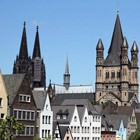
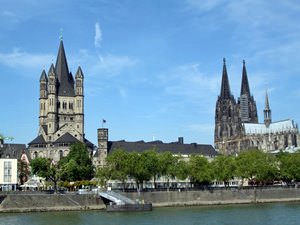 Cologne is a city with long and interesting history. It was founded by the Romans. First mentions about Cologne date back to 50 B.C. In the Middle Ages the population of this oldest city in Germany was already about 40000 people. In Cologne people searched university education, free trade and well-educated citizen to talk to; all these factors helped the city to enter the list of the richest and most powerful European cities of that time. During the Second World War almost 90% of the central part of Cologne was destroyed, and 72% of its territory was bombed. When the war was finished, a few historical places, which remained after bombing, were tediously restored. Their reconstruction was a true success. Most of the historical places have been rebuilt, and they make the city very attractive and fascinating.
Cycling around the city is very popular among travellers. Rent-A-Bike is considered the most famous bike rental service. Here you are allowed to rent a bike starting from a few hours till …  Open
Open
Open
1. Tourists are recommended to purchase WelcomeCard, which gives you the right to get reduced fares in public transport. In addition to this, owners of the card receive a discount when … Open
Open
 The Museum of Chocolate. The Museum of Chocolate is located in a big house on the peninsula. The official name of the museum is Imhoff-Schokoladen-Museum. This is the place where visitors can learn about the whole 3000 year long history of chocolate. The museum was opened in 1993, and at that time it was the 1st museum of chocolate. In the end of every excursion visitors are welcome to try the main exhibit of the museum simply by dipping a waffle into a chocolate fountain. Tourists should remember one thing - the museum is closed on Mondays.
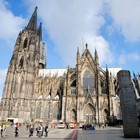
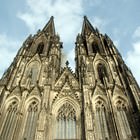
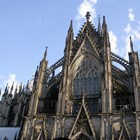
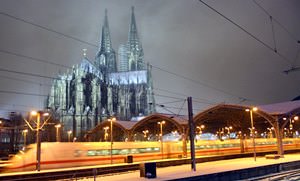
Without a doubt, Cologne Cathedral (Kölner Dom) remains one of the most popular and frequently visited landmarks in the city, and so every day thousands of visitors come to see the … Open
Open
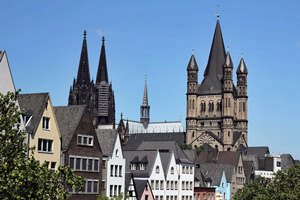 Louis Museum. Louis Museum is a great place to get acquainted with modern German art. The museum is situated behind Cologne Cathedral in the centre of the city. The museum exhibits works of different times, starting from the previous century till the present day. The section dedicated to American pop-art is the most famous one. It features the largest collection of works in this style outside the US. It contains works by Andy Warhol, Jasper Johns and Roy Fox Lichtenstein. There are also numerous works by Picasso.
Im Wasserturm is an old water tower that attracted the attention of French architect Andree Putman and she put her creative vision into this project. The unusual architecture of the tower, … Open
Open

This guide to iconic landmarks and sights of Cologne is protected by the copyright law. You can re-publish this content with mandatory attribution: direct and active hyperlink to www.orangesmile.com.
City tours, excursions and tickets in Cologne and surroundings
Reference information
Map of all shopping areas

Shopping streets in Cologne
♥ Shopping area ' Hohe Straße' Cologne, 0.4 km from the center. On the map
 Photo
Photo

♥ Shopping area ' Schildergasse' Cologne, 0.6 km from the center. On the map
Photo
Map of all castles
Survived castles around Cologne
♥ Castle 'Augustusburg and Falkenlust Palaces' , 13 km from the center. On the map
Photo
♥ Castle 'Schloss Burg near Solingen' , 25.8 km from the center. On the map
Photo
♥ Castle 'Palais Schaumburg' , 26.9 km from the center. On the map
Photo
♥ Castle 'Ehreshoven Castle' , 27.2 km from the center. On the map
Photo
♥ Castle 'Godesburg Festung' , 31.4 km from the center. On the map
Photo
Map of all parks
National and city parks around Cologne
♥ National Park 'De Meinweg' , 65.6 km from the center. On the map
Photo
♥ National Park 'De Groote Peel' , 91.3 km from the center. On the map
Photo
♥ National Park 'De Maasduinen' , 93.2 km from the center. On the map
Photo
♥ National Park 'Eifel' , 111.7 km from the center. On the map
Photo
♥ National Park 'Veluwezoom' , 139.3 km from the center. On the map
Photo
Map of all art museums
Art galleries in Cologne and around
♥ Art museum 'Romano-Germanic Museum' Cologne, 0.1 km from the center. On the map
Photo
♥ Art museum 'Museum Ludwig' Cologne, 0.2 km from the center. On the map
Photo
♥ Art museum 'Museum für Angewandte Kunst (Cologne)' Cologne, 0.2 km from the center. On the map
Photo
♥ Art museum 'Wallraf-Richartz Museum' Cologne, 0.4 km from the center. On the map
Photo
♥ Art museum 'Schnütgen Museum' Cologne, 0.8 km from the center. On the map
Photo
Sights around Cologne from our guide 'Extreme places on Earth'
Aachen Cathedral
From the series “Top 15 Unesco Sites in Europe”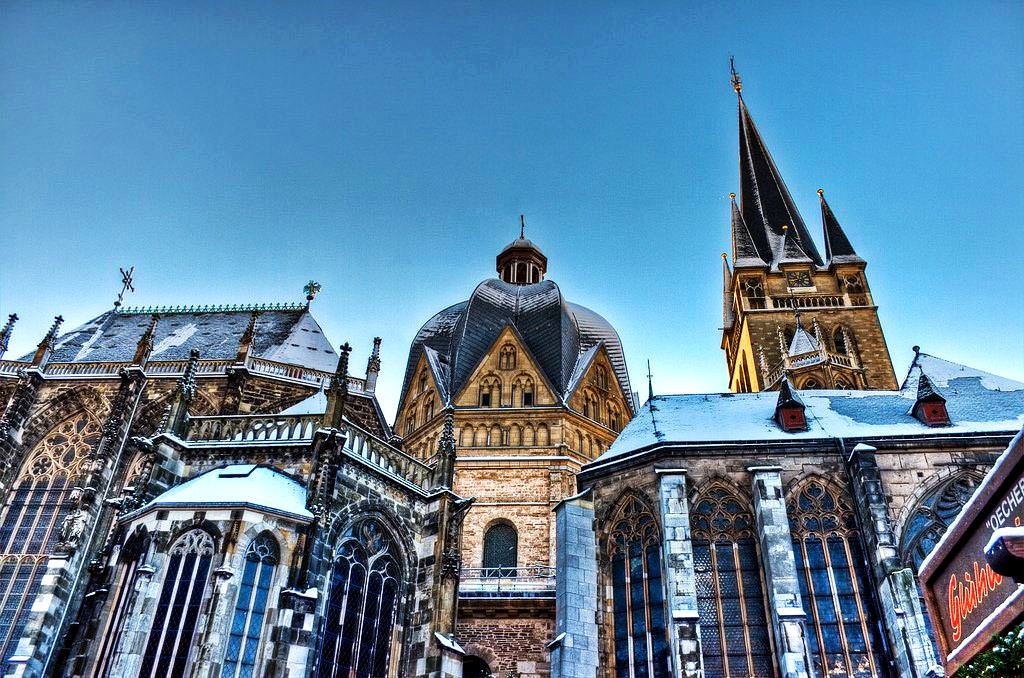
Check on the map: Distance from Cologne center - 64 km.
A lot of amazing legends relate to the cathedral. According to one of them, the money for the construction was donated by the Devil himself. In exchange, he wanted to take the soul of the first creature who will come to the finished cathedral. Local residents managed to outwit the devil. When the cathedral was completed, they let a wolf come first. A number of outstanding historical events are associated with the place. Here, 35 kings and 14 queens of the German Empire were enthroned. Today, the Aachen Cathedral is as majestic as hundreds of years ago. Once inside, it’s impossible to look away from artistic colorful stained-glass windows, marble walls and ceilings, incredible painting, and other items of decor. …
Read further Distance from Cologne center - 64 km.
Zeche Zollverein
From the series “The Scariest Mines in the World”
Check on the map: Distance from Cologne center - 61.4 km.
After admiring priceless artifacts in museums, it’s worth to have a stroll through the deserted underground; just the simple descent via worn metal ladders makes adrenaline go rushing. Many mysterious stories are associated with Zeche Zollverein mines, as many industrialists have faced there with phenomenon of abnormal knocks. Tourists who visit these places often hear unexplained sounds. They are so distinct and realistic, that it seems that there is still active work in some areas of mines. …
Read further Distance from Cologne center - 61.4 km.
Crouching Tiger and Turtle
From the series “Furious Footways Around the World That Make You Dizzy”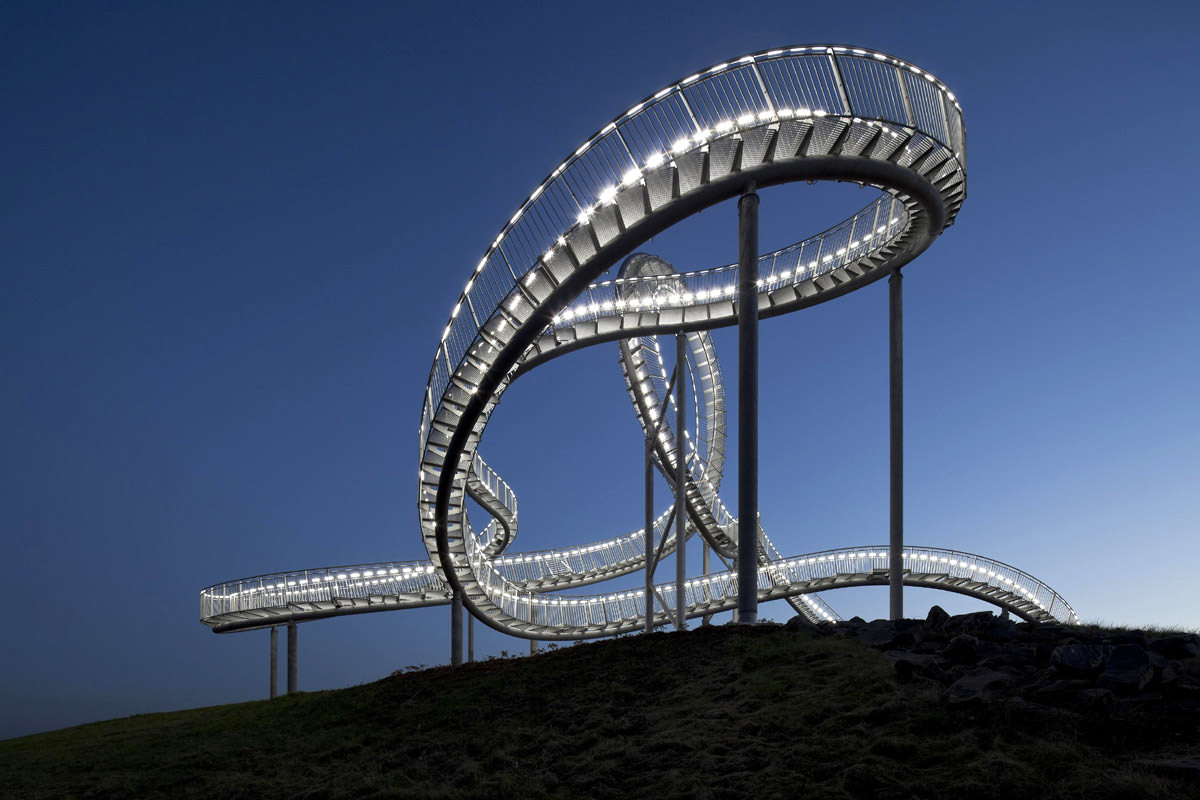
Check on the map: Distance from Cologne center - 50.7 km.
The length of the staircase is 220 meters. It is open day and night. Admission is free. The original attraction in Duisburg was opened in 2011 and became instantly known worldwide and popular with lovers of unusual entertainments. 'Tiger and Turtle' staircase is located in the picturesque Angerpark. One of the most important secrets of the ladder is the traditional roller coaster dead loop, which is much easier to pass through than it might seem at first glance. …
Read further Distance from Cologne center - 50.7 km.
Car rental on OrangeSmile.com
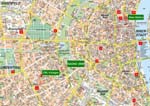
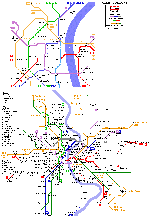
Search touristic sites on the map of Cologne
 All about Cologne, Germany - sightseeings, attractions, touristic spots, architecture, history, culture and cuisine. Prepare your trip together with OrangeSmile.com - find out the 'must see' things in Cologne, which places to visit, which excursions to take, where the breathtaking views are waiting for you. Planning your trip with this travel guide will help your to get the most out of Cologne in few days.