
 English
 Russian
 Dutch
Dutch German
 Spanish
 French
 Türkçe


Colors of Pamplona - traditions, festivals, mentality and lifestyle
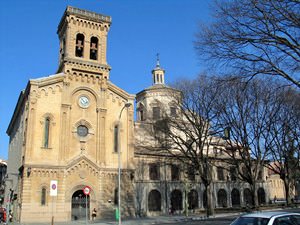 Travelers planning a visit to Pamplona in the middle of July will have a chance to witness a holiday of ultimate beauty being the San Fermines festival. Each year the festival starts on July, 6 and lasts for 9 days. For this period the city of Pamplona turns into a huge bullfight arena. The city is filled with buzzing and vivacious atmosphere. This bright ethnic fest was described in the novel “Fiesta” by Ernest Hemingway. The writer first visited the event in 1923.
Then the young writer worked for a popular Canadian weekly newspaper and visited the city of Pamplona on business. It can be said without prejudice that it was his novel which rocketed the festival to fame. About 90% of foreign guests visiting the festival proved that fact. A hundred years ago the festival featured unique rules. Many traditions have been preserved till nowadays and have been embodied in the modern format of the fest.
Pamplona is an ancient Spanish town with interesting history. This place retains numerous notable and iconic monuments. For convention the town is divided into an Old and New one. The old …  Open
Open
Open
 The costume consists of white clothing added with bright red accessories. Every clothing boutique and street concession stands offer a vast choice of bright white shirts and trousers as well as bright red belts and kerchiefs within the holiday. The festival presents the brightest performances of the best matadors of the country that is why a visit to the bullfighting show will turn to an exciting adventure for every tourist. Among other events held within the festival tourists will see different concerts, dance shows, competitions, master classes and contests. At nightfall the city is illuminated with bright pyrotechnic shows. Astonishing concerts are held in the open air. The festival ends at midnight on July, 14 when the local folks gather again on the square at the city hall building and sing loath to depart.
This guide to traditions and festivals in Pamplona is protected by the copyright law. You can re-publish this content with mandatory attribution: direct and active hyperlink to www.orangesmile.com.
City tours, excursions and tickets in Pamplona and surroundings
Reference information
Map of all churches

Cathedrals and basilicas near Pamplona
♥ Catedral de la Asunción de Nuestra Señora, Pamplona, 0.3 km from the center. On the map
 Photo
Photo

♥ Catedral de El Buen Pastor, San Sebastián, 62 km from the center. On the map
Photo
♥ Cathédrale Notre-Dame, Bayonne, 76.1 km from the center. On the map
Photo
Map of all castles
Survived castles around Pamplona
♥ Castle 'Castle of Garaño' Navarre, 15 km from the center. On the map
Photo
♥ Castle 'Cerco de Artajona' Navarre, 27 km from the center. On the map
Photo
♥ Castle 'Palace of the Kings of Navarre of Olite' Navarre, 37.3 km from the center. On the map
Photo
♥ Castle 'Castle of Xabier' Navarre, 42.8 km from the center. On the map
Photo
♥ Castle 'Fort of San Marcos' Gipuzkoa, 57.8 km from the center. On the map
Photo
♥ Castle 'Castle of Charles V' Gipuzkoa, 62 km from the center. On the map
Photo
♥ Castle 'Tower Zumeltzegi' Gipuzkoa, 62.8 km from the center. On the map
Photo
National traditions of Spain
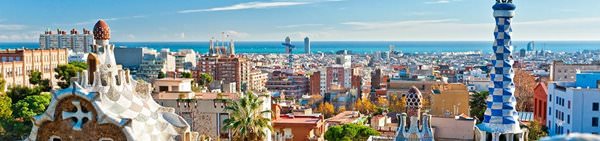 Spaniards are very friendly and sociable, they like to talk and start a dialogue practically at every opportunity. Spain can definitely be called a country of happy people. It’s uncommon to meet someone with a tired, sour face. Even waiters in restaurants enjoy their work. You can often meet a waiter dancing or singing while taking order. Travelers quickly dive into the general atmosphere of fun and relaxation. In Spain, the institution of the family is venerated. It is customary to live together with parents. The family actively participates in the life of relatives. Elderly people are not sent to rest homes; on the contrary, they are treated with the special honor and attention, taken care of and helped in everything.
… Open
Spaniards are very friendly and sociable, they like to talk and start a dialogue practically at every opportunity. Spain can definitely be called a country of happy people. It’s uncommon to meet someone with a tired, sour face. Even waiters in restaurants enjoy their work. You can often meet a waiter dancing or singing while taking order. Travelers quickly dive into the general atmosphere of fun and relaxation. In Spain, the institution of the family is venerated. It is customary to live together with parents. The family actively participates in the life of relatives. Elderly people are not sent to rest homes; on the contrary, they are treated with the special honor and attention, taken care of and helped in everything.
… Open

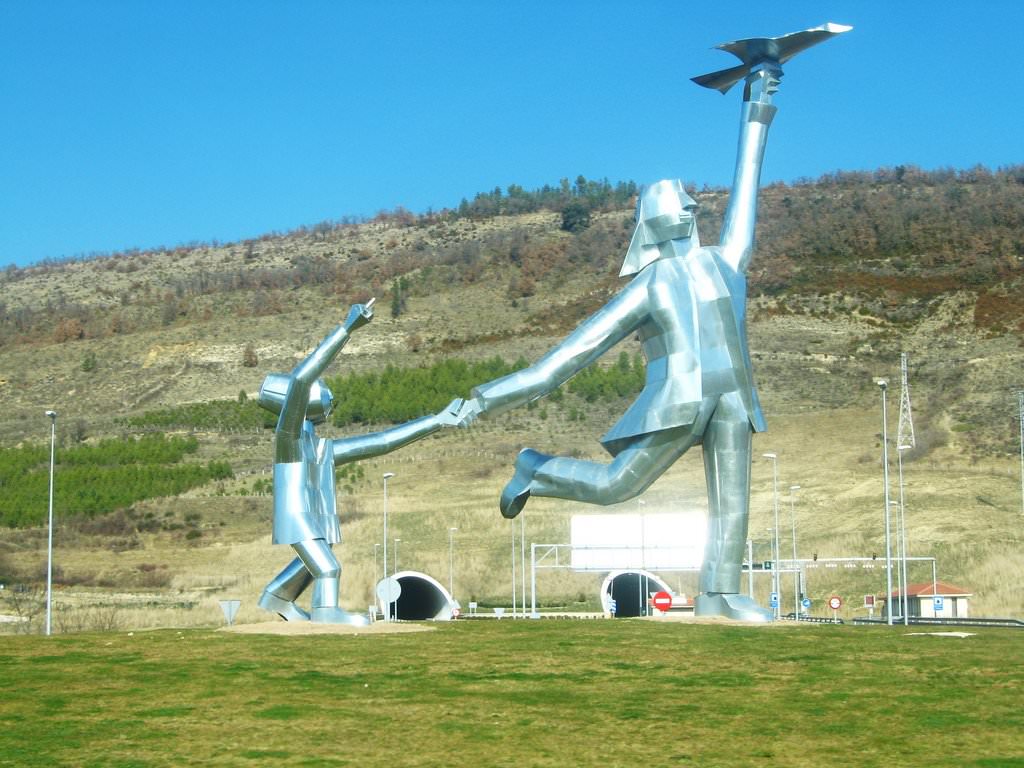
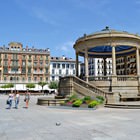
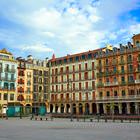
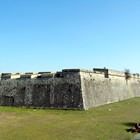
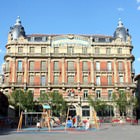
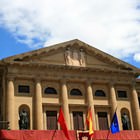
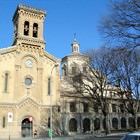
Colors of Pamplona in photos

Search for popular touristic sites on Pamplona map
 Cityguide on traditions, mentality and lifestyle of people in Pamplona. Learn the best periods to visit Pamplona to discover its soul - authentic festivals, events and celebrations. We will also reveal the interesting habits, attitude towards the world and to tourists in Pamplona.