
 English
 Russian
 Dutch
Dutch German
 Spanish
 French
 Türkçe


Culture of Ciovo Island. Places to visit - old town, temples, theaters, museums and palaces
 The central attraction of Ciovo is the notorious city of Trogir. It was founded in the 3rd century BC by the colonists from Syracuse. The settlement has now grown to a fairly large size and has long gone beyond the tiny island between the coast of mainland Croatia and Ciovo. You can get to the central, historically valuable part of Trogir by crossing the bridge over the canal that separates the old quarters from the newer ones. Just a few tens of meters across a wide bridge on foot or by car and you are already in an area recognized as part of the UNESCO World Heritage.
Ciovo cuisine is typically Mediterranean. Fresh vegetables, fish and seafood, olive oil and, of course, wines. Remember that most of the local dishes reveal in a completely fantastic way …  Open
Open
Open
The Croats surprisingly combine a truly Mediterranean love for leisure and all sorts of life pleasures, common European politeness, and the Italian desire for a certain theatricality. The … Open
Open
 You can see the exposition of the museum of religious art. There are paintings by prominent Serbian artists here, and the objects for liturgy and worship, and even a 14th-century crucifix, which once crowned the triumphal arch on one of the island’s chapels. For those who like art and history, the Dominican monastery of the Holy Cross will also be fascinating. It is located 5 kilometers from Trogir and was built in the 15th century. The Church and Monastery of the Blessed Virgin Mary in Prizidnice, the southern part of Ciovo, is also interesting. The latter, by the way, is also an object of the religious pilgrimage. The remains of the early medieval Church of Saint Fumia can only be reached by boat, as the ruins are located on a small island north-west of Ciovo. This place is also worth visiting.
City tours, excursions and tickets in Ciovo Island and surroundings
This guide to cultural sights Ciovo Island is protected by the copyright law. You can re-publish this content with mandatory attribution: direct and active hyperlink to www.orangesmile.com.
Reference information
Map of all palaces

Public palaces near Ciovo Island
♥ Palace 'Diocletian’s Palace' , 15.6 km from the center. On the map
 Photo
Photo

Map of all art museums
Art galleries in Ciovo Island and around
♥ Art museum 'Ivan Meštrović Gallery' Split, 13.8 km from the center. On the map
Photo
♥ Art museum 'Gallery of Fine Arts' Split, 15.6 km from the center. On the map
Photo
Map of all churches
Cathedrals and basilicas near Ciovo Island
♥ Konkatedrala sv. Petar Apostola, Split, 16.9 km from the center. On the map
Photo
♥ Nacionalno svetište sv. Nikole Tavelića, Šibenik, 38.3 km from the center. On the map
Photo
♥ Katedrala sv. Jakova, Šibenik, 38.6 km from the center. On the map
Photo
♥ Crkva sv. Stjepana, Stari Grad, 45.6 km from the center. On the map
Photo
♥ Crkva sv. Antun, Knin, 59.8 km from the center. On the map
Photo
Iconic cultural sights of Croatia
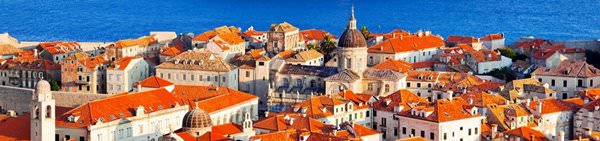 A lot of discoveries await at the Istrian peninsula, which is one of the most popular resorts. A huge number of monuments of architecture is located in the largest city of the peninsula, Pula. The city was founded by ancient Romans. An amphitheater that was built 2 thousand years ago, has perfectly survived there. It still hosts major events and concerts. In Porec, it is worth to visit the Euphrasian basilica, built in the 6th century, and the ancient Roman temple of Neptune. Otherwise, tourists may just stroll through the streets of the downtown. The old part of Rovinj that is rich in monuments of Romanesque style, is worth a look too. The city museum is set in a beautiful building in the Baroque style. An amazing exhibition is represented at the premises of the Franciscan Monastery. One of the most recognizable cities in Croatia is Dubrovnik, which is known for the old part of the city located on the steep shore of the Adriatic Sea. The central part for walks is Stradun Street, which is lined with limestone. There are numerous shops and sights on it. It is worth to visit the Princely Palace, built in the 15th century. The mansion is designed in a mixed Gothic and Renaissance style; the building has very impressive bas-reliefs. Another monumental structure of the old part of Dubrovnik is the Franciscan monastery of the 14th century, which has a rich courtyard. Next to it, there is the Great Fountain of Onofrio, which was a part of the water supply in the old city. Dubrovnik has numerous amazing museums. One of them is Rupe Ethnographic Museum, located in the building of a huge granary.
… Open
A lot of discoveries await at the Istrian peninsula, which is one of the most popular resorts. A huge number of monuments of architecture is located in the largest city of the peninsula, Pula. The city was founded by ancient Romans. An amphitheater that was built 2 thousand years ago, has perfectly survived there. It still hosts major events and concerts. In Porec, it is worth to visit the Euphrasian basilica, built in the 6th century, and the ancient Roman temple of Neptune. Otherwise, tourists may just stroll through the streets of the downtown. The old part of Rovinj that is rich in monuments of Romanesque style, is worth a look too. The city museum is set in a beautiful building in the Baroque style. An amazing exhibition is represented at the premises of the Franciscan Monastery. One of the most recognizable cities in Croatia is Dubrovnik, which is known for the old part of the city located on the steep shore of the Adriatic Sea. The central part for walks is Stradun Street, which is lined with limestone. There are numerous shops and sights on it. It is worth to visit the Princely Palace, built in the 15th century. The mansion is designed in a mixed Gothic and Renaissance style; the building has very impressive bas-reliefs. Another monumental structure of the old part of Dubrovnik is the Franciscan monastery of the 14th century, which has a rich courtyard. Next to it, there is the Great Fountain of Onofrio, which was a part of the water supply in the old city. Dubrovnik has numerous amazing museums. One of them is Rupe Ethnographic Museum, located in the building of a huge granary.
… Open

Photogallery of cultural heritage of Ciovo Island
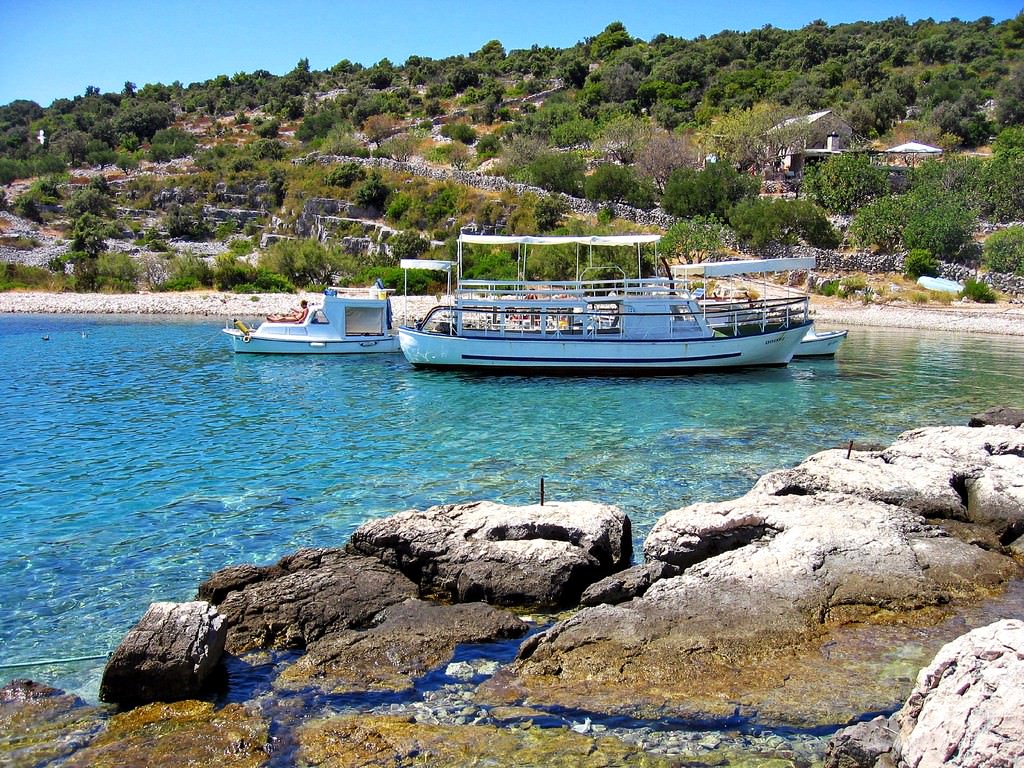

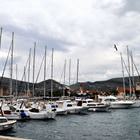
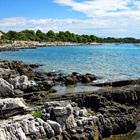


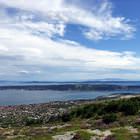
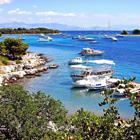

Landmarks of culture on Ciovo Island map: art-galleries, monuments, palaces, etc
 Culture guide to Ciovo Island. Which fascinating sights to visit once you are in Ciovo Island: temples, churches, museums, theaters and castles. Recommendations (with addresses, phone numbers and links) on the places 'must visit' in Ciovo Island. Plan your own city excursion by using this page info!