
 English
 Russian
 Dutch
Dutch German
 Spanish
 French
 Türkçe


Culture of Murter. Places to visit - old town, temples, theaters, museums and palaces
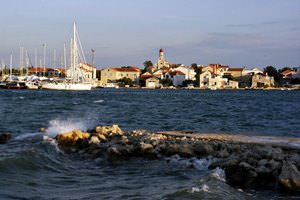 Murter Island first appeared on the pages of history in the 14th century. It was firstly mentioned in the written sources at those times. However, scientists are convinced that people lived here long before this date. The evidence was found near Gradina hill. The ruins of an ancient Roman settlement Colentum are located here. Presumably, the city was captured and destroyed by pirates in the 2nd century AD and the survivors did not want to restore their homes, they just left the land. Despite the venerable age, the Colentum can tell a lot about the life of the ancient Romans here.
One of the attractive features of Murter is a great choice of hotels. Each of them is characterized by hospitable atmosphere and unique national peculiarities. The most popular place on the …  Open
Open
Open
During your holidays on Murter, be sure to buy Morcic jewellery. In the Middle Ages, Morcic jewellery was made of burnt to black wood and it was given as a gift for sailors for luck. People … Open
Open
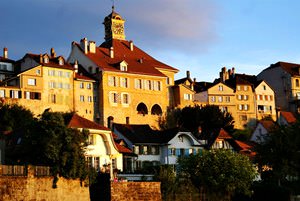 Betina is another old settlement on the island. It was first mentioned in 1423, but people lived here long ago. These lands were inhabited by Illyrians. Later, noble Romans settled here. Many finds of the ruins of villas and household items confirm these facts. However, there are more recent and well-preserved monuments. For example, the Church of St. Francis of Assisi in the Baroque style or the parish Church of St. Frane which construction dates back to the 16th century. The shipyard and the Marina have been operating for almost three centuries.
Murter island in Croatia is part of the Sibenik archipelago. It began to attract travellers' attention many hundreds of years ago. The island is a place of interest to contemporary tourists, … Open
Open

City tours, excursions and tickets in Murter and surroundings
This guide to cultural sights Murter is protected by the copyright law. You can re-publish this content with mandatory attribution: direct and active hyperlink to www.orangesmile.com.
Reference information
Map of all churches

Cathedrals and basilicas near Murter
♥ Katedrala sv. Stošije (Anastazije), Zadar, 48.3 km from the center. On the map
 Photo
Photo

♥ Crkva sv. Antun, Knin, 51.5 km from the center. On the map
Photo
♥ Katedrala sv. Lovre, Trogir, 58.4 km from the center. On the map
Photo
♥ Katedrala sv. Anselma, Nin, 61 km from the center. On the map
Photo
Iconic cultural sights of Croatia
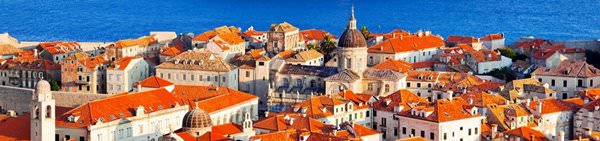 A lot of discoveries await at the Istrian peninsula, which is one of the most popular resorts. A huge number of monuments of architecture is located in the largest city of the peninsula, Pula. The city was founded by ancient Romans. An amphitheater that was built 2 thousand years ago, has perfectly survived there. It still hosts major events and concerts. In Porec, it is worth to visit the Euphrasian basilica, built in the 6th century, and the ancient Roman temple of Neptune. Otherwise, tourists may just stroll through the streets of the downtown. The old part of Rovinj that is rich in monuments of Romanesque style, is worth a look too. The city museum is set in a beautiful building in the Baroque style. An amazing exhibition is represented at the premises of the Franciscan Monastery. One of the most recognizable cities in Croatia is Dubrovnik, which is known for the old part of the city located on the steep shore of the Adriatic Sea. The central part for walks is Stradun Street, which is lined with limestone. There are numerous shops and sights on it. It is worth to visit the Princely Palace, built in the 15th century. The mansion is designed in a mixed Gothic and Renaissance style; the building has very impressive bas-reliefs. Another monumental structure of the old part of Dubrovnik is the Franciscan monastery of the 14th century, which has a rich courtyard. Next to it, there is the Great Fountain of Onofrio, which was a part of the water supply in the old city. Dubrovnik has numerous amazing museums. One of them is Rupe Ethnographic Museum, located in the building of a huge granary.
… Open
A lot of discoveries await at the Istrian peninsula, which is one of the most popular resorts. A huge number of monuments of architecture is located in the largest city of the peninsula, Pula. The city was founded by ancient Romans. An amphitheater that was built 2 thousand years ago, has perfectly survived there. It still hosts major events and concerts. In Porec, it is worth to visit the Euphrasian basilica, built in the 6th century, and the ancient Roman temple of Neptune. Otherwise, tourists may just stroll through the streets of the downtown. The old part of Rovinj that is rich in monuments of Romanesque style, is worth a look too. The city museum is set in a beautiful building in the Baroque style. An amazing exhibition is represented at the premises of the Franciscan Monastery. One of the most recognizable cities in Croatia is Dubrovnik, which is known for the old part of the city located on the steep shore of the Adriatic Sea. The central part for walks is Stradun Street, which is lined with limestone. There are numerous shops and sights on it. It is worth to visit the Princely Palace, built in the 15th century. The mansion is designed in a mixed Gothic and Renaissance style; the building has very impressive bas-reliefs. Another monumental structure of the old part of Dubrovnik is the Franciscan monastery of the 14th century, which has a rich courtyard. Next to it, there is the Great Fountain of Onofrio, which was a part of the water supply in the old city. Dubrovnik has numerous amazing museums. One of them is Rupe Ethnographic Museum, located in the building of a huge granary.
… Open

Photogallery of cultural heritage of Murter
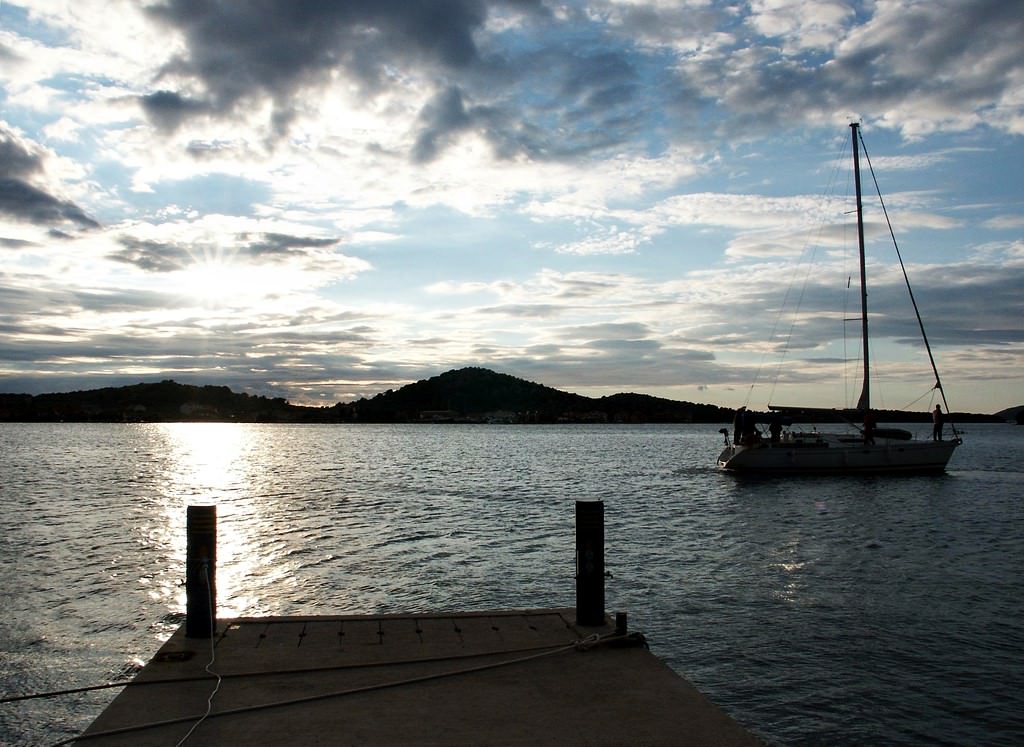

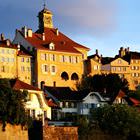
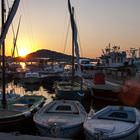
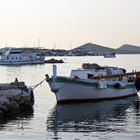
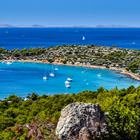
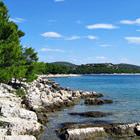
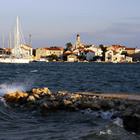
Landmarks of culture on Murter map: art-galleries, monuments, palaces, etc
 Culture guide to Murter. Which fascinating sights to visit once you are in Murter: temples, churches, museums, theaters and castles. Recommendations (with addresses, phone numbers and links) on the places 'must visit' in Murter. Plan your own city excursion by using this page info!