




Sightseeing in Porto - what to see. Complete travel guide
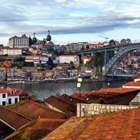
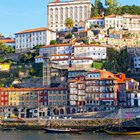
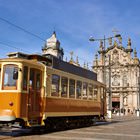
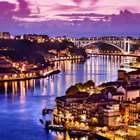
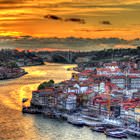
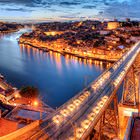
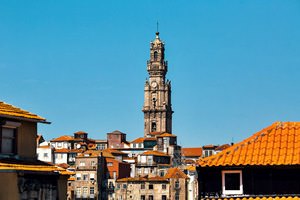 During the reign of Romans, Porto was known as Portus Cale and it was the most important city in the country. Later, the city gave the name to the whole country. Porto is located on both banks of the Douro River. The banks are connected by a beautiful bridge. The historic center of the city is characterized by a very special and lively atmosphere. Of course, almost every café or tavern here offers to taste the famous port wine. Porto has always been known primarily as a working city, but in recent years it has rapidly turned to a popular cultural center.
One of the most stylish designer hotels in Porto, Hotel Teatro is a quintessence of unusual and brave solutions. The hotel will impress its guests directly from the entrance – the doors to …  Open
Open
Open
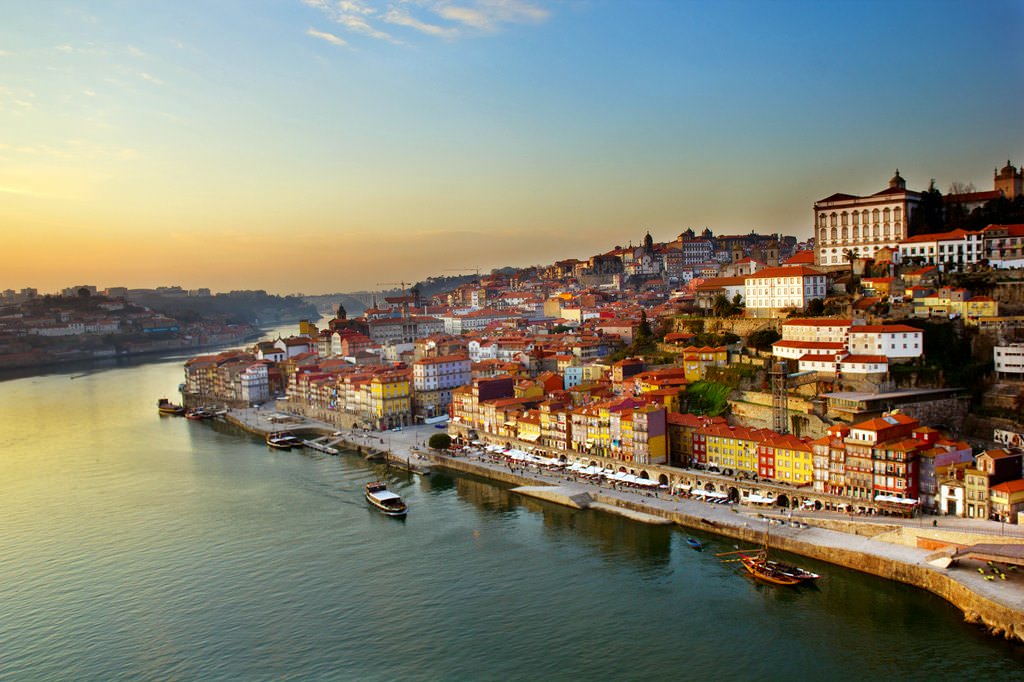
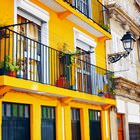
During the reign of Romans a large city wall was built around Porto. In the XIV century, another wall was added. It was built around the cathedral. Nowadays, this double wall is partially destroyed, but in some parts of the city the wall is still well-preserved. The old quarter of Ribeira, located on the north bank of the Douro, is one of these places. This district is full of small steep streets with old houses painted in pastel colors, narrow and dark alleys, small inner yards and coffee terraces. Many people still live here, so Ribeira quarter today is more like a museum of Portuguese culture in the open air. The facades of many houses in the quarter are decorated with colorful azulejo tiles. Even signs with the names of streets are made from these beautiful tiles.
Praca da Ribeira
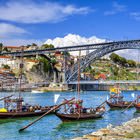
 is the heart of the quarter. This is a small cozy square with a work of contemporary art in the center – the square is decorated with a cube (O Cubo) by Jose Rodriguez. Despite the chaotic intersection of streets, it’s almost impossible to get lost in Ribeira district – if you go down, you will surely come out to the banks of the de Cais da Ribeira River, where you will find many bars, cafes, restaurants and souvenir shops. There are also small old ships (barcos rabelos) moored to the embankment. Previously, these ships were used as a transport – they brought port from remote villages to the city. Today, they are used for excursion purposes and offer tourist rides along the river. Football fans should definitely not forget to visit the Chez Lapin restaurant that is a permanent meeting place for fans of FC Porto. In the evening, the embankment of the Douro River is filled with fans of night entertainment. Copyright www.orangesmile.com
Fans of luxury will be happy to find many elite hotels in Porto, and each of them surely has an exclusive room that would fit even the most discerning guests. The high class InterContinental … Open
Open
Se Cathedral
was built in the XII-XIII centuries in the Romanesque style. However, with time, the design of the cathedral got some baroque elements. The cathedral was rebuilt from an old fortress located on Penha Ventosa hill. You can still see this clearly in some elements of the cathedral, especially in its crenellated walls. Such a design of the church was made on purpose – at that time it was important to protect the church from Muslims. The south of Portugal was ruled by the Moors, who were the followers of Islam. The cathedral was under construction until the XIX century. This is the reason why the cathedral complex is an intriguing collection of different architectural styles. For example, the funeral chapel of Joao Gordo is made in the Gothic style. The beautiful tombstone is supported by four lions are decorated with images of apostles.
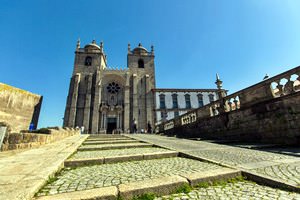 Step inside the cathedral, and you will see a marble altar with wooden columns covered with gold. The Chapel of the Blessed Sacrament is the place where visitors will see a silver beautifully decorated icon. Because of the shine of numerous jewels the icon seems to be moving. Beautiful murals also deserve your closets attention. The majority of precious items are collected in the treasury of the cathedral (Tesouro da Se). In addition to ornaments and other decorations of the XIV-XVIII centuries, the treasury is the place where you will find items made of silver and old books. There is a gothic monastery of the XIV century near the cathedral. Its corridor is decorated with glazed tiles laid in the XVIII century. The tiles depict stories from life of Mary and the scenes from "the Metamorphoses" by the Roman poet Ovid. The square in front of the cathedral is the location of the pillory (pelourinho) with a crown on the top.
Without a doubt, Pousada Do Porto - Palacio Do Freixo is the most eye-catching historic hotel in Porto. It is open in a magnificent palace that dates back to the 18th century. The look of … Open
Open
Just like the cathedral, the Franciscan Church of San Francisco (Igreja de Sao Fransisco)
is an amazing combination of different architectural styles. Originally, this was a gothic church, and you can see that by the rare of the building. However, eventually some elements of the Baroque style appeared in its design. The church was built in the XIV-XV centuries. In the XVI century a baptismal chapel was added to it. The chapel was designed by architect Diego de Castillo. The altar of the chapel is decorated with icons representing scenes from Epiphany.
 The church is mostly known for its wood carving in the baroque style. You will see it everywhere – beautiful cherubs, saints, animals, and flowers can be seen on the ceiling, in the naves, along the windows and columns. Because of such a large number of carvings, that are often glided, it is hard to pay attention to the building itself. This frivolous decor (talhas douradas) was in such a contrast to austerity preached by the Franciscans that the local clergy decided to stop using the church as a place for prayers! The left aisle of the church is the location of the genealogical tree of Jesus Christ.
Porto is full of places perfect for a romantic break away. Many couples prefer to stay at the high class Pestana Porto Hotel & World Heritage Site. This hotel is open in an incredibly … Open
Open
Porto is famous throughout the world, primarily as home of the well-known port wine. There are more than 40 wineries in the city. They produce port wine – the real pride of local residents. The majority of manufactures are located in the district that is opposite to Ribeira district. It is located on the other bank of the Douro River. If you make an excursion there, for example, to the cellar of one of the most famous firms that make port, Calem, you will learn a lot about the history and the process of making port. Of course, all visitors will be taken for a walk along huge wooden barrels, some of which can hold up to 60,000 liters of wine. The excursion, which lasts approximately 20 minutes, will be completed with its best part - wine tasting!

This guide to iconic landmarks and sights of Porto is protected by the copyright law. You can re-publish this content with mandatory attribution: direct and active hyperlink to www.orangesmile.com.
City tours, excursions and tickets in Porto and surroundings
Reference information
Map of all shopping areas

Shopping streets in Porto
♥ Shopping area ' Rua de Santa Catarina' Porto, 1.1 km from the center. On the map
Photo

Map of all castles
Survived castles around Porto
♥ Castle 'Castle of Santa Maria da Feira' , 26.2 km from the center. On the map
Photo
♥ Castle 'Castle of Guimarães' , 42.9 km from the center. On the map
Photo
♥ Castle 'Dona Chica Castle' , 51.3 km from the center. On the map
Photo
♥ Castle 'Castle of Tebra' , 99.1 km from the center. On the map
Photo
♥ Castle 'Castle of Montalegre' , 101.9 km from the center. On the map
Photo
Map of all parks
National and city parks around Porto
♥ Nature Park 'Litoral Norte' , 44.2 km from the center. On the map
Photo
♥ Nature Park 'Alvão' , 71 km from the center. On the map
Photo
♥ National Park 'Peneda-Gerês' , 82.7 km from the center. On the map
Photo
♥ Natural Park 'Monte Aloia' , 103.1 km from the center. On the map
Photo
♥ Nature Park 'Serra da Estrela' , 125.9 km from the center. On the map
Photo
Map of all art museums
Art galleries in Porto and around
♥ Art museum 'Serralves' Porto, 3.5 km from the center. On the map
Photo
Sights around Porto from our guide 'Extreme places on Earth'
Soaring Umbrellas Street
From the series “Top 13 Most Fantastic and Colorful Streets and Quarters”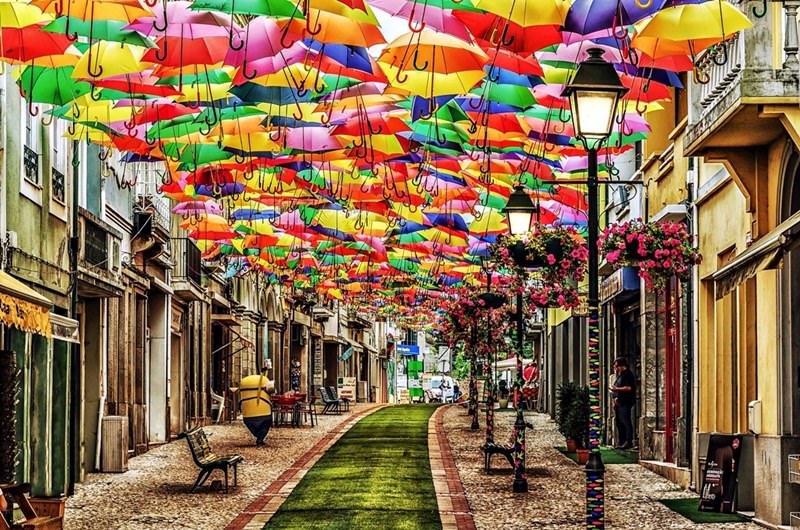
Check on the map: Distance from Porto center - 65.5 km.
For the first time, the street was decorated with umbrellas during one of the city's festivals. An installation pleased locals and visitors of the city so much, that they decided to make it an annual tradition. Those who want to walk along one of the most exciting streets in the world, have to visit the Portuguese town in July. That's the time when the annual city festival takes place. In mid-summer, a lot of great cultural events are held in the city in terms of the festival. …
Read further Distance from Porto center - 65.5 km.
Stone House
From the series “The Most Bizarre and Fancy Living Houses”
Check on the map: Distance from Porto center - 49.9 km.
It must be noted that the house also has the comfortable adjoining territory. In the so-called inner courtyard is the beautiful recreation zone equipped with the swimming pool. The house is surrounded by beautiful plant and flower compositions. Remarkable that the exact history of house construction is unknown. According to one of the versions, it is the project of a promising designer who wanted to remain anonymous. According to another version, the construction of the house in the stone was a natural pursuit to save on the building materials. …
Read further Distance from Porto center - 49.9 km.
Car rental on OrangeSmile.com

Saudi Arabia to Open 38 Hotels in Diriyah
Diriyah is one of the first mega projects in Saudi Arabia. Hotels and other infrastructure will start opening next year, and all works are expected to end in 2026. The first 18 restaurants in Bujairi Terrace will start operating already in early 2022. Read this
27.04.2024
Diriyah is one of the first mega projects in Saudi Arabia. Hotels and other infrastructure will start opening next year, and all works are expected to end in 2026. The first 18 restaurants in Bujairi Terrace will start operating already in early 2022.
 Read this
27.04.2024
Search touristic sites on the map of Porto
 All about Porto, Portugal - sightseeings, attractions, touristic spots, architecture, history, culture and cuisine. Prepare your trip together with OrangeSmile.com - find out the 'must see' things in Porto, which places to visit, which excursions to take, where the breathtaking views are waiting for you. Planning your trip with this travel guide will help your to get the most out of Porto in few days.