




Sightseeing in Dubrovnik - what to see. Complete travel guide
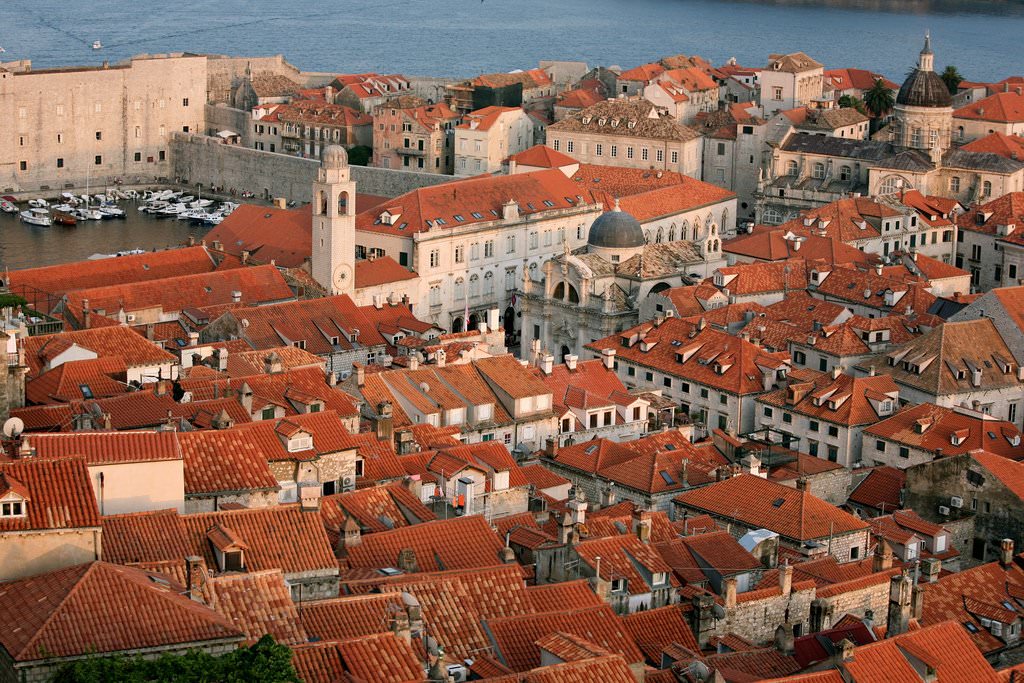
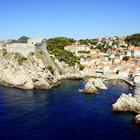
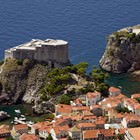
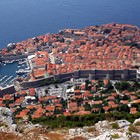
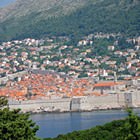
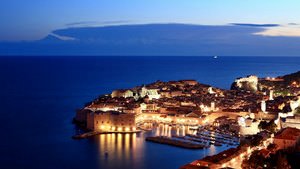 Dubrovnik is a pearl of the Adriatic Sea. The city is famous for its amazingly beautiful nature and the Mediterranean atmosphere. Dubrovnik Riviera is located in the south of the Dalmatia region. Tempting sea, small picturesque places with beautiful houses with terracotta roofs, green islands located along the coast – you will see all these and more, if you arrive in Dubrovnik.
Dubrovnik offers to its guests numerous exciting entertainments. On the territory of the city you will find various sports facilities and entertainment complexes. Tennis courts, golf fields, …  Open
Open
Open
1. Burbon street is the best place for evening walks and night time entertainments. Best bars and restaurants are also located here. They differ not only by an excellent level of service … Open
Open
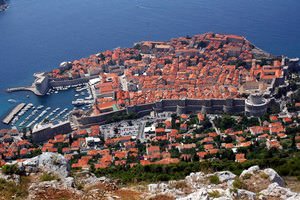
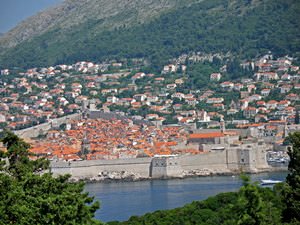 Loza Square. The central square of Dubrovnik is called Loza Square. This is a traditional place for various meetings. There is also Dubrovnik port nearby, from which tourists can enjoy wonderful boat rides. Fans of lazy beach relaxation will find there wonderful nature beaches and pure sea water.
Dubrovnik is the most popular resort city in Croatia, and many travelers can only dream of a peaceful stay away from crowded places. In order to enjoy panoramic views of Dubrovnik, one … Open
Open
 The Onofrio Fountain. Big Onofrio Fountain is located in a small square to the right from the Pile Gate. It was built in 1438 by Neapolitan architect Onofrio de la Kavi, who also projected the city’s water system. The fountain is one of the most well-known monuments in the city. Originally, it was decorated with a sculpture. However, later the sculpture was ruined during the earthquake of 1667. Only 16 stone masks have left since that time. The water runs out of the masks.
The unusual and exclusive Grebeni Hotel has been presented by Adriatic Luxury Hotels. This hotel is open in an old beacon that stands on a small island approximately a kilometer away from … Open
Open
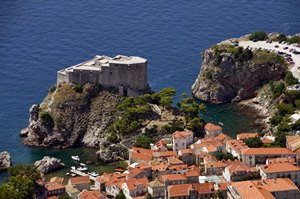 The Cathedral of the Assumption of the Virgin Mary (Velika Gospa). The Cathedral of the Assumption of the Virgin Mary (Velika Gospa) is situated in front of Rector's Palace. The first variant of the church was destroyed during the earthquake of 1667. The restoration works of the building were finished only in 1716. Travellers are usually offered to visit the treasure-house, where they can look at the shrine with the relics of St Blasius and 138 golden and silver items of the 11th and the 17th centuries. The cathedral is also the location of a true masterpiece - 'The Ascension of the Virgin' - made in Titian's atelier. Many experts claim that the work was created by the master himself.
Stylish design made in accordance with latest fashion trends is a calling card of the luxurious Rixos Libertas Dubrovnik. Its rooms feature stylish hardwood floors and panoramic floor to … Open
Open

This guide to iconic landmarks and sights of Dubrovnik is protected by the copyright law. You can re-publish this content with mandatory attribution: direct and active hyperlink to www.orangesmile.com.
City tours, excursions and tickets in Dubrovnik and surroundings
Reference information
Map of all shopping areas

Shopping streets in Dubrovnik
♥ Shopping area ' Stradun' Dubrovnik, 1.8 km from the center. On the map
 Photo
Photo

Map of all castles
Survived castles around Dubrovnik
♥ Castle 'Lovrijenac' , 1.5 km from the center. On the map
Photo
♥ Castle 'Stolac' , 49.5 km from the center. On the map
Photo
♥ Castle 'Fazlagić Tower' Gacko, 61.8 km from the center. On the map
Photo
♥ Castle 'Blagaj' Mostar, 69.6 km from the center. On the map
Photo
♥ Castle 'Ljubuški Fortress' Ljubuški, 75 km from the center. On the map
Photo
Map of all parks
National and city parks around Dubrovnik
♥ Forest Park 'Velika i Mala petka' , 1.7 km from the center. On the map
Photo
♥ National Park 'Mljet' , 57.5 km from the center. On the map
Photo
♥ National Park 'Lovćen' , 65.8 km from the center. On the map
Photo
♥ World Heritage Site 'Durmitor National Park' , 90.5 km from the center. On the map
Photo
♥ National Park 'Sutjeska' , 91.8 km from the center. On the map
Photo
Sights around Dubrovnik from our guide 'Extreme places on Earth'
Forte Rose
From the series “Famous Abandoned Military Bases and Forts”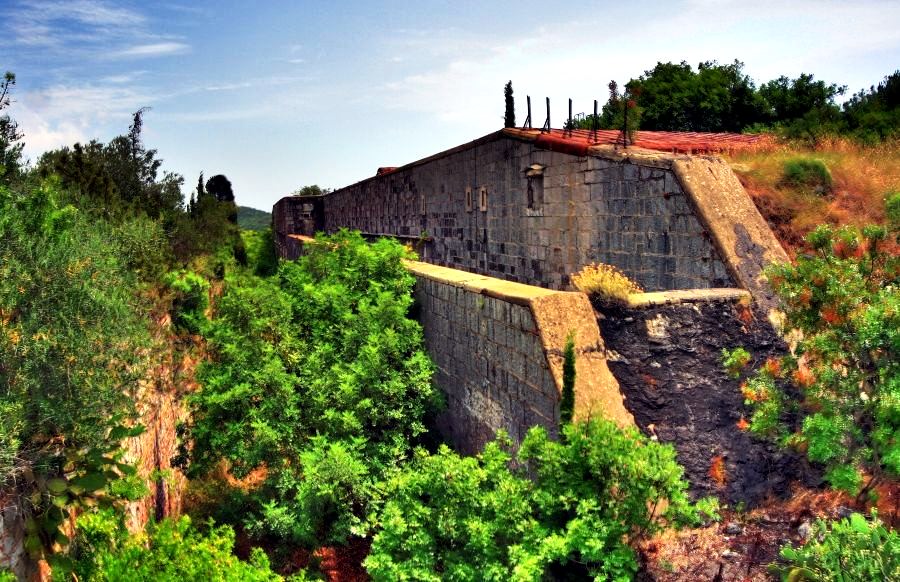
Check on the map: Distance from Dubrovnik center - 45.5 km.
It is incredibly exciting to visit and explore the three-storey building. Here, you will find many bunkers, stairs and platforms for the installation of military equipment. Curious guests can walk through the narrow corridors and steep stairs. Not far from the fort there is a complex system of catacombs, which will also appeal to lovers of independent historical research. Surrounded by the old forts, there are now several small hotels, so you can spend a few days in this interesting and picturesque area. …
Read further Distance from Dubrovnik center - 45.5 km.
Car rental on OrangeSmile.com

Expo 2020 in Dubai Was Visited by More Than 7 Million Visitors
If you haven’t visited this event yet, there is still time to book a hotel in Dubai because Expo 2020 Dubai runs until 31 March 2022. People who are unable to visit the emirate can make a virtual tour on the Expo 2020 website. By the way, the virtual visitation has already reached 31.6 million by the end of December. Read this
27.04.2024
If you haven’t visited this event yet, there is still time to book a hotel in Dubai because Expo 2020 Dubai runs until 31 March 2022. People who are unable to visit the emirate can make a virtual tour on the Expo 2020 website. By the way, the virtual visitation has already reached 31.6 million by the end of December.
 Read this
27.04.2024
Search touristic sites on the map of Dubrovnik
 All about Dubrovnik, Croatia - sightseeings, attractions, touristic spots, architecture, history, culture and cuisine. Prepare your trip together with OrangeSmile.com - find out the 'must see' things in Dubrovnik, which places to visit, which excursions to take, where the breathtaking views are waiting for you. Planning your trip with this travel guide will help your to get the most out of Dubrovnik in few days.