



Sightseeing in Innsbruck - what to see. Complete travel guide
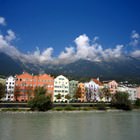
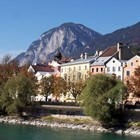
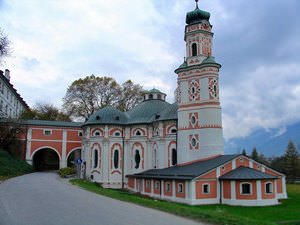 Surrounded by a ridge of picturesque mountains, Innsbruck is a beautiful place that attracts numerous tourists. Every year, the city and the ski resorts located near it are visited by approximately two million people. Innsbruck has become so popular due to a unique combination of cultural, natural and sporting attractions. Even ancient Romans knew that the confluence of the Inn and the Schill is the best place to live. They founded Wilden – a forerunner of the modern city of Innsbruck.
There is no problem to find a suitable hotel for a romantic vacation in Innsbruck. Couples of different ages prefer to make bookings at Gasthof Ölberg. This beautiful guesthouse is open in …  Open
Open
Open
is the main street of the Old Town. Several typical ancient streets are adjacent to Friedrich Street. Tourists, who visit this place, are immediately
 immersed in the atmosphere of Baroque. However, you will find other architectural styles there. Number 15 in this street is the location of the most famous symbol of Innsbruck – “Golden Roof” ("Das goldene Dach") . This large, 16 m tall building with bay windows is covered with gilded copper roof tiles. In 1500 it was added to the palace of Tyrol rulers of that time, so Kaiser could observe life in the square from that house. One of the reliefs on the façade depicts curious Kaiser and his two wives. Not far away from the house, near the Old Town Hall (Alte Rathaus) (XV century) tourists will find the City Tower , which is 56 meters in height and which is equipped with an observation platform. The tower was built in the XIV century, and later it was modified to suit the traditions of the XVI century. If you enjoy a fusion of styles, you should not forget to visit Helblinghaus, which is located on the other side of the street. Originally built in the Gothic style, in the XVIII century the building was richly decorated in the rococo style. Copyright www.orangesmile.com
In Innsbruck there are enough places for fascinating shopping, many interesting shops are concentrated on the pedestrian street of Duke Friedrich. This is an incredibly beautiful historic … Open
Open
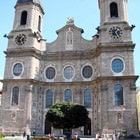
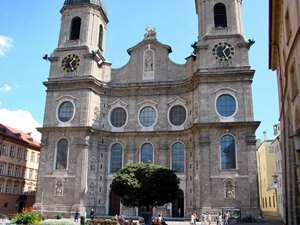
Cathedral Square (Domplatz)
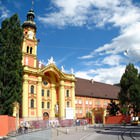
is the location of St. Jacob Cathedral built in the Baroque style . The building of the cathedral was finished in the beginning of the XVIII century. During the 50s of the last century, the cathedral was restored in order to eliminate the effects of severe damage received during the last war. Only after restoration the roof of the cathedral was decorated with an equestrian image of St. Jacobs. By the way, this image was in the original idea of the architect of the cathedral. Luxurious interior of the cathedral is the work of the three brothers - Asam, Kosmas Damian and Aegis Quirinus, who were responsible for the painting and the sculptures.
 Imperial Palace (Hofburg).
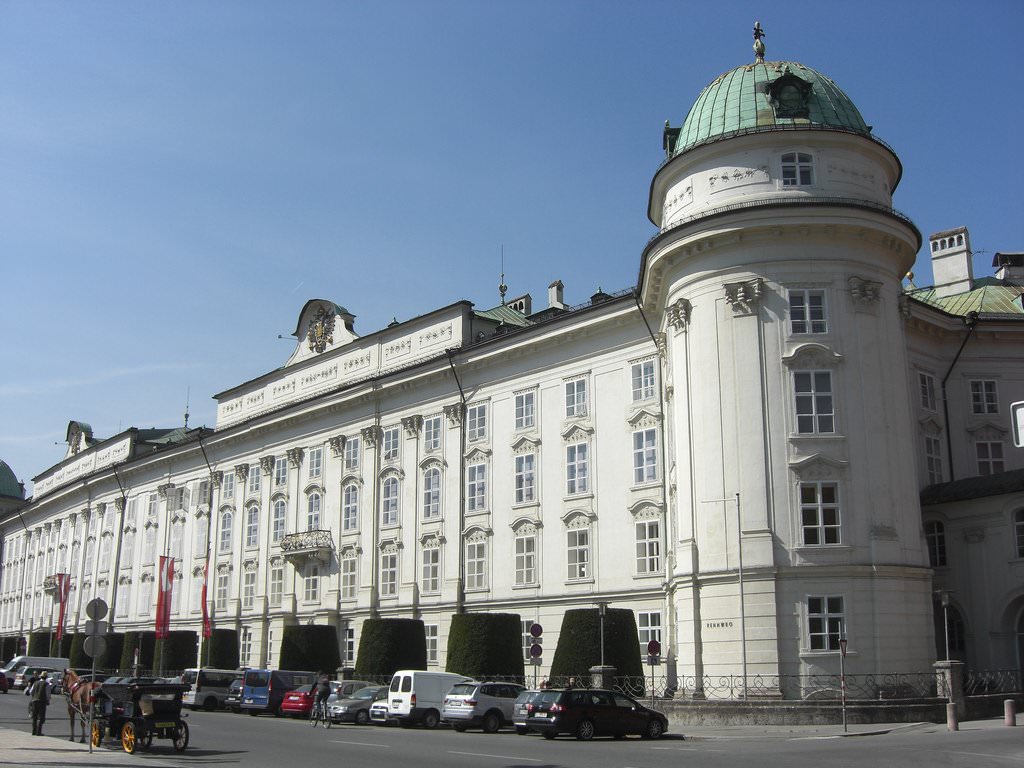
 Hofburg is located nearby. The palace was the residence of prince, and it was built in the middle of the XV century. Three centuries later, a large amount of money derived from taxes was used to rebuild the palace according to the order of Empress Maria Theresia. Therefore, a wing in the Baroque style was added to the palace, the appearance of its façade was also changed, the interior was changed to rococo, and the palace got a garden, which is still open to visitors. The street, named in honor of Maria Theresa, is home to the old Landhaus
, which is built in the style that can be described as late Baroque. Many years ago the house was occupied by the government of Tyrol. The new Landhaus is located behind the old one.
Discovering the architecture of Innsbruck from bird's eye view! Ambras Castle, Basilika Wilten, Hofkirche, Tivoli-Neu, Triumphpforte, Anbetungskirche, Tyrolean State Museum, all those monuments are defining the image of Innsbruck … Open
Open
The Ferdinandeum Museum
exhibits a collection of the National Museum of Tyrol. The “Art” section is represented not only by priceless works of old masters, such as Rembrandt and Bruegel, but also by works of modern Austrian artists, such as Klimt and Kokoschka. The “Patriotic Hall” is dedicated to the history of the Andreas Hofer time.
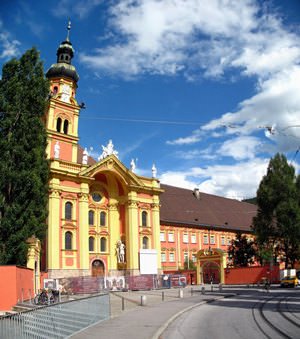 Hofkirche Church features another noteworthy collection of art. . The church is located approximately opposite to Hofburg, and it was built by order of Ferdinand I, who wanted to place a tomb of Emperor Maximilian I in it. The tomb is actually located in Hofkirche, but it is empty. The remains of Maximilian I are kept in Neustadt, Vienna. Nevertheless, Hofkirche has much to see – pictures that depict various notable personalities, drawings in the memory of Andreas Hofer (1767-1810) and the fight for freedom, which he did. However, Silver Chapel (Silberne Kapelle) is known as the most famous attraction of the church of Hofkirche. The chapel was built by order of Archduke Ferdinand II. Adjacent to the church, the chapel served as a burial place for his wives, who were not from aristocracy. The archduke himself is also buried there. The chapel has got its name because of a silver image of Mary on the altar.
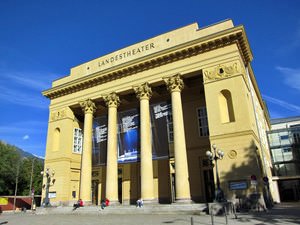
Jesuitenkirche, Statdturm, Tiroler Landestheater, Spitalkirche, Herz-Jesu-Kirche, as well as many others, they all become the world's cultural heritage objects and remain as iconic monuments for Innsbruck … Open
Open
Ambras Castle is located closer to outskirts of the city.
Many years ago it was home to the most powerful people of Tyrol. In the XVI century, two castles adjacent to each other were built on this site. One castle was at the top, and the second one - at the bottom. They were connected to each other by the hall made in the early Renaissance style. Fans of art will be delighted with the gallery with portraits of the Habsburgs. Among the pictures present here, there are works by Rubens.
 Bergizel Mountain
 Mount Bergizel is one of the most visited places in the country. This is a true paradise for fans of walking. In this place, in 1809 the peasant army of Andreas Hofer defeated the army of invaders that consisted of French and Bavarian soldiers. At that time Tyrol was under the oppression of Bavarian dukes, who were Napoleon allies. A statue of this national hero and a museum dedicated to him still remind of that war. If you visit Mount Bergizel, do not forget to attend the Alpine Zoo
(you can reach it by funicular road). The zoo is the location of more than 150 species of animals from all over the region. 
This guide to iconic landmarks and sights of Innsbruck is protected by the copyright law. You can re-publish this content with mandatory attribution: direct and active hyperlink to www.orangesmile.com.
City tours, excursions and tickets in Innsbruck and surroundings
Reference information
Map of all castles

Survived castles around Innsbruck
♥ Castle 'Ambras Palace' , 2.8 km from the center. On the map
Photo

♥ Castle 'Burg Freundsberg' , 25.4 km from the center. On the map
Photo
♥ Castle 'King’s House on Schachen Bavaria' , 27.5 km from the center. On the map
Photo
♥ Castle 'Tratzberg Castle' , 29 km from the center. On the map
Photo
♥ Castle 'Burg Kropfsberg' , 37 km from the center. On the map
Photo
Map of all parks
National and city parks around Innsbruck
♥ Nature Park 'Karwendel' , 30.9 km from the center. On the map
Photo
♥ Nature Park 'Ötztal' , 42.1 km from the center. On the map
Photo
♥ Nature Park 'Hochgebirgsnaturpark Zillertaler Alpen' , 46.7 km from the center. On the map
Photo
♥ Nature Park 'Kaunergrat-Pitztal-Kaunertal' , 60.6 km from the center. On the map
Photo
♥ Nature Park 'Tiroler Lechtal' , 66.8 km from the center. On the map
Photo
Sights around Innsbruck from our guide 'Extreme places on Earth'
Swimming pool at Hotel Hubertus
From the series “Most Scary Swiiming Pools”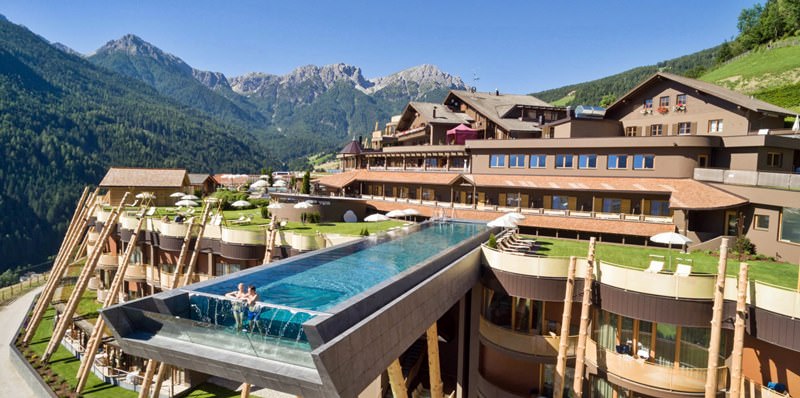
Check on the map: Distance from Innsbruck center - 64.1 km.
A wonderful recreation area with tables and spacious terraces is equipped for guests on the roof next to the pool. You can sunbathe there. Guests of the upscale hotel can use the pool even in winter. It is equipped with a powerful water heating system. Specially raised edges were equipped in the pool instead of standard sides so as not to block the picturesque scenery for vacationers. They merge with the horizon and make the boundaries of the pool literally intangible. This adds even more thrills. …
Read further Distance from Innsbruck center - 64.1 km.
Neuschwanstein Castle
From the series “The Most Wonderful Castles and Palaces”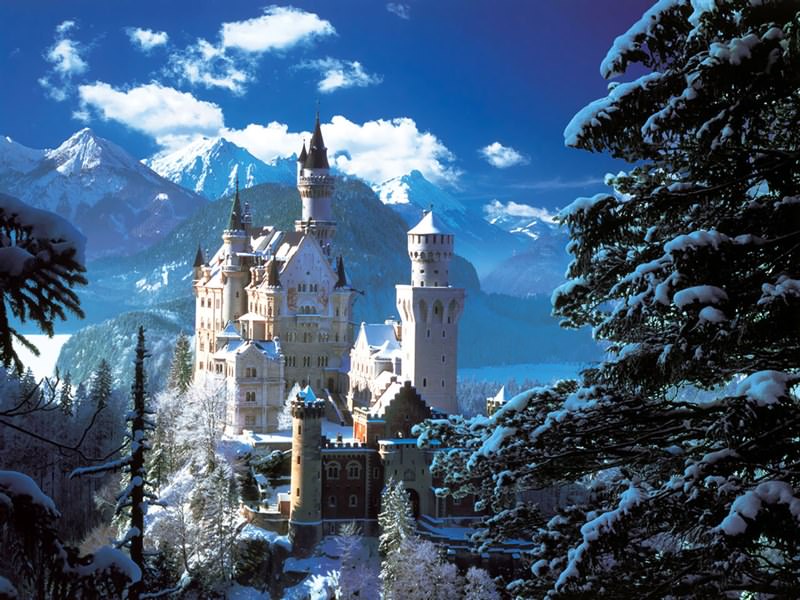
Check on the map: Distance from Innsbruck center - 58.6 km.
After more than a century the original interior was preserved in the castle. Today the guests can stroll through the spacious rooms decorated with fine frescoes and forgiven medieval chandeliers. The castle preserves the many valuable works of art created by the best painters from the 19th century. The wonderful mosaic floor, the painted ceilings, the countless paintings and sculptures made of precious materials and the wonderful wooden furniture make the setting for one of the most beautiful and fabulous castles in the world. …
Read further Distance from Innsbruck center - 58.6 km.
Car rental on OrangeSmile.com

Expo 2020 in Dubai Was Visited by More Than 7 Million Visitors
If you haven’t visited this event yet, there is still time to book a hotel in Dubai because Expo 2020 Dubai runs until 31 March 2022. People who are unable to visit the emirate can make a virtual tour on the Expo 2020 website. By the way, the virtual visitation has already reached 31.6 million by the end of December. Read this
27.04.2024
If you haven’t visited this event yet, there is still time to book a hotel in Dubai because Expo 2020 Dubai runs until 31 March 2022. People who are unable to visit the emirate can make a virtual tour on the Expo 2020 website. By the way, the virtual visitation has already reached 31.6 million by the end of December.
 Read this
27.04.2024
Search touristic sites on the map of Innsbruck
 All about Innsbruck, Austria - sightseeings, attractions, touristic spots, architecture, history, culture and cuisine. Prepare your trip together with OrangeSmile.com - find out the 'must see' things in Innsbruck, which places to visit, which excursions to take, where the breathtaking views are waiting for you. Planning your trip with this travel guide will help your to get the most out of Innsbruck in few days.