 English
 Russian
 Nederlands
 Deutsch
 Español
 Français
 Türkçe


Politics, constitution and administrative structure of Tunisia
 Tunisia is a republic whose legislation is based on her Constitution. Adopted in 1959, it is even today still periodically amended and updated. Tunisia is a unitary state with provincial administrative division. In total, there are twenty-three separate provinces in the Country today. At the head of the leadership is the President. It should be noted that his rights in the Republic are quite extensive, which is very unusual for modern republics. The form of government is presidential. The political regime is moderate type authoritarian rule. It is worth noting that the President is not only the Head of State of Tunisia, but he also occupies a leading position in the highest executive body. In addition, the President represents the republic in the international arena, participates in various international negotiations, and defends the interests of his people. He is also the commander-in-chief of the Armed Forces of Tunisia.
Tunisia is dominated by a subtropical climate. The Mediterranean Sea is the main influence on the formation of weather conditions. Summer in the …
Read further
Read further
The transport infrastructure in Tunisia is quite well developed. The most popular form of public transportation is buses. Depending on the carrier’s …
Read further
Read further
 The Constitution of the Country made provision for an independent court. Each Judge is personally appointed by the President of the Republic. The supreme council of the magistracy is responsible for proposing candidates. The main court in the country is the Supreme Court, followed by a state security court and a military court. There are also other courts in the country such as the appellate courts, central judicial bodies, cassation courts, the General Prosecutor’s Office, as well as cantonal courts. The Tunisian Armed Forces has more than 35,000 personnel. The gendarmerie, which has more than 2500 personnel, helps to maintain law and order within the country. Annually, Tunisia spends at least 2% of GDP on security. The main part of the Armed Forces is the land forces. The Air Force and the National Guard are also present.
This article about political life in Tunisia is protected by the copyright law. You can re-use the content, but only under the condition of placement of an active link to www.orangesmile.com.
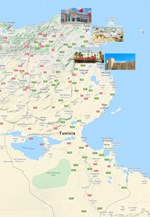
Country maps
Car rental on OrangeSmile.com
Map of cities

Photogallery of famous places of Tunisia
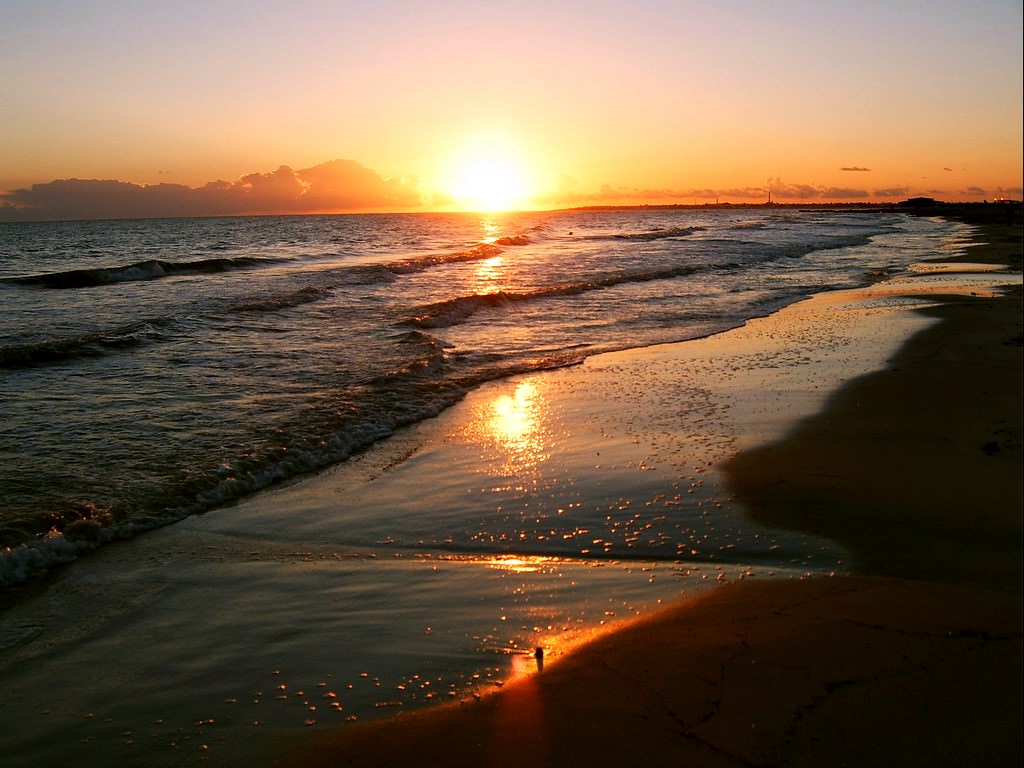

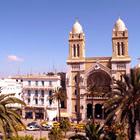
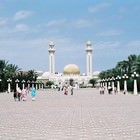
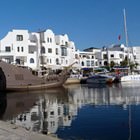
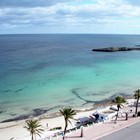
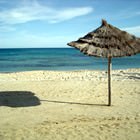
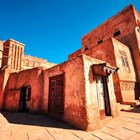
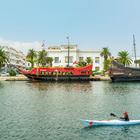
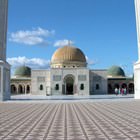
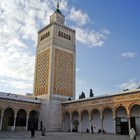
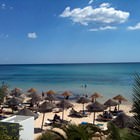
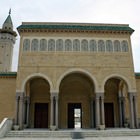
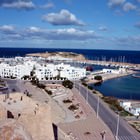
Electorate - mentality of people in Tunisia regions
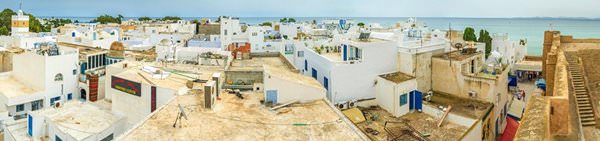
Hammamet
Foreign guests can feel relatively calm in Hammamet; urban residents have long been accustomed to a large number of tourists and perceive features of other cultures with understanding. Anyway, you have to consider the outfit carefully, if you hope to visit religious sites and explore suburbs of Hammamet. It is inexcusable to go on a tour around religious sites in low-necked and provocative clothes. As for locals, they have their own unique clothing style. During a walk through residential … Read more 
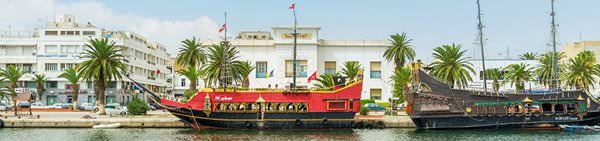
Sousse
For many travelers the first association with cultural traditions of indigenous people is hammam. A visit to it has long been a tradition not only for locals, but also for tourists. The hammam is often located near the mosque. Modern saunas are multi-purpose sports complexes, as they offer customers high quality massages and beauty treatments. Many interesting traditions are associated with hammam. For example, men can visit the hammam from dawn until noon, and women have access to the hammam … Read more
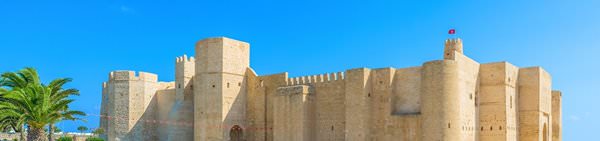
Monastir
The prayer ritual is observed by citizens several times a day at a certain time, and it can be done even on the street. If, during your walk, you see a person kneeling, you should walk around them well at a distance. It’s not polite to stare at those praying. Local women’s everyday clothing is burqa. It’s also impolite to stare at local citizens in traditional clothing. There are also special rules of conduct in public places: you shouldn’t speak and express your emotions too … Read more
Djerba Island
In order not to get in trouble with the law, you should abstain from drinking wine, beer, etc. from the bottle right on the streets. Drinking alcohol outside the designated places is forbidden here. Besides, you have to remember that there is the month called Ramadan in the Muslin calendar during which religious observe a strict fast. Though nobody would deny serving you in bars or restaurants in this period, offer locals to have a bite or a drink with is totally rude. The same is about … Read more