



Sightseeing in Kyoto - what to see. Complete travel guide
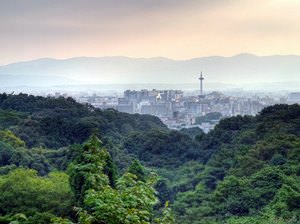 Until 1868 Kyoto was the residence of the emperor, the capital and the spiritual center of Japan. On the territory of the city are located 17 ancient temples, large number of historical monuments, many of which are under the patronage of UNESCO.
Many entertainment venues in Kyoto will help to diversify the rich excursion program; anyone could find a place to stay at his liking. Travelers coming to vacation with kids are sure to …  Open
Open
Open
1. Major shopping centers are open every day, seven days a week. They begin serving visitors not later than 10:00 am, and the working day ends not earlier than 9:00 pm. If the store is … Open
Open
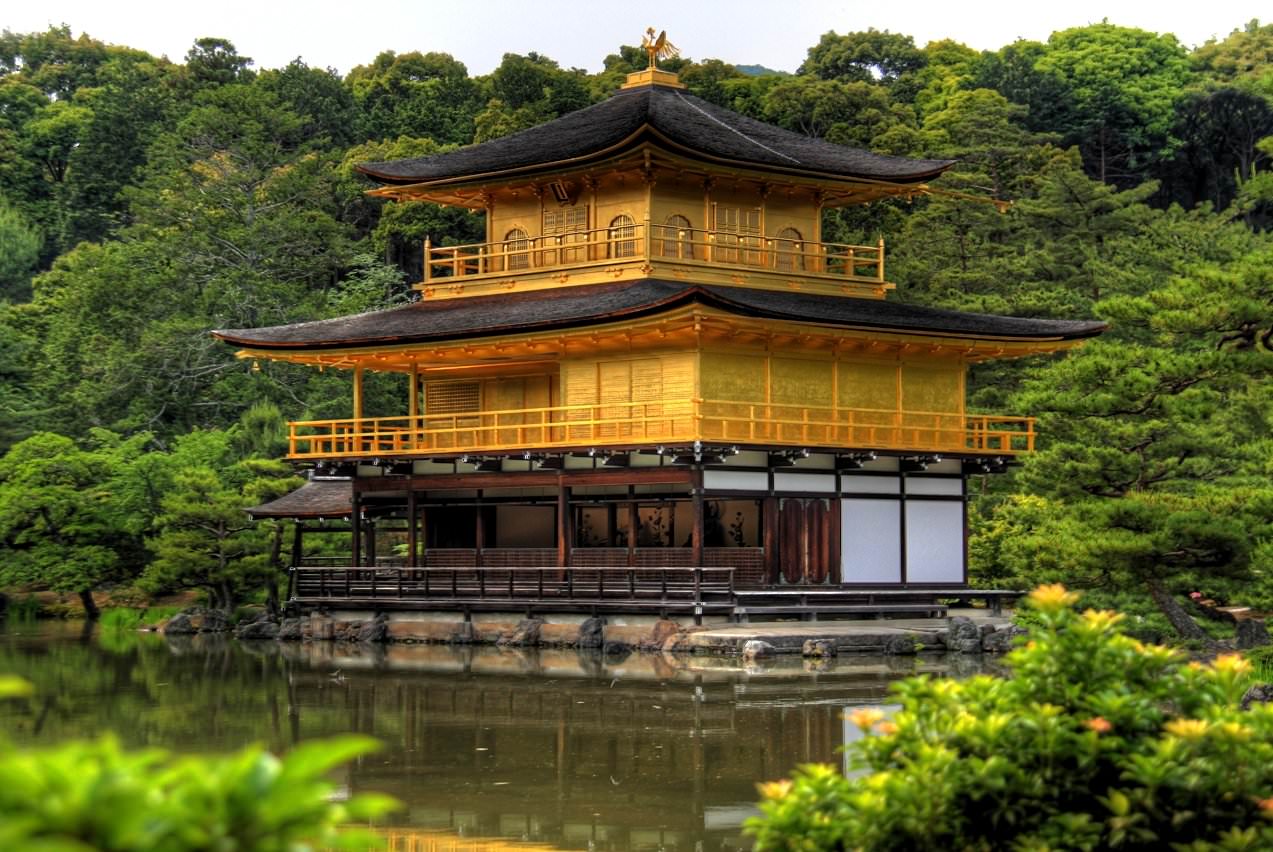
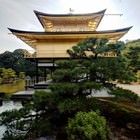
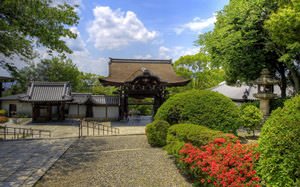 The greatest Buddhist monument is the temple of Kinkaku-ji. It is known under the unofficial name Golden Temple by many tourists. The walls and roof of this temple are covered with sheets of pure gold. At any time of the year, it looks simply unrepeatable against the backdrop of the surrounding landscapes. The temple was built at the end of the 14th century, and is known for hosting the last years of the life of the Shogun Ashikaga Yoshimitsu. In 1950, the building was badly damaged by a fire. The fire was arranged by one of the local monks. The full restoration of the beautiful temple took more than 30 years.
Kyoto has plenty of shopping spots to choose from. Here you can start shopping right at the railway station. The Kyoto Station Building is one of the largest stations not only in the country … Open
Open
 Of national significance is the Nijo Castle. Its construction began in 1603. It was erected as the official residence of the Tokugawa dynasty. This castle is one of the most luxurious in Japan. It has almost completely preserved the original facade decoration, and in the castle's interior, are hidden unique historical relics. Visit to the castle is available to tourists all year round, but most travelers prefer to visit it in summer. The castle is located on the territory of a large picturesque garden, on which it is especially interesting to stroll in spring or summer.
Discovering the architecture of Kyoto from bird's eye view! Kiyomizu-dera, Kyoto Tower, Tenryu-ji Temple, Chion-in, all those monuments are defining the image of Kyoto … Open
Open
 There are many interesting museums in Kyoto. One of the most unusual is the Asukoyama Museum. Its main exhibits are archaeological finds, which were discovered by researchers directly in the city and in other areas of Japan.
This guide to iconic landmarks and sights of Kyoto is protected by the copyright law. You can re-publish this content with mandatory attribution: direct and active hyperlink to www.orangesmile.com.
City tours, excursions and tickets in Kyoto and surroundings
Reference information
Map of all shopping areas

Shopping streets in Kyoto
♥ Shopping area ' Shijō Karasuma)' Kyoto, 1.1 km from the center. On the map
 Photo
Photo

♥ Shopping area ' Shin-Kyōgoku Street' Kyoto, 1.7 km from the center. On the map
Photo
♥ Shopping area ' Shijō Kawaramachi' Kyoto, 1.7 km from the center. On the map
Photo
♥ Shopping area ' Pontochō' Kyoto, 2 km from the center. On the map
Photo
Map of all castles
Survived castles around Kyoto
♥ Castle 'Ichigoyama Castle' Yoshii, 1.6 km from the center. On the map
Photo
♥ Castle 'Momoyama Castle' see Fushimi Castle, 7.2 km from the center. On the map
Photo
♥ Castle 'Shoryuji Castle' Nagaokakyō, 10.1 km from the center. On the map
Photo
♥ Castle 'Yodo Castle' Kyoto, 11 km from the center. On the map
Photo
♥ Castle 'Zeze Castle' Ōtsu, 13.2 km from the center. On the map
Photo
Map of all parks
National and city parks around Kyoto
♥ Prefectural Natural Park 'Ryozen' , 2.9 km from the center. On the map
Photo
♥ Prefectural Natural Park 'Hozu kyo' , 10.4 km from the center. On the map
Photo
♥ Prefectural Natural Park 'Mikami-tanakami-shigaraki' , 21 km from the center. On the map
Photo
♥ Prefectural Natural Park 'Kutsuki-katsura gawa' , 29.2 km from the center. On the map
Photo
♥ Prefectural Natural Park 'Hashikura' , 30.9 km from the center. On the map
Photo
Map of all art museums
Art galleries in Kyoto and around
♥ Art museum 'Kyoto National Museum' Kyoto, 2.4 km from the center. On the map
Photo
♥ Art museum 'National Museum of Modern Art Kyoto' Kyoto, 3.2 km from the center. On the map
Photo
♥ Art museum 'Kyoto Municipal Museum of Art' Kyoto, 3.4 km from the center. On the map
Photo
♥ Art museum 'Sen-oku Hakuko Kan' Kyoto, 4.4 km from the center. On the map
Photo
♥ Art museum 'Miho Museum' Kyoto, 26 km from the center. On the map
Photo
Sights around Kyoto from our guide 'Extreme places on Earth'
Megaliths in Park Asuka
From the series “The Most Mysterious Constructions of the Planet”
Check on the map: Distance from Kyoto center - 59.8 km.
In what way the people worked the solid granite several thousand years ago, decorating it with patterns, is the riddle for the modern science. Locals believe in the magical power of megaliths. Many try to avoid them and do not touch the huge stones. These legends do not frighten the curious tourists, who are photographed next to the huge granite stones every day. …
Read further Distance from Kyoto center - 59.8 km.
Osaka Board Game Park
From the series “Top 16 Most Unusual and Original Parks and Gardens”
Check on the map: Distance from Kyoto center - 42.3 km.
Thus, the park is made entirely of environmentally friendly materials, so it’s very popular among families with children. This theme park is also used for its intended purpose. Locals come here to play board games and enjoy the picturesque canals. …
Read further Distance from Kyoto center - 42.3 km.
Car rental on OrangeSmile.com

Preferred to Open 9 New Hotels in 2022
In September 2022, the Sommerro hotel in Oslo will start operating in a carefully restored 1930s Art Deco building. This building is a true landmark of Frogner, a historic neighborhood of the Norwegian capital. A multi-million-dollar renovation carefully turned the largest preservation project in Norway into a modern hotel with 231 rooms, including 56 residences. Preferred will open five more hotels in 2022, namely, The Wall Street Hotel in New York, Amrit Ocean Resort & Residences on Singer Island (Florida, the US), TOA Hotel & Spa in Zanzibar, Pendry hotel in Washington, and Pendry Park City hotel in Utah. Read this
27.04.2024
In September 2022, the Sommerro hotel in Oslo will start operating in a carefully restored 1930s Art Deco building. This building is a true landmark of Frogner, a historic neighborhood of the Norwegian capital. A multi-million-dollar renovation carefully turned the largest preservation project in Norway into a modern hotel with 231 rooms, including 56 residences. Preferred will open five more hotels in 2022, namely, The Wall Street Hotel in New York, Amrit Ocean Resort & Residences on Singer Island (Florida, the US), TOA Hotel & Spa in Zanzibar, Pendry hotel in Washington, and Pendry Park City hotel in Utah.
 Read this
27.04.2024
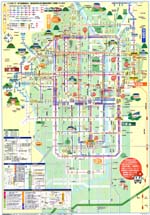
Search touristic sites on the map of Kyoto
 All about Kyoto, Japan - sightseeings, attractions, touristic spots, architecture, history, culture and cuisine. Prepare your trip together with OrangeSmile.com - find out the 'must see' things in Kyoto, which places to visit, which excursions to take, where the breathtaking views are waiting for you. Planning your trip with this travel guide will help your to get the most out of Kyoto in few days.