



Sightseeing in Shanghai - what to see. Complete travel guide
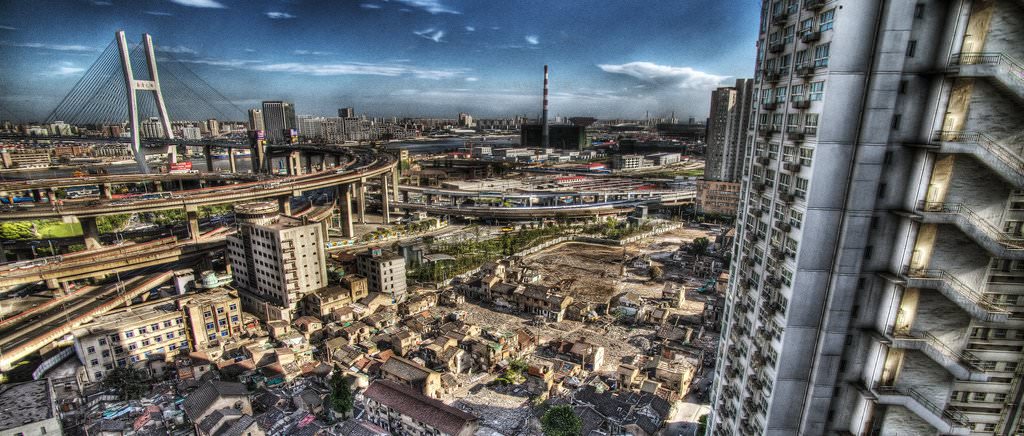
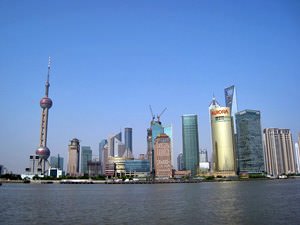 Regarded as the 'Oriental Pearl', Shanghai is known for its intriguing blend of Chinese and Western cultures. This charming old-aged city is not only China's center of economy, finance, trade and navigation, but also a cosmopolitan metropolis on the western bank of the Pacific Ocean. Just like magnolia in bloom (the symbol of the city), Shanghai is full of life and vitality. Shanghai is one of the most populous and developed cities in the People's Republic of China. It is located on the estuary of the Yangtze River. North of city, the river pours into the East China Sea. Owing to its advantageous geographic location, Shanghai has become a prosperous busy port.
Despite the fact that Shanghai occupies a vast coastal territory, there are no beaches for a holiday in the city available. This drawback is fully compensated by the variety of entertainment …  Open
Open
Open
1. It is better to go to Shanghai in the spring. The weather is very comfortable here at this time. In addition, there are not many tourists here at this time of year. The main influx of … Open
Open
Part II
Shanghai is the most populous megapolis in the world, the largest seaport and the most important business and cultural center of the world. The incredibly beautiful and dynamic city welcomes millions of guests from all over the world. Some people like its large-scale shopping malls and thousands of entertainment venues. Others are interested in the cultural events of the city. The priceless sights do not leave anyone indifferent.
 An active development of the city is increasingly conditioned with its profitable strategic position. It has a status of a major shopping center since ancient times. For the first time the name «Shanghai» was mentioned in the 11th century. The name of the city can literally be translated from Chinese as "the upper sea". The first settlement has appeared much earlier on site of the city. Shanghai was a part of the largest district Songjiang
  . In 1553 people started to build fortification walls in Shanghai. Soon it was given a status of the city and it became an independent administrative unit. Given the fact that being at one time the large county, now Songjiang is one of the districts of Shanghai. We can imagine how fast was the development of the young city.
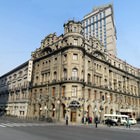
In Shanghai, hundreds of amazing hotels are available for travellers. There are many original and exclusive institutions among them. On the bund Waitan there is a legendary historic hotel … Open
Open
 Shanghai is a permanent place for holding cultural and entertainment events of the global scale. Followers of event tourism can take a trip literally at any day and be confident that they will have an opportunity to participate in any large-scale event. You should definitely pay attention to the personality of local citizens. Among the brightest features are the diligence and punctuality. They are very attentive people, who take their responsibility to any work. Many indigenous inhabitants work 7 days per week. In addition to responsible attitude to their work citizens of Shanghai are responsible for family relationships. It is common to think that the head of the Shanghai family is a woman. In many ways this statement is right. Many spouses make it their business to do some household duties. They cook perfectly and spend a lot of time with children.
Shanghai is great for shopping. There are many shopping centers here. You can find everything you need in them: from European brand clothing to Eastern traditional medicine. If you are … Open
Open
. There are very interesting excursions on river boats. Admires of shopping choose the busy street Nanjing Lu for having a rest. It contains a continuous series of colorful shopping centers, stylish boutiques and saloons.
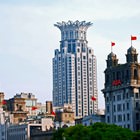
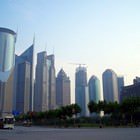
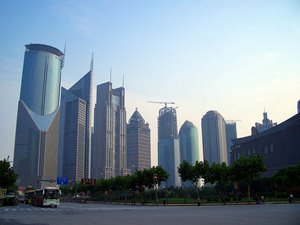 Travelers who are interested in history can walk in Old Town of Shanghai. It will give many wonderful impressions. Nobby modern skyscrapers and harmonious Imperial palaces, mythical lovely pagodas and temples including a priceless incarnation of history museums and ultra-modern exhibition complexes – it is just a part of attractive features of the dynamic city which is improving every minute.
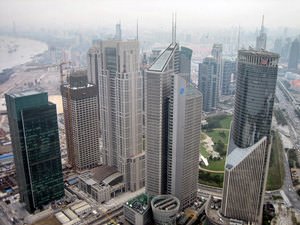
Discovering the architecture of Shanghai from bird's eye view! Oriental Pearl Tower, Shanghai Exhibition Center, Shanghai Tower, Shanghai World Financial Center, Shanghai Grand Theatre, all those monuments are defining the image of Shanghai … Open
Open
 It is possible to buy silk fabric of different shades in local markets and in shopping centers. Dongtai market remains one of the best places to shop. In addition to gorgeous silk and popular souvenirs, this market is a great place to purchase interesting antiquity items and artworks by local craftsmen. Many tourists visit Shanghai to buy inexpensive jewelry, so there is no wonder why the city is home to Sunshine, the first jewelry market in Asia. This is the place to purchase truly unique elite jewelry that is both affordable and of the high quality. Finally, there is a separated market specializing in electronics. Named Cybermart, this market never ceases to attract numerous fans of gadgets.
This guide to iconic landmarks and sights of Shanghai is protected by the copyright law. You can re-publish this content with mandatory attribution: direct and active hyperlink to www.orangesmile.com.
City tours, excursions and tickets in Shanghai and surroundings
Reference information
Map of all art museums

Art galleries in Shanghai and around
♥ Art museum 'Shanghai Art Museum' Shanghai, 1.7 km from the center. On the map
Photo

♥ Art museum 'Shanghai Museum' Shanghai, 1.8 km from the center. On the map
Photo
♥ Art museum 'Rockbund Art Museum' Shanghai, 3.5 km from the center. On the map
Photo
♥ Art museum 'Power Station of Art' Shanghai, 4.5 km from the center. On the map
Photo
♥ Art museum 'China Art Museum' Shanghai, 5.4 km from the center. On the map
Photo
Sights around Shanghai from our guide 'Extreme places on Earth'
Swimming pool at Holiday Inn Pudong Kangqiao
From the series “Most Scary Swiiming Pools”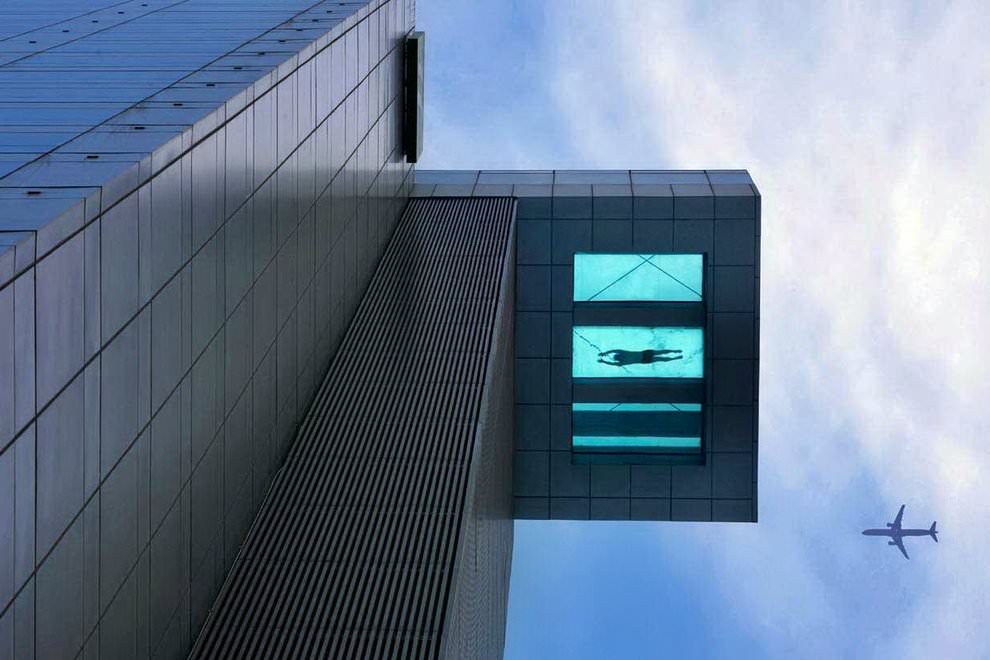
Check on the map: Distance from Shanghai center - 15 km.
The original pool is a major attraction for many travelers. They choose the Holiday Inn Pudong Kangqiao because of it. The hotel offers guests an excellent wellness center with various types of saunas and a fully equipped gym in addition to a chic pool. There are also professional-level tennis courts in the hotel. …
Read further Distance from Shanghai center - 15 km.
Jackie Chan Museum
From the series “Famous Museums of World Celebrities”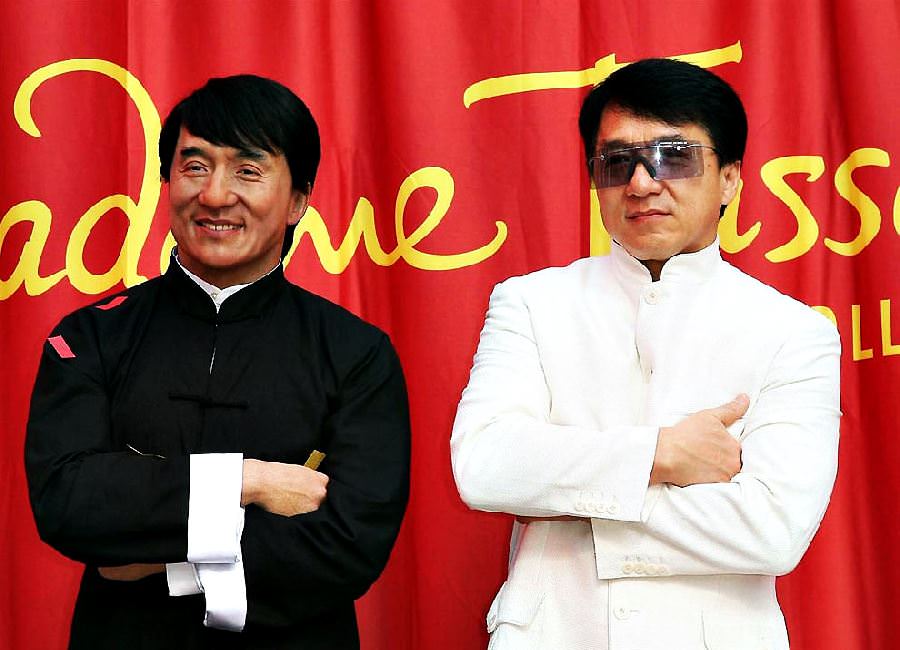
Check on the map: Distance from Shanghai center - 6.3 km.
The opening of the museum in Shanghai took place relatively recently, in 2009. It was built in just one year. The actor himself was present at the ceremony of launching the construction on July, 8, 2008. A part of the funds collected as an admission fee is used to support the place, and the remaining money are spent for charity. The entrance fee to this unusual museum is quite small and is only 150 yuans. Students and children have discounts of more than 50 percent. …
Read further Distance from Shanghai center - 6.3 km.
Jin Mao Tower
From the series “The Highest Buildings in the World”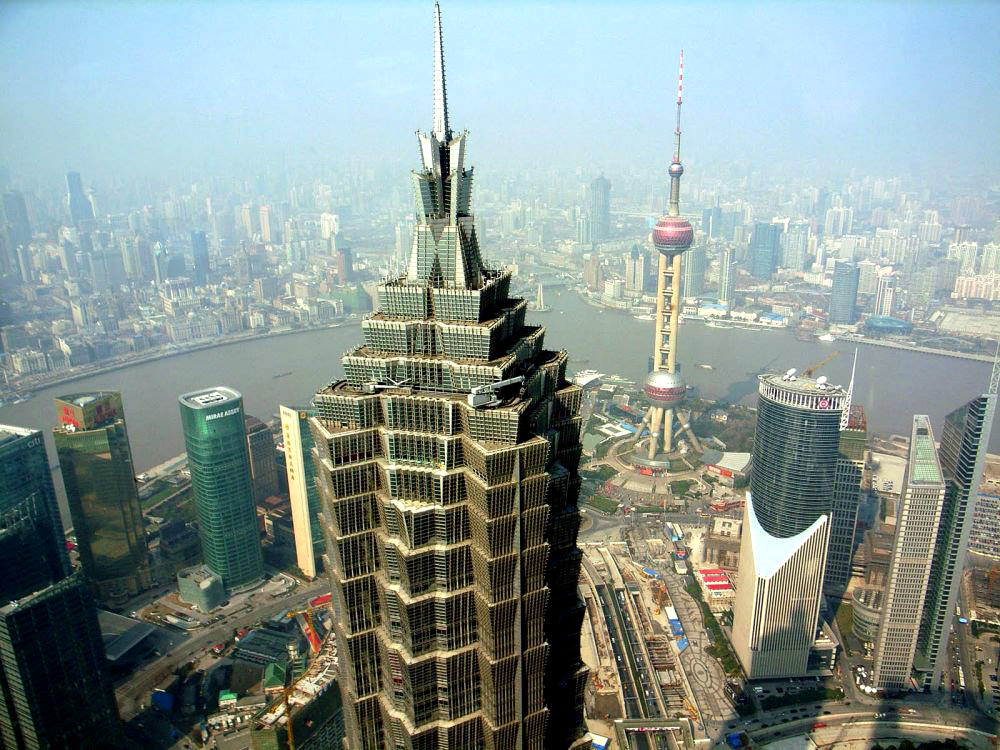
Check on the map: Distance from Shanghai center - 4.8 km.
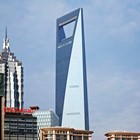
Speaking about features of Jin Mao Tower, it’s certainly worth to note its high durability. The building was designed with local climate in mind, so it can withstand hurricane winds at 200 m/s, as well as earthquakes and other natural disasters. A panoramic lift that can reach speeds of more than 9 m/s and can raise visitors to the observation deck of a skyscraper in just 45 seconds will provide colorful impressions. …
Read further Distance from Shanghai center - 4.8 km.
Car rental on OrangeSmile.com

Expo 2020 in Dubai Was Visited by More Than 7 Million Visitors
If you haven’t visited this event yet, there is still time to book a hotel in Dubai because Expo 2020 Dubai runs until 31 March 2022. People who are unable to visit the emirate can make a virtual tour on the Expo 2020 website. By the way, the virtual visitation has already reached 31.6 million by the end of December. Read this
27.04.2024
If you haven’t visited this event yet, there is still time to book a hotel in Dubai because Expo 2020 Dubai runs until 31 March 2022. People who are unable to visit the emirate can make a virtual tour on the Expo 2020 website. By the way, the virtual visitation has already reached 31.6 million by the end of December.
 Read this
27.04.2024
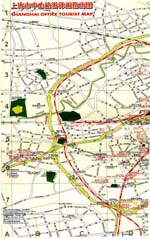
Search touristic sites on the map of Shanghai
 All about Shanghai, China - sightseeings, attractions, touristic spots, architecture, history, culture and cuisine. Prepare your trip together with OrangeSmile.com - find out the 'must see' things in Shanghai, which places to visit, which excursions to take, where the breathtaking views are waiting for you. Planning your trip with this travel guide will help your to get the most out of Shanghai in few days.