



Sightseeing in Norrkoping - what to see. Complete travel guide
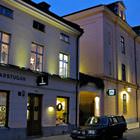
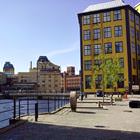
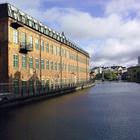
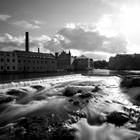
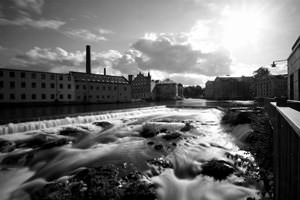
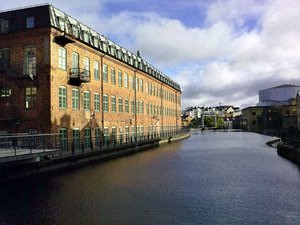
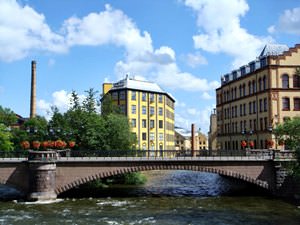 A major industrial center of Sweden, Norrkoping is sometimes called the "Swedish Manchester". The reason for this is in the fact the city was growing rapidly during the period of industrialization. Today the city is home to the largest plants in the country. Norrkoping has also become a rather well-known tourist destination. The first settlements on the city’s territory appeared in the 12th century. The local people were mostly involved into land cultivation and fishing. Norrkoping received the status of the city in the beginning of the 14th century.
Although Norrköping cannot offer lots of entertainment centers, one of the country's most famous amusement parks - Kolmarden - can be found in the vicinity of the city. It occupies a vast …  Open
Open
Open
1. Norrköping lies on the banks of the Motala River so fishing is one of the locals’ favorite activities. Tourists are can go fishing right on the city embankments. A fishing permit … Open
Open
 Travelers who visit the city in the spring should definitely go for a walk in Carl Johan's park Its main attraction is a huge flower bed made up of cacti and agaves, every year this flower bed is decorated in a new unique style. In the picturesque park, you can see many interesting plants, not typical for Scandinavia. A walk through it promises to be no less fascinating than visiting the botanical garden.
Norrköping is not distinguished by a variety of shopping centers and outlets. The bulk of the stores presented in the city are aimed primarily at local residents. In the central streets, … Open
Open
 Go to the German Square, if you want to see one of the oldest religious buildings in the city - St. Hedwig's Church, which is locally known as the "German Church". In 1613 this church was built by German emigrants of Norrköping. Prince John gave them permission to build their own church, the walls of which currently keep many interesting unique artifacts.
The Swedish city of Norrköping favorably located by the picturesque river Motala attracts many tourists looking for a relaxing and peaceful holiday. It offers plenty of attractions - both … Open
Open
 In the immediate vicinity of the city is the famous amusement park called Kolmården, a visit to which would be interesting not only for travelers with children. The territory of this vast park includes many interesting recreation areas: there are a beautiful zoo and a dolphinarium - the very first one opened in Sweden. Most entertainment for visitors to the park is available in the warm season. It is equipped with sports grounds, many playgrounds and all kinds of rides for children of all ages. In the warm season, the park often holds interesting activities and entertaining events.
This guide to iconic landmarks and sights of Norrkoping is protected by the copyright law. You can re-publish this content with mandatory attribution: direct and active hyperlink to www.orangesmile.com.
City tours, excursions and tickets in Norrkoping and surroundings
Reference information
Map of all castles

Survived castles around Norrkoping
♥ Castle 'Löfstad Castle' , 10 km from the center. On the map
 Photo
Photo

♥ Castle 'Finspång Castle' , 26.8 km from the center. On the map
Photo
♥ Castle 'Ekenäs Castle' , 27.9 km from the center. On the map
Photo
♥ Castle 'Stjärnorp Castle' , 35.9 km from the center. On the map
Photo
♥ Castle 'Ericsberg Castle' , 38.6 km from the center. On the map
Photo
Map of all parks
National and city parks around Norrkoping
♥ National Park 'Norra Kvill' , 99.1 km from the center. On the map
Photo
♥ National Park 'Garphyttan' , 105.7 km from the center. On the map
Photo
Sights around Norrkoping from our guide 'Extreme places on Earth'
Gota kanal
From the series “Greatest Man-Made Waterways and Channels”
Check on the map: Distance from Norrkoping center - 11.3 km.
The canal’s maximum depth is only 3 metres. But that doesn’t prevent from its actively using. Those travellers who go for a walk through the canal will be charmed with pristine beauty of forests and ancient towns and will have a unique opportunity to observe the size of agricultural lands in Sweden. …
Read further Distance from Norrkoping center - 11.3 km.
Car rental on OrangeSmile.com
Thailand Relaxes Its COVID-19 Policy
New Year events in Thailand are likely to bring more people this year because everyone is tired of lockdowns and craving normal life. Many tourists, who book hotels in Pattaya, Krabi, or Phuket for the holiday season, also want to participate. As champagne has become an essential drink for New Year celebrations, the question regarding alcohol consumption comes to mind. The government allowed serving alcoholic drinks during the New Year countdown but only open-air cafes and restaurants with good ventilation will be permitted to do this until 1 am on 1 January 2022. This rule is nationwide. Read this
26.04.2024
New Year events in Thailand are likely to bring more people this year because everyone is tired of lockdowns and craving normal life. Many tourists, who book hotels in Pattaya, Krabi, or Phuket for the holiday season, also want to participate. As champagne has become an essential drink for New Year celebrations, the question regarding alcohol consumption comes to mind. The government allowed serving alcoholic drinks during the New Year countdown but only open-air cafes and restaurants with good ventilation will be permitted to do this until 1 am on 1 January 2022. This rule is nationwide.
 Read this
26.04.2024
Search touristic sites on the map of Norrkoping
 All about Norrkoping, Sweden - sightseeings, attractions, touristic spots, architecture, history, culture and cuisine. Prepare your trip together with OrangeSmile.com - find out the 'must see' things in Norrkoping, which places to visit, which excursions to take, where the breathtaking views are waiting for you. Planning your trip with this travel guide will help your to get the most out of Norrkoping in few days.