
 English
 Russian
 Nederlands
 Deutsch
 Español
 Français
 Türkçe


National traditions of Peru. Habits, mentality and the way of living
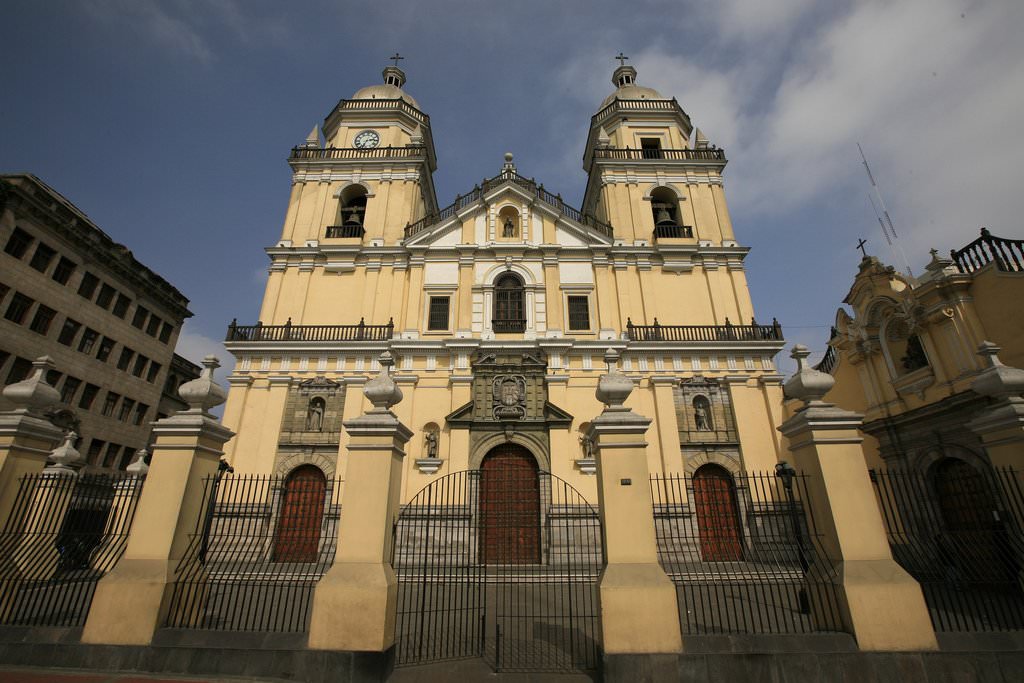 About 30 million people live in Peru. Most of them live in cities. 60% of the population is so-called mestizos. They are people of combined Spanish and Indian descent. 25% are Quechua (indigenous people who are heirs of the cultural tradition of the Inca state of Tawantinsuyu) and Aymara people. They were subject to the Incas in ancient times. The rest of the population is migrants from European, African, and Asian countries. Indian tribes live in the jungle and the Andes. These are Aguaruna, Shipibo-Conibo, Cocama-Cocamilla, Chayawita, Ticuna, and others. Their numbers are unknown.
The people of Peru love holidays and celebrate them on a grand scale. New Year is traditionally celebrated on January 1. According to the traditions …
Read further
Read further
The geography, climate, flora, and fauna of Peru are remarkably diverse. Coastal plains are arid but the climate is humid here. The climate is …
Read further
Read further
 Peruvians are very affable and friendly. It is customary to say “Hello” everywhere and to everyone, including taxi drivers and shop assistants. They are extremely proud of their country, traditions, and cuisine. Discussing attractions, especially Inca heritage, cuisine, and beverages is a great way to keep up a conversation and make a good impression. You should not discuss politics, especially local politics.
These spots really worth the attention of a real traveler-researcher.
…
Read further
Read further
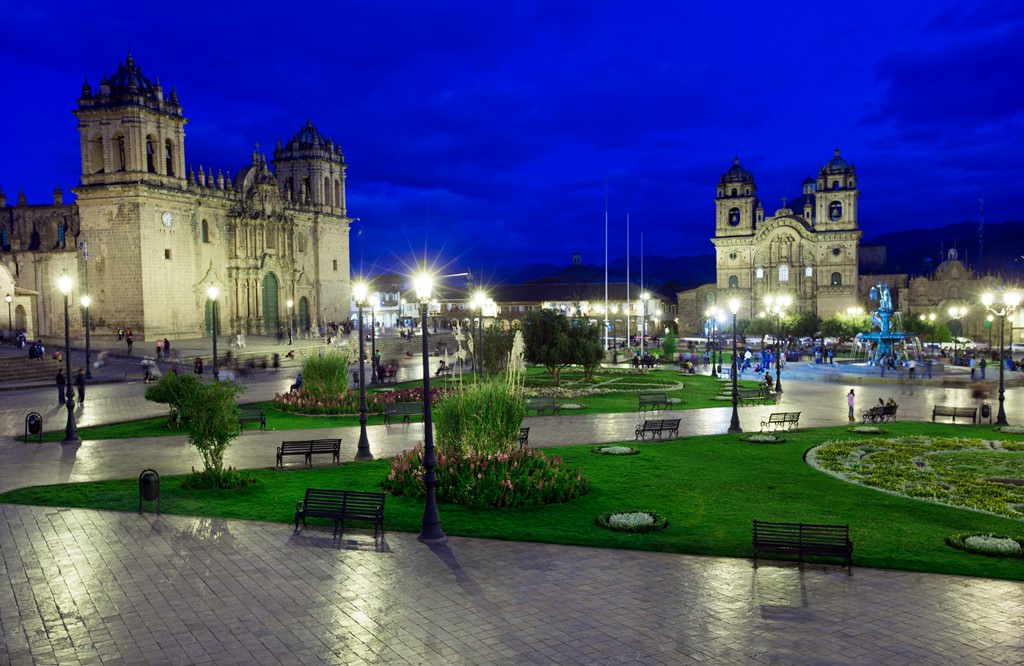 Peruvians stand extremely close to each other when talking. This may be unusual for Europeans. It is customary to touch each other during a conversation. It is absolutely normal for both men and women to walk holding hands. It is customary to respect elder people and women. Local people give up a place to them in transport. It is considered normal to shake a woman's hand when meeting. Peruvians are not the most punctual nation. It is considered normal to be late for half an hour here. It is customary to bring small gifts with you during a visit. For example, you can take a box of chocolates with you. You need to put the knife and fork on the plate parallel to the diagonal to demonstrate that the meal is over.
Monuments and architectural objects, notable for the history and culture of the country.
…
Read further
Read further
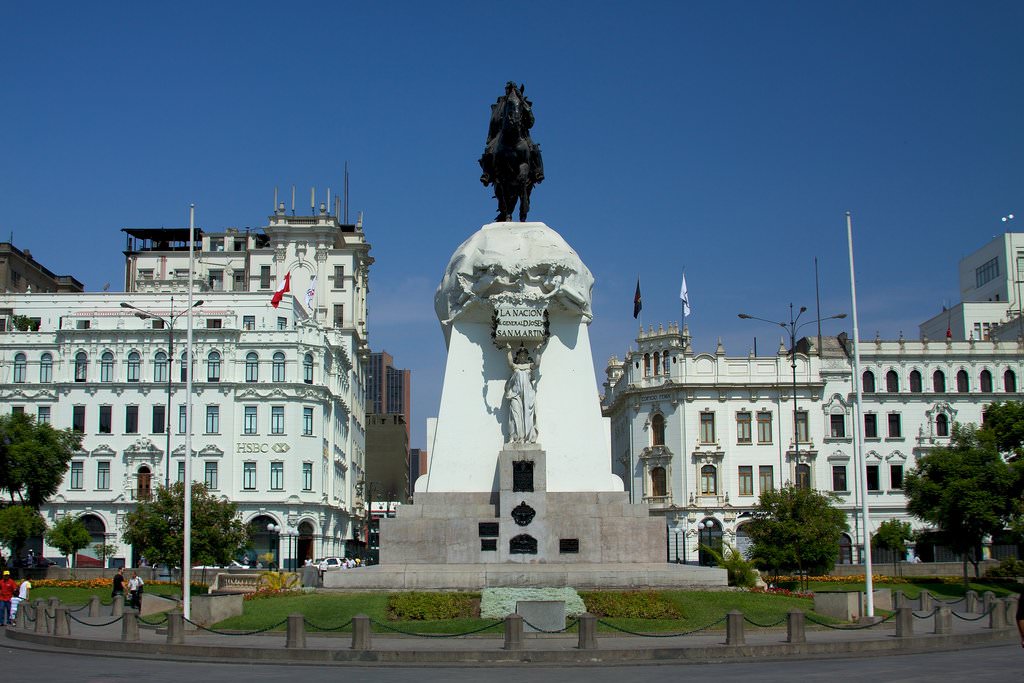 Spanish is the official language in the country. English is not widely spoken. People speak Native American dialects in some areas. A few phrases in Spanish will greatly facilitate communication and will make the locals feel better about tourists.
This article about national traditions in Peru is protected by the copyright law. You can re-use the content, but only under the condition of placement of an active link to www.orangesmile.com.
Fantastic City Tours and Excursions in Peru
Reference information
Map of all churches

Cathedrals and basilicas in Peru
♥ Catedral Nuestra Señora del Rosario, Tacna. On the map
 Photos

♥ Catedral San Pedro, Juli. On the map
Photos
♥ Catedral San Jerónimo, Ica. On the map
Photos
♥ Catedral de la Virgen del Rosario, Abancay. On the map
Photos
♥ Catedral San Antonio, Huancavélica. On the map
Photos
♥ Catedral, Puerto Maldonado. On the map
Photos
♥ Catedral San José en Bellavista, Callao. On the map
Photos
Country maps
Car rental on OrangeSmile.com

Map of cities

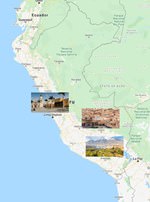
Map of sights

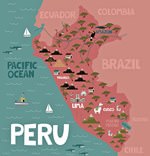
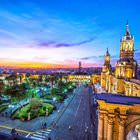
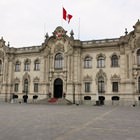
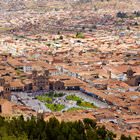
Famous sites of Peru in pictures
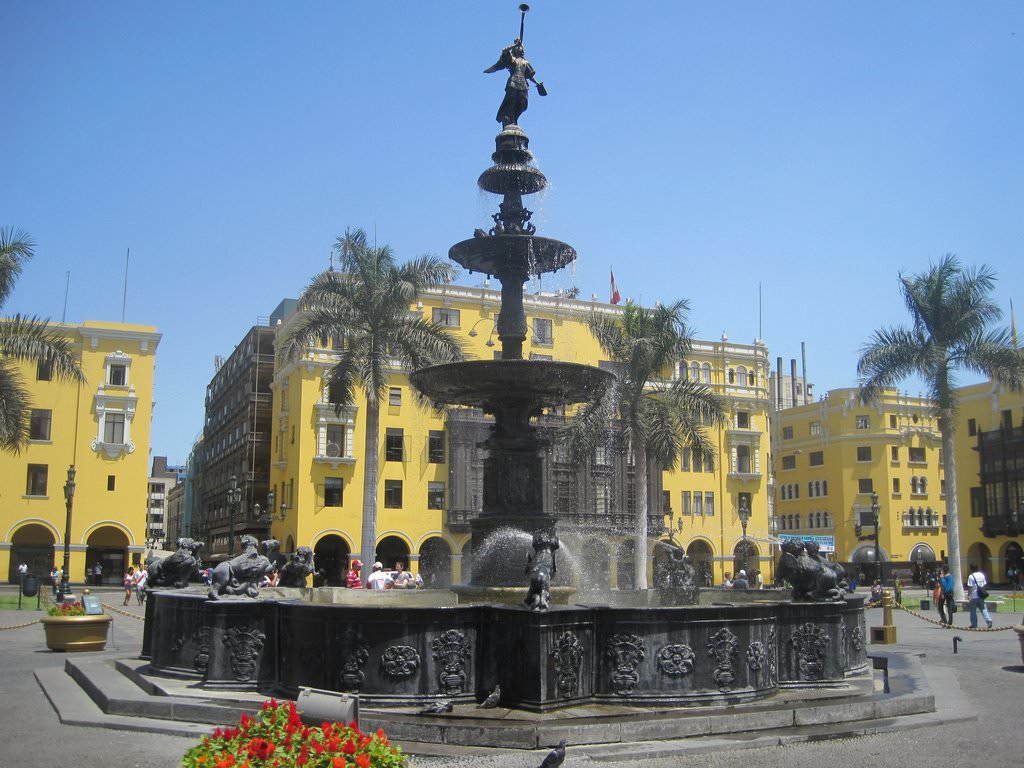

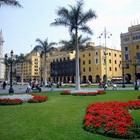
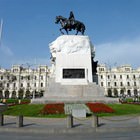
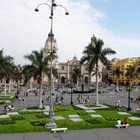
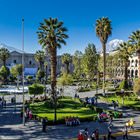
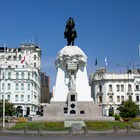
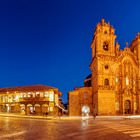
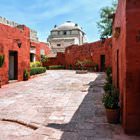
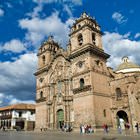
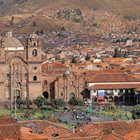
Unique traditions in cities of Peru

Lima
Traveling on city neighborhoods you will notice an interesting feature. The further away from the big city people live, the easier and steadier their lives are. Life of indigenous residents is free of unnecessary hassles. Distance from big cities is making it as simple as possible, but no less interesting. For many Indians the main daily-breader is a river that is associated with major human joys and woes. Among the local population there are sedentary and nomadic tribes of Indians, the … Read more