



Sightseeing in Riga - what to see. Complete travel guide
 Tourists, who are familiar with the history of Riga, will surely understand the meaning of the expression "Riga is the city that must be freed all the time". This shopping center, founded by German merchants, had to survive in different conditions and endured sharp changes in its development. Independence in 1918, arrival of the Red Army in 1940, the second independence in 1991, and, finally, Latvia's joining the EU in 2004 – the history of the city is really rich.
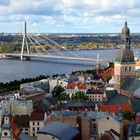
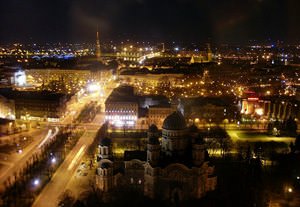
Discovering the architecture of Riga from bird's eye view! Church of St. Peter, National Library of Latvia, Latvian Academy of Sciences, Riga Central Market, Virgin of Anguish Church, all those monuments are defining the image of Riga …  Open
Open
Open
 is full of wonderful houses, small shops and restaurants. Nowadays, this part of Riga is included in the list of world heritage sites by UNESCO. The city on the bank of the Western Dvina, or, as the river is called in Latvia, the Daugava, is home to numerous museums that traditionally attract numerous fans of culture and art. Riga is traditionally known as the most expensive city of the Baltic. Despite this fact, tourists are still recommended to visit the city. The extraordinary hospitality of Riga is one of reasons for that.
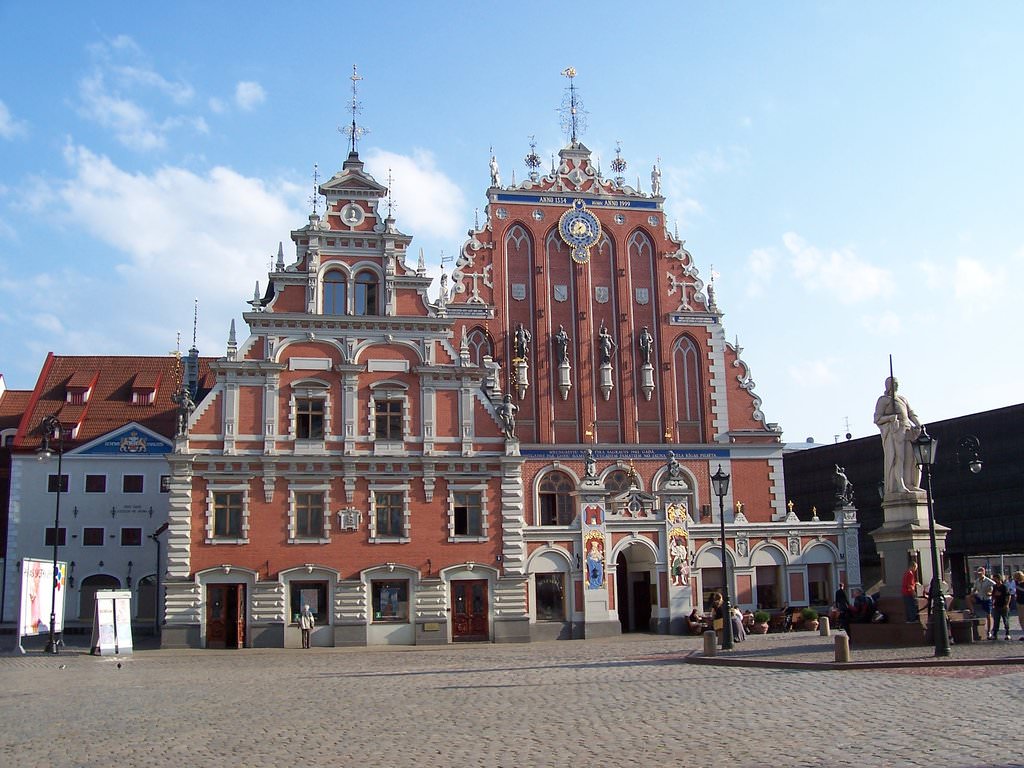
The Great Guild
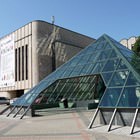
was founded in the 14th century. The building was reconstructed many times in the following years. Currently, the building hosts the National Philharmonic Concert Hall. Copyright www.orangesmile.com
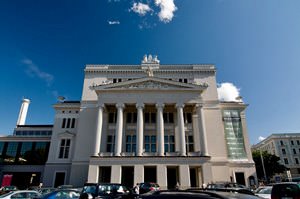
Riga Cathedral, Latvian National Opera, Freedom Monument, Riga Radio and TV Tower, as well as many others, they all become the world's cultural heritage objects and remain as iconic monuments for Riga … Open
Open
was constructed by the city architect of Riga Johann Daniel Felsko in 1866. The last renovation of the building took place in 2000. The interior of the Small Guild is particularly posh. Visitors will find here wonderful stained glass windows, rich chandeliers, and walls decorated with paintings of the city.
 Rigas Doms.
 Rigas Doms
is a wonderful church, which design is an intricate mix of romance, gothic, Renaissance, baroque and classics. The church is the embodiment of the Old Town, of its diversity and uniqueness. The cathedral is equipped with one of the largest organs in the world. Many years ago Franz Liszt himself composed music specifically for this organ.
In Riga, travelers with children will find many exciting entertainments and pleasant surprises. As a rule, families enjoy visiting Spice shopping center. In addition to nearly countless … Open
Open
The architectural ensemble named Three Brothers
, created in the XV, XVII and XVIII centuries, consists of three houses. These are the oldest stone buildings in Riga. The ensemble gives an idea of how people used to live in one of trading and artisan quarters of Riga. After a major restoration that was made in the 50s of the previous century the houses have been turned into architectural museums.
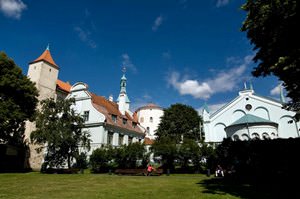 Church of Maria Magdalena.
 The small church of Maria Magdalena
was built in the XIII century. In the XVII century, it was used as a Swedish garrison church. During the Northern War the church was destroyed, but later it was rebuilt again.
Restaurants in Riga are not distinguished by widest choice of delicious dishes and delicacies. Food here is pretty simple, but it is very nourishing and has its own taste benefits. The menu … Open
Open
The Sweden Gate
is the youngest and the only surviving gate from the 25 gates that once existed in Riga. St. Jacob Church
The church of St. Jacob
is the only church in Riga with "the bell on the balcony". The first mention of the church dates back to 1225. The thin and slender tower of the church is really unique because of the church bell that is located outside, and not inside the church. During its long history, the church managed to serve both the Catholics and the Lutherans. After the Reformation in the XVI century, the church hosted first divine services of the Latvian Lutheran community in Riga. Currently, the church belongs to the Catholic Church.
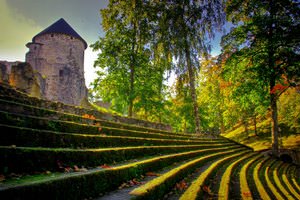 Riga is beautiful in any season, but tourists are usually recommended to visit it in the fall.
This guide to iconic landmarks and sights of Riga is protected by the copyright law. You can re-publish this content with mandatory attribution: direct and active hyperlink to www.orangesmile.com.
City tours, excursions and tickets in Riga and surroundings
Reference information
Map of all shopping areas

Shopping streets in Riga
♥ Shopping area ' Elizabetes iela' Riga, 1.1 km from the center. On the map
Photo

♥ Shopping area ' Dzirnavu iela' Riga, 1.4 km from the center. On the map
Photo
♥ Shopping area ' Terbatas iela' Riga, 1.8 km from the center. On the map
Photo
Map of all parks
National and city parks around Riga
♥ Nature Park 'Beberbeķi' , 2.5 km from the center. On the map
Photo
♥ Nature Park 'Dolessala' , 14.4 km from the center. On the map
Photo
♥ Nature Park 'Piejūra' , 25 km from the center. On the map
Photo
♥ Nature Park 'Ogres Zilie kalni' , 30.4 km from the center. On the map
Photo
♥ Nature Park 'Svētes paliene' , 37.2 km from the center. On the map
Photo
Sights around Riga from our guide 'Extreme places on Earth'
Office of Evolution Gaming
From the series “Futuristic buildings of IT companies”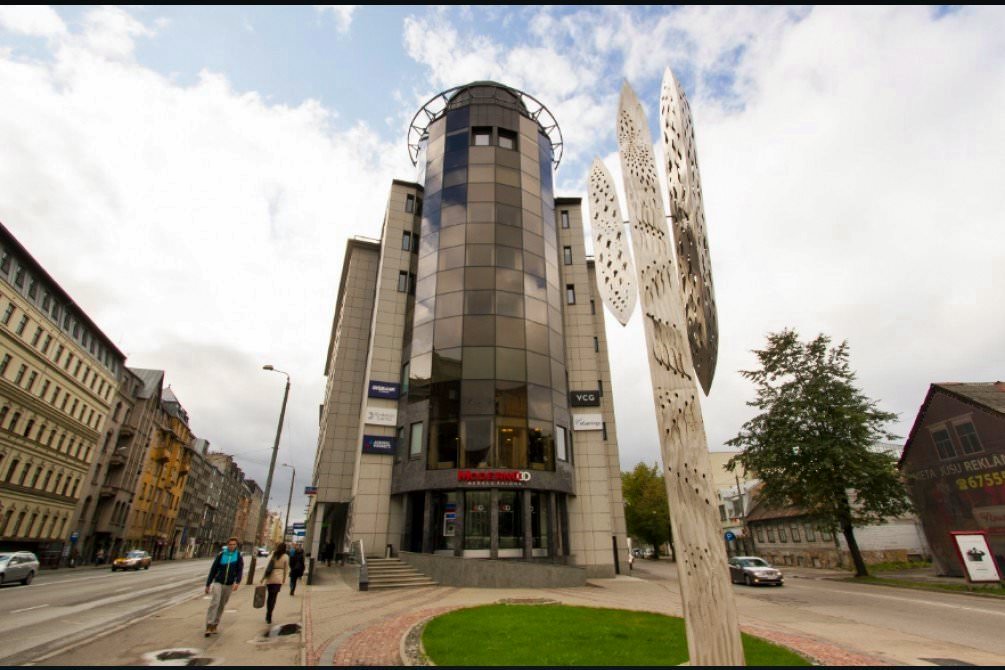
Check on the map: Distance from Riga center - 3 km.
The main feature of the building is the tower located in its side part. Its facade is almost completely lined with mirror tiles. This unusual combination of classic and futuristic elements has made this building a notable city landmark. It is located on one of the busiest central streets, close to popular historical sites in Riga. A small square with an interesting monument is located in front of the building's entrance. Fans of modern architecture can take interesting photos here. …
Read further Distance from Riga center - 3 km.
Car rental on OrangeSmile.com


Saudi Arabia to Open 38 Hotels in Diriyah
Diriyah is one of the first mega projects in Saudi Arabia. Hotels and other infrastructure will start opening next year, and all works are expected to end in 2026. The first 18 restaurants in Bujairi Terrace will start operating already in early 2022. Read this
27.04.2024
Diriyah is one of the first mega projects in Saudi Arabia. Hotels and other infrastructure will start opening next year, and all works are expected to end in 2026. The first 18 restaurants in Bujairi Terrace will start operating already in early 2022.
 Read this
27.04.2024
Search touristic sites on the map of Riga
 All about Riga, Latvia - sightseeings, attractions, touristic spots, architecture, history, culture and cuisine. Prepare your trip together with OrangeSmile.com - find out the 'must see' things in Riga, which places to visit, which excursions to take, where the breathtaking views are waiting for you. Planning your trip with this travel guide will help your to get the most out of Riga in few days.