


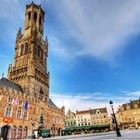
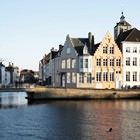
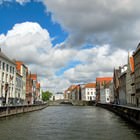
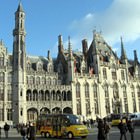
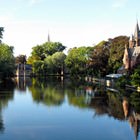
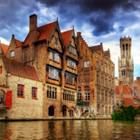
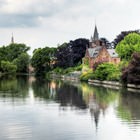
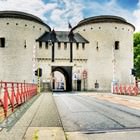
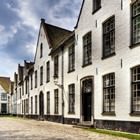


Sightseeing in Brugge - what to see. Complete travel guide
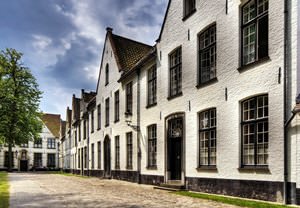 Bruges is located in the Belgium province of West-Flanders that is approximately 2 hours away from Utrecht (Holland). In the 9th century this town was conquered by the Vikings, that's why the name of the city is likely to come from the Scandinavian word 'bryggia' that means 'port'. Bruges is situated not far from the North Sea, so it has become quite an important international trade centre. Later, in the Middle Ages, a big wall was built around Bruges.
Die Swaene is located on a pebble pavement near a picturesque canal. The hotel is surrounded by historic buildings that only add to the heritage of the area. The main hall of Die Swaene has …  Open
Open
Open
Spectacular De Orangerie Hotel is located in a unique historic mansion, the history of which starts yet in the 15th century. Initially, a monastery stood on the site of the mansion, in 1873 … Open
Open
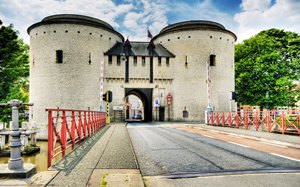 The blood of Jesus is kept in an incredibly beautiful casket of 1817. Jan Crabbe, the master who created the casket, used approximately 30 kg of gold and silver, and more than a hundred of jewels. Every year on Ascension Day a solemn ceremony takes place in Bruges. The procession carries the casket through the streets of the city. The museum located nearby is a great place to learn the detailed history of the relic and the basilica. One can also look at the silver crown of the 15th century, which was presented by Maria of Burgundy, and some other interesting paintings.
Relais Bourgondisch Cruyce Hotel had been a popular hotel before the famous movie “In Bruges” came out. Nowadays, one needs to book rooms in advance to be able to stay there. The wood … Open
Open
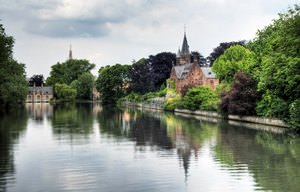 Halve Maan. Halve Maan is a brewery, where the sort of beer called Brugse Zot (you can taste it in Bruges only) is produced. Long time ago the brewery also produced another sort of beer - Straffe Hendrik. However, nowadays this beer is not produced anymore. Since 1564 this brewery has been located in the same building at Walplein Square, in the historical center of Bruges. Nowadays, the excursions to the brewery have become very popular. Of course, beer degustation is the culmination of every excursion.
Let yourself be charmed by the most romantic hotel in Europe. Relais Bourgondisch Cruyce is elegantly decorated with valuable antiquities, exclusive artworks, premium furniture and … Open
Open

This guide to iconic landmarks and sights of Brugge is protected by the copyright law. You can re-publish this content with mandatory attribution: direct and active hyperlink to www.orangesmile.com.
City tours, excursions and tickets in Brugge and surroundings
Reference information
Map of all shopping areas

Shopping streets in Brugge
♥ Shopping area ' Steenstraat' Brugge, 0.3 km from the center. On the map
 Photo
Photo

Map of all castles
Survived castles around Brugge
♥ Castle 'Tillegem Castle' , 4.1 km from the center. On the map
Photo
♥ Castle 'Male Castle' , 4.1 km from the center. On the map
Photo
♥ Castle 'Loppem Castle' , 6 km from the center. On the map
Photo
♥ Castle 'Oostkerke Castle' , 8.8 km from the center. On the map
Photo
♥ Castle 'Wijnendale Castle' , 18.5 km from the center. On the map
Photo
Map of all parks
National and city parks around Brugge
♥ National Park 'Oosterschelde' , 64 km from the center. On the map
Photo
♥ National Park 'Grenspark de Zoom - Kalmthoutse Heide' , 84.9 km from the center. On the map
Photo
♥ Regional Nature Park 'Scarpe-Escaut' , 88.5 km from the center. On the map
Photo
♥ Regional Nature Park 'Avesnois' , 126.3 km from the center. On the map
Photo
Map of all art museums
Art galleries in Brugge and around
♥ Art museum 'Groeningemuseum' Bruges, 0.4 km from the center. On the map
Photo
♥ Art museum 'Old St John’s Hospital' Bruges, 0.5 km from the center. On the map
Photo
Sights around Brugge from our guide 'Extreme places on Earth'
Oudenaarde Town Hall
From the series “Gothic Architecture – Magnificent Monuments”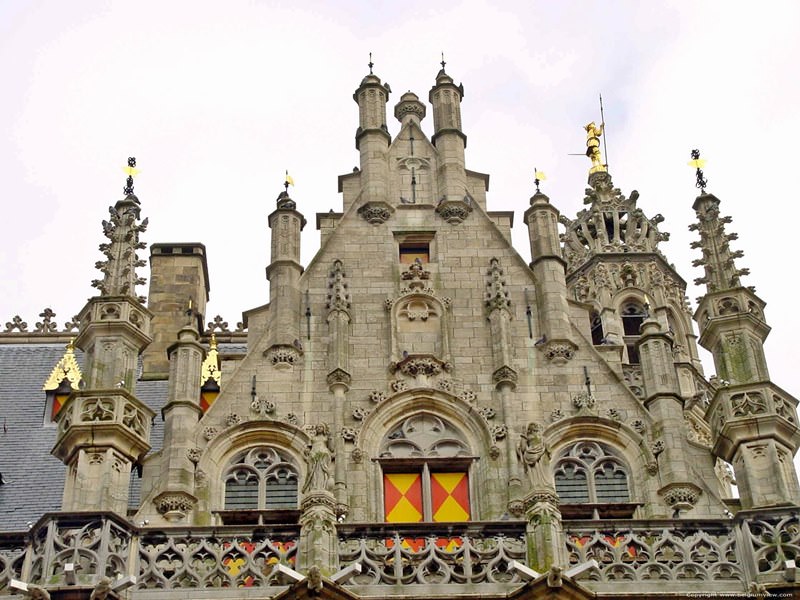
Check on the map: Distance from Brugge center - 48 km.
There are no so many outstanding historical sites in Oudenaarde. Its old part is a single and unique architectural complex. The old town hall is the starting point for many sightseeing programs. A beautiful fountain runs in front of the town hall during the warmer months. It is also an important historical landmark. …
Read further Distance from Brugge center - 48 km.
Vogelenzangpark 17bis
From the series “Ubelievable Residential Houses Residing on Trees”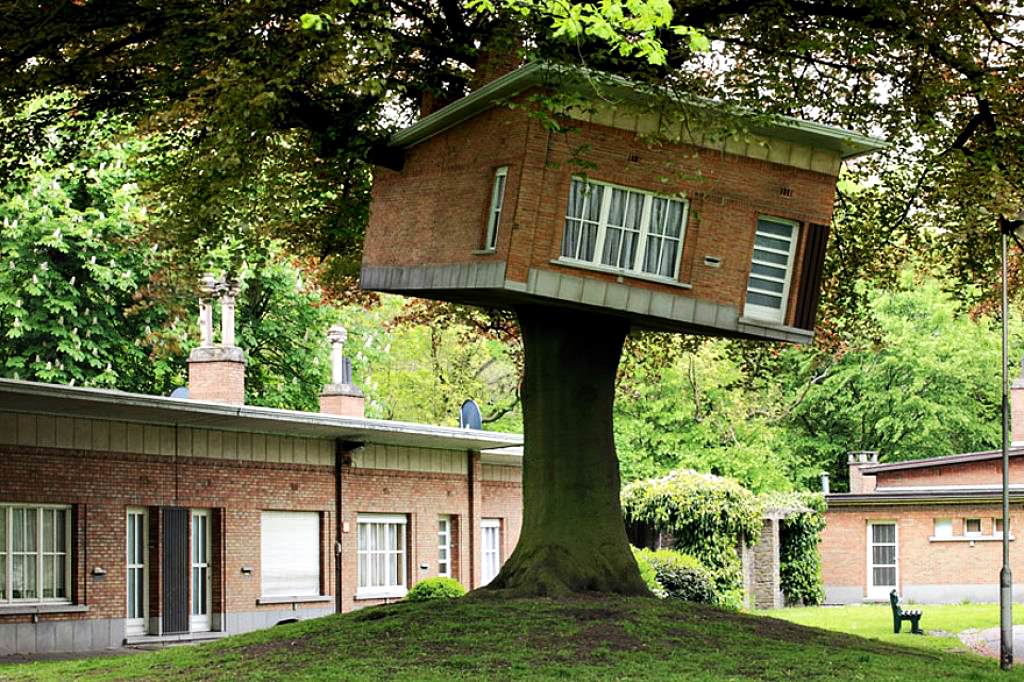
Check on the map: Distance from Brugge center - 38 km.
The monument is no less popular. Every day curious tourists come here to take interesting photos. The impressive sculpture and the adjoining old building are surrounded by an incredibly beautiful park, through which you can stroll at any time of the year. Here grow majestic, old trees, in the shadow of which comfortable recreation zones have been equipped with benches, as well as other no less remarkable sculptures. …
Read further Distance from Brugge center - 38 km.

Search touristic sites on the map of Brugge
 All about Brugge, Belgium - sightseeings, attractions, touristic spots, architecture, history, culture and cuisine. Prepare your trip together with OrangeSmile.com - find out the 'must see' things in Brugge, which places to visit, which excursions to take, where the breathtaking views are waiting for you. Planning your trip with this travel guide will help your to get the most out of Brugge in few days.