
- Hotels
- Air Tickets
- Car Rentals
- Trip Packages
- City Guide
- About Us
- Online Service: + 31 645 45 70 25; support@orangesmile.com
- FAQ: Flights
- Making bookings
- Canceling booking
- Confirming booking
- Payments & fees
- Types of fares
- Tickets & docs
- Contacting us
- FAQ: Trips
- Change booking
- Cancel booking
- Refunds
- Credit cards
- Children & Infants
- Package details
- Contacting us
CONVERTER
WE ACCEPT


Airline Tickets to Dublin
Airline tickets to Dublin: SPECIFY YOUR DEPARTURE
|
|
DESTINATION: Dublin, ireland
Dublin city guide: sightseeings and touristic places
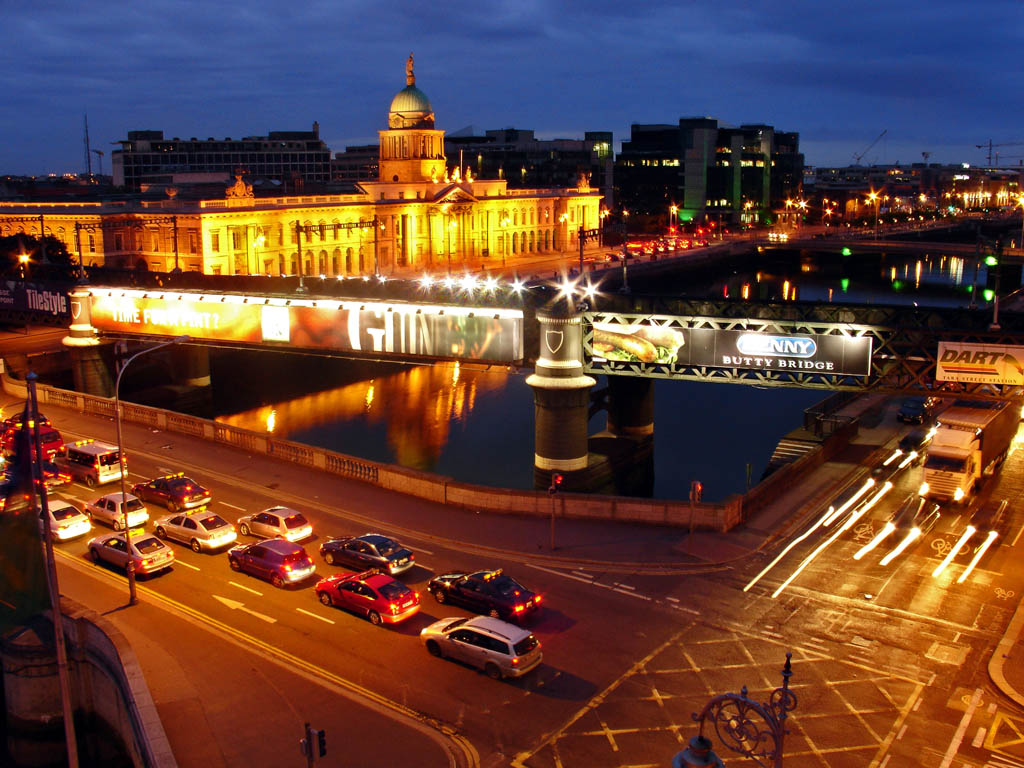 Dublin is both the largest city and capital of Ireland. Founded as a Viking settlement, the city has been the main Irish city for the most part of the island's history since the medieval times. Nowadays thousand-year-old Dublin is still in the lead. It is an administrative, economic and cultural centre of Ireland and has one of the fastest growing populations in Europe. Thriving from success of the 'Celtic Tiger' economy, Dublin has demonstrated an amazing economic growth over the last 15 years.
However, Dublin has not always been a prosperous city. In the first half of the 20th century, the city was involved in a violent separation from the Great Britain. In spite of numerous political attempts to stabilize the situation, the north of the country still suffers from religious and political conflicts.
Dublin has managed to combine extensive funding from the European Union with financial acumen to stimulate significant economical growth. The main industries are pharmaceutics, information and communications technology. Historically, Dublin has always been associated with brewing, particularly with well-known Guinness beer. It has been brewed at the St. James's Gate Brewery since 1759.
It is easy to understand why so many tourists annually visit Dublin. This vibrant and fun-loving city offers much to see and to do for everyone! Dublin is a fascinating blend of tradition and contemporary Irish life. You can enjoy the historical heritage like castles and churches and relax in cafés and clubs.
Read further about Dublin in our City Guide ...
Dublin Airport Information
Airport Address: Dublin Airport, County Dublin, Ireland
Distance and Location: The airport is located 10km (6 miles) north of Dublin
Airport Website: www.dublin-airport.com
Airport E-mail: customer.relations-dublin@aer-rianta.ie
Airport Telephone: (0)1 814 1111
Country Code: 353
Time Zone: GMT (GMT + 1 from the last Sunday in March to the last Sunday in October)
Total Number of Terminals: 1
Dubai >> Dubrovnik >> Dusseldorf >> Edinburgh >> Eindhoven >> Erfurt
Our services in Dublin
Interactive map of Dublin
OrangeSmile.com reservation system provides online search and reservation facilities to book cheap airline tickets to Dublin. The complete range of flying classes is provided: budget economy class, business class and first class. The last-minute air tickets with discounts to Dublin are also available. Our database includes all the special offers, deals and hot rates provided by the airlines.
Compare the airticket rates to Dublin from all airlines and book the best option.
Book your flight ticket for a business or vacation trip to Dublin online.