



Sightseeing in Tallinn - what to see. Complete travel guide
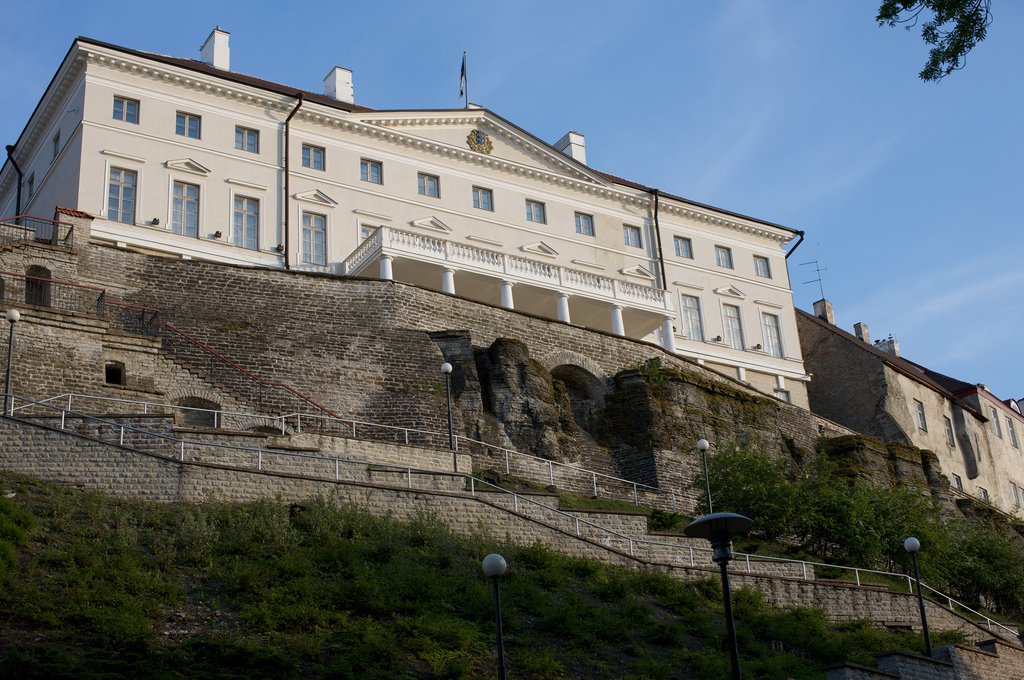
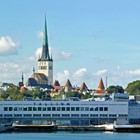
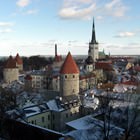
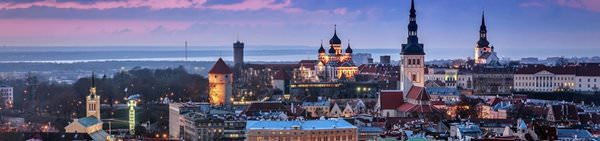
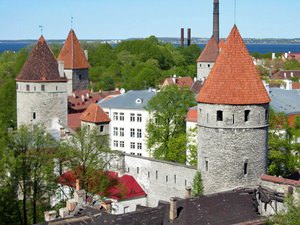 Thanks to the well-preserved walls and a special atmosphere of the thousand-year old city, Tallinn looks like a medieval museum in the open air. Toompea Hill has become home to numerous old buildings and little narrow streets. According to UNESCO, the center of Tallinn is the best-preserved medieval center in whole Northern Europe. Surprisingly, the city wall of Tallinn has survived till our days almost completely safe. Due to a small size of the city, almost all the attractions of the Estonian capital can be visited within a day.
There are many modern shopping complexes in Tallinn, but Rocca al Mare is one of the biggest and most popular. The grand opening of the complex took place in 1998. Seven years later, Rocca …  Open
Open
Open
Winding cobblestone streets of Old Tallinn are very popular with tourists. The historical center of the city
 , which is surrounded by the city wall, is divided into two parts – Toompea , located on Toompea Hill, the former residence of aristocracy, and the Lower Town. The center of Tallinn, which was mostly built in the XI century, has survived till our days in an excellent condition thanks to thick stone walls of the city. These walls were a good protection against frequent attacks. This is the place where visitors will find magnificently beautiful Town Hall and the oldest pharmacy located nearby. The pharmacy was built in 1422!
built in the XIII century. Several centuries ago this was the tallest church of the medieval Europe. In the XVI century the old city wall with its numerous bastions was one of the best defensive structures in Northern Europe. Toompea Hill is also home to one of the main symbols of Tallinn - the beautiful Russian Orthodox Alexander Nevsky Cathedral. St. Catherine's Passage , located between Vene and Muurivahe Streets is the best place to feel the medieval atmosphere of the Old Town. This is a perfect place for an unhurried walk. Tourists may also enjoy watching how craftsmen work. Copyright www.orangesmile.com
, which is surrounded by the city wall, is divided into two parts – Toompea , located on Toompea Hill, the former residence of aristocracy, and the Lower Town. The center of Tallinn, which was mostly built in the XI century, has survived till our days in an excellent condition thanks to thick stone walls of the city. These walls were a good protection against frequent attacks. This is the place where visitors will find magnificently beautiful Town Hall and the oldest pharmacy located nearby. The pharmacy was built in 1422!
built in the XIII century. Several centuries ago this was the tallest church of the medieval Europe. In the XVI century the old city wall with its numerous bastions was one of the best defensive structures in Northern Europe. Toompea Hill is also home to one of the main symbols of Tallinn - the beautiful Russian Orthodox Alexander Nevsky Cathedral. St. Catherine's Passage , located between Vene and Muurivahe Streets is the best place to feel the medieval atmosphere of the Old Town. This is a perfect place for an unhurried walk. Tourists may also enjoy watching how craftsmen work. Copyright www.orangesmile.com
Discovering the architecture of Tallinn from bird's eye view! Alexander Nevsky Cathedral, St. Nicholas Church, St Mary Cathedral, Kiek in de Kok, Kadriorg Palace, all those monuments are defining the image of Tallinn … Open
Open
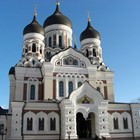
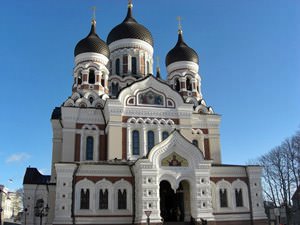
Alexander Nevsky Cathedral
is the biggest and the most beautiful domed cathedral in Tallinn. This luxuriously decorated Orthodox church features a combination of different historical styles. The cathedral was built in 1900 on Toompea Hill during the period when Estonia was ruled by Czarist Russia. Russian architect Mikhail Preobrazhensky, a representative of the St. Petersburg school, was the author of the project. The cathedral was named in honor of Alexander Nevsky, a Novgorod prince, who got the much needed victory in 1241 during the battle at Lake Peipus. During this event, known as the Battle of the Ice, Russian army defeated Livland Germans. Before the construction of the church, this place was occupied by a garden dedicated to Martin Luther. The cathedral’s bell tower with 11 bells, the largest of which weighs 15 tons, is the most powerful ensemble of bells in the city. The sound of the bells can be heard before each divine service. Do not forget to look at icons and mosaics of the cathedral.
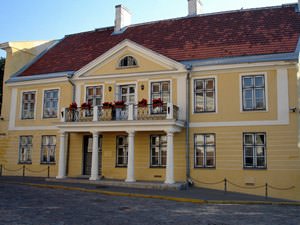 The Great Guild.
 The building of the Great Guild
was the second largest secular building of the medieval Tallinn after the Town Hall. The Great Guild was an organization that united rich merchants of the city and protected business of the guild’s members. The mayor of Tallinn and the most important officials in the city were selected from the members of the guild. Only wealthy citizens of Tallinn who had a wife and a house were permitted to join the Great Guild. Foreigners, who wanted to join the organization, had to marry widows of dead members of the guild. The hall of the Great Guild was built in 1407-1417, and its size and decoration are the evidence of the great power that the guild had at the time. Nowadays, the building looks exactly like it did in the XV century. Visitors are usually amazed by the magnificent facade with a coat of arms and a bronze knocker. These days, the building houses the Museum of History, the permanent exhibition of which throws light upon the history of Estonia to the XVIII century.
Tallinn Town Hall, St. Olaf Church, Tallinn TV Tower, as well as many others, they all become the world's cultural heritage objects and remain as iconic monuments for Tallinn … Open
Open
The House of the Brotherhood of Blackheads
is one of the few buildings in the Renaissance style in Tallinn that have survived till our days. The Brotherhood appeared in 1399. It united young lone traders, who were waiting for their turn to be accepted in the “Big Guild”. Foreign merchants, who were temporarily living in Tallinn, were also allowed to enter the brotherhood. The name of the brotherhood appeared because of its patron, Saint Mauritius (he was black), a Christian martyr who died in 280 AD in Switzerland. The brotherhood operated only in Estonia and Latvia, and nothing is known about this organization in the rest of Europe. The members of the organization left the country in 40s of the XX century. The House of the Brotherhood of Blackheads was restored in 1597. During the restoration the building received a facade made in the Dutch Renaissance style. The beautiful front door of the building was added in 1640. Do not forget to pay a special attention to the main hall of the building as it has wonderful vaulted ceilings and two aisles built in the XV century. In 1908, the inner premises of the building were restored, and its interiors were made in the neoclassical style.
 The City Museum is the most modern and the most interesting museum dedicated to the history of Tallinn. This is the place where visitors will hear about the most important facts about the history and development of the city. The museum describes different aspects of medieval society and its exhibition is supported by various text documents, layouts and sound effects. The items exhibited on the upper floors of the museum are devoted to the life of Estonia in the XX century – large wars, the Soviet period, and the country's independence.
Tallinn is an excellent destination for tourists with children as they will be able to enjoy interesting entertainment, from traditional museum excursions to observation of unique historical … Open
Open
Tallinn Botanical Gardens
occupies a territory of over 110 hectares. The garden is home to approximately 8000 species of plants. The garden’s arboretums, greenhouses and outdoor flower beds have become home to plants from different parts of the world. This is the place where one can walk through a desert, a tropical rain forest and even a savanna. Tallinn Botanical Garden hosts continuously updated exhibitions and themed tours every month. The flavors of summer night and days of roses are usually the most popular with visitors. 
This guide to iconic landmarks and sights of Tallinn is protected by the copyright law. You can re-publish this content with mandatory attribution: direct and active hyperlink to www.orangesmile.com.
City tours, excursions and tickets in Tallinn and surroundings
Reference information
Map of all castles

Survived castles around Tallinn
♥ Castle 'Tallinn Toompea Castle' , 0.6 km from the center. On the map
Photo

♥ Castle 'Koluvere Castle' , 68.7 km from the center. On the map
Photo
♥ Castle 'Suomenlinna' Helsinki, 80.4 km from the center. On the map
Photo
♥ Castle 'Sibbesborg' , 80.8 km from the center. On the map
Photo
Map of all parks
National and city parks around Tallinn
♥ National park 'Lahemaa rahvuspark' , 61.9 km from the center. On the map
Photo
♥ National Park 'Nuuksion kansallispuisto' , 97.4 km from the center. On the map
Photo
♥ National Park 'Sipoonkorven kansallispuisto' , 100.4 km from the center. On the map
Photo
♥ National park 'Matsalu rahvuspark' , 103.6 km from the center. On the map
Photo
♥ National park 'Soomaa rahvuspark' , 106.1 km from the center. On the map
Photo
Map of all art museums
Art galleries in Tallinn and around
♥ Art museum 'Adamson-Eric Museum' Tallinn, 0.8 km from the center. On the map
Photo
♥ Art museum 'Niguliste Museum' Tallinn, 0.9 km from the center. On the map
Photo
♥ Art museum 'Kadriorg Art Museum' Tallinn, 3.6 km from the center. On the map
Photo
♥ Art museum 'Mikkel Museum' Tallinn, 3.6 km from the center. On the map
Photo
♥ Art museum 'Kumu Art Museum' Tallinn, 3.9 km from the center. On the map
Photo
Sights around Tallinn from our guide 'Extreme places on Earth'
Depeche Mode Bar
From the series “The Most Extraordinary Bars and Café on the Planet”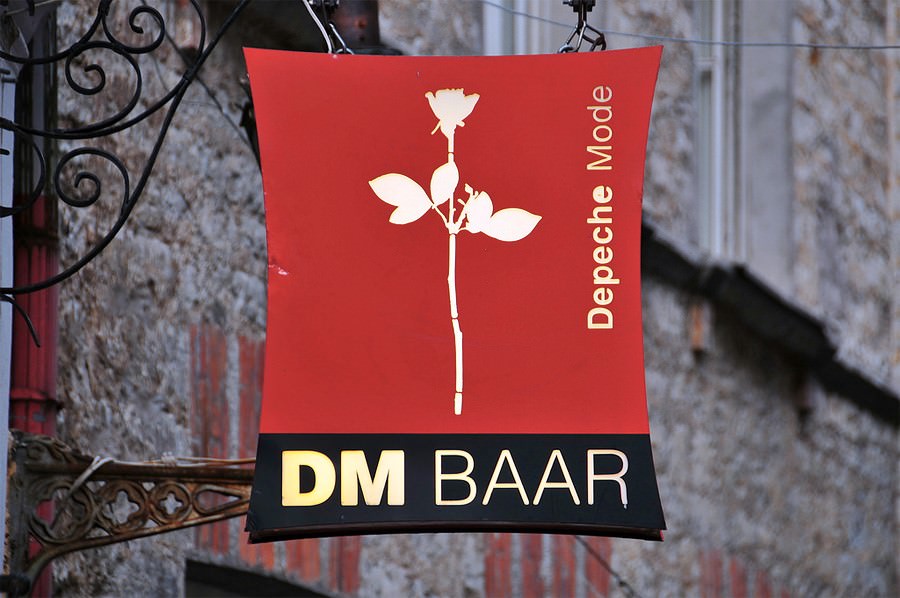
Check on the map: Distance from Tallinn center - 0.9 km.
The cocktail menu is also special. All the original drinks are named in honor the well-known group's songs. If the cocktail named in honor your favourite song is not on the list, the barman will make it up special for you. The bar was open in 1999 by the fans of the group. Within two years after the opening, the bar wasn’t popular. There came just owners’ close friends and core fans of the group. All changed in 2001 when the members of the group "Depeche Mode" has visited this bar before the concert. Since that, the small cozy bar in a basement turned into a cult-favourite bar and always has visitors. …
Read further Distance from Tallinn center - 0.9 km.
Sightseeing in Estonia: things to see
 Many beautiful buildings and culture centres are located in the territory of Narva. The Narva Castle has been the symbol of the city for more than 500 years. The city has rich and glorious war part, so the majority of its museums and monuments are related to war or military actions.
… Open
Many beautiful buildings and culture centres are located in the territory of Narva. The Narva Castle has been the symbol of the city for more than 500 years. The city has rich and glorious war part, so the majority of its museums and monuments are related to war or military actions.
… Open
Car rental on OrangeSmile.com

Search touristic sites on the map of Tallinn
 All about Tallinn, Estonia - sightseeings, attractions, touristic spots, architecture, history, culture and cuisine. Prepare your trip together with OrangeSmile.com - find out the 'must see' things in Tallinn, which places to visit, which excursions to take, where the breathtaking views are waiting for you. Planning your trip with this travel guide will help your to get the most out of Tallinn in few days.