




Sightseeing in Helsingborg - what to see. Complete travel guide
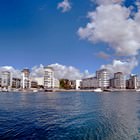
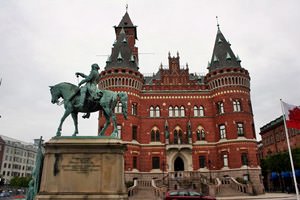 This city is located in the southern part of the country. This is a major trading port, a famous industrial and transportation center. First mentions of Helsingborg refer to the beginning of the 11th century.
Due to the fact this city has an advantageous trading and strategic location, its territory has always attracted the attention of numerous countries. In the 13th century the Danes built a fortress in the central part of the city. With the help of this fortress they have controlled the access to the Baltic Sea. The city was damaged badly during the Danish-Swedish war. The city was added to the territory of Sweden in 1710. At that time Helsingborg has almost completely laid in ruins. Right after the war the city had been struck by the plague, which killed thousands of local residents. Helsingborg managed to recover after these tragic events only in the second half of the 19th century. It started developing into a famous trading area. Here have been opened several steel mills and factories dedicated to ceramics manufacturing.
While walking in such remarkable places you will see numerous restaurants and cafes, in which you can relax and share experiences about the excursions you have participated in. Nightlife fans will find much fun is numerous nightclubs and discos. Shopping fans will surely find an interesting avenue or retail space in any part of the city.
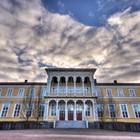
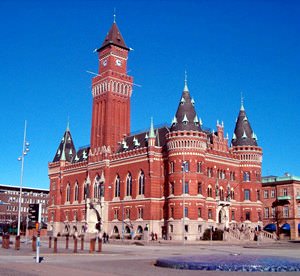 One of the oldest constructions in the city is the House of Jacob Hazen built in 1641. This beautiful house in the national style has preserved its original appearance. Today, the historic building serves as a hotel. There is a restaurant on the ground floor. The historical hotel is distinguished by its large conference center where important business meetings are held.
The architectural monument of the later period is the villa of consul Persson that was built in 1848. Initially, the villa belonged to one of the rich local counts. Then, in 1916, the construction came under the responsibility of the municipal government. In the first half of the 20th century, the building is occupied by offices of one of the large companies and then by a music school. Today, this historic building belongs to the University of Helsingborg.
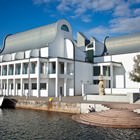
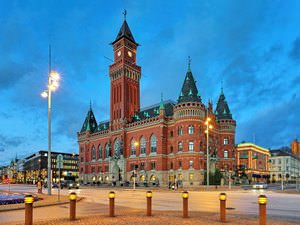 When walking along the North Harbor, you can visit the Dunker Culture House. It is distinguished by its impressive size and offers its visitors a lot of interesting entertainments. Every day, different cultural and entertaining events including special programs for children are held here. The significant part of this building is used for organizing exhibitions. There is also a popular restaurant and pub in the culture house. It is very interesting to visit the culture house during different festivals and national holidays.
The fans of historical attractions will be definitely impressed by the old Sofiero Castle that was the royal family’s residence once. The first castle at its site was built in the early Middle Ages. By the middle of the 19th century, it had already laid in ruins. In 1865, the fortress was reconstructed. At that time, it belonged to Prince Oscar. In the late 19th century, there was a luxurious garden around the castle. It has been surprising with its beauty for over 100 years.
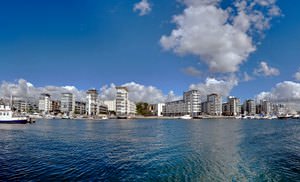 In the territory of the picturesque garden, there is the old Fredriksdal Mansion built at the end of the 18th century. Today, it is occupied with the most interesting museums in the town. The mansion houses the interesting collection of antique relics. The mansion also houses unique antique furniture, old paintings and statues, crockery and different household items that belonged to the villa owners before.
This guide to iconic landmarks and sights of Helsingborg is protected by the copyright law. You can re-publish this content with mandatory attribution: direct and active hyperlink to www.orangesmile.com.
City tours, excursions and tickets in Helsingborg and surroundings
Reference information
Map of all castles

Survived castles around Helsingborg
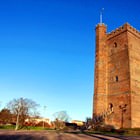
♥ Castle 'Kärnan' , 0.2 km from the center. On the map
 Photo
Photo

♥ Castle 'Sofiero Palace' , 4.5 km from the center. On the map
Photo
♥ Castle 'Kronborg Denmark' , 5 km from the center. On the map
Photo
♥ Castle 'Marienlyst Palace' , 6.2 km from the center. On the map
Photo
♥ Castle 'Gurre Castle' , 12.6 km from the center. On the map
Photo
Map of all parks
National and city parks around Helsingborg
♥ National Park 'Söderåsen' , 34.3 km from the center. On the map
Photo
♥ National Park 'Dalby Söderskog' , 57.2 km from the center. On the map
Photo
♥ National Park 'Store Mosse' , 154.4 km from the center. On the map
Photo
Map of all art museums
Art galleries in Helsingborg and around
♥ Art museum 'Louisiana Museum of Modern Art' Humlebæk, 13.3 km from the center. On the map
Photo
♥ Art museum 'Nivaagaards Malerisamling' Nivå, 18.1 km from the center. On the map
Photo
Sights around Helsingborg from our guide 'Extreme places on Earth'
Turning Torso
From the series “Twisted Spiral Buildings and Towers That Are Real”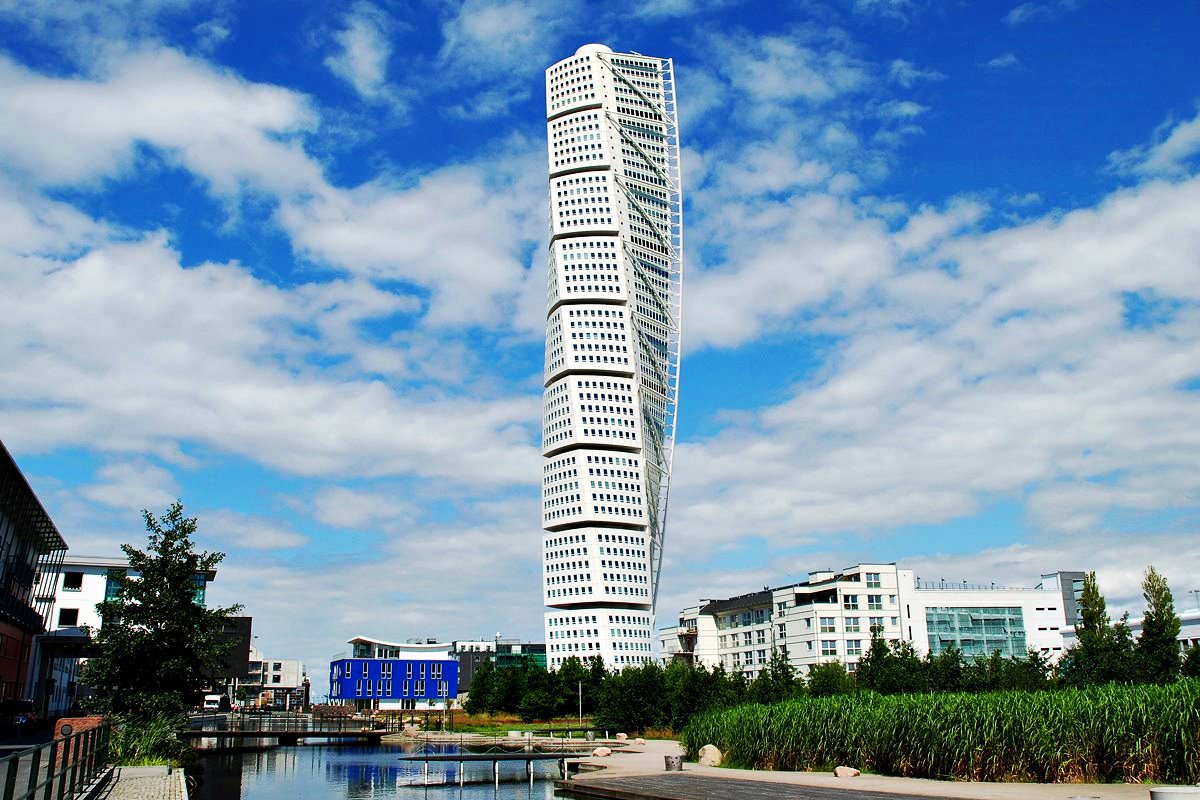
Check on the map: Distance from Helsingborg center - 51.5 km.
The place of construction of the skyscraper has also been chosen by chance. A few years ago on the site of the building one could see a unique Kockumskranen crane. It was indispensable in the construction of ships and became a real symbol of the city. When in 2002 the construction company Burmeister & Wain went bankrupt, the crane was sold to Korea for a symbolic price - 1 dollar. The Turning Torso skyscraper that appeared in its place became a new symbol of the city and entered the number of the most incredible architectural constructions of our time. …
Read further Distance from Helsingborg center - 51.5 km.

Frederiksberg Slot
From the series “Impressive Castles and Palaces Located on Water”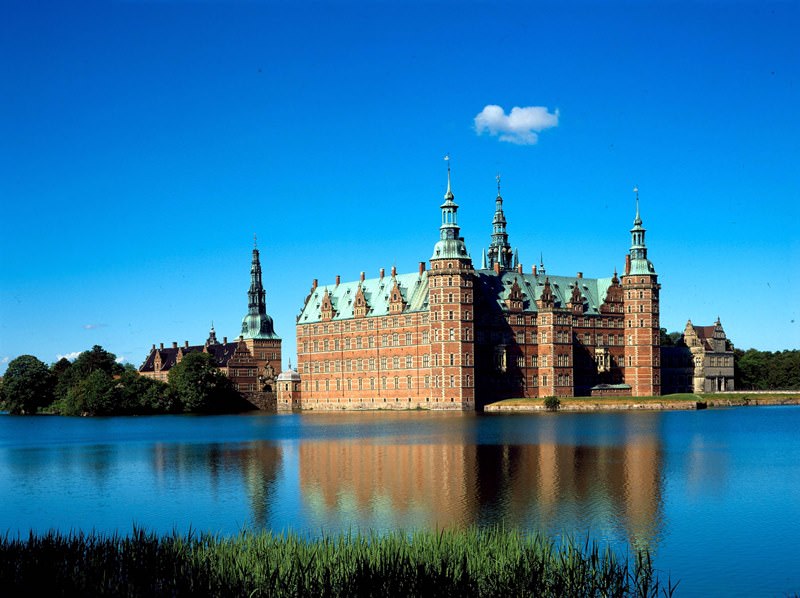
Check on the map: Distance from Helsingborg center - 43.5 km.
In the middle of the 19th century the palace was damaged by the fire, which completely destroyed a series of the original building. The old church, which preserves a multitude of precious treasures, has escaped the fire by a miracle. Among the other places worth seeing are the Marmorgalerie and the picturesque inner courtyard, where the fountain of Neptune is located. …
Read further Distance from Helsingborg center - 43.5 km.
Car rental on OrangeSmile.com

Thailand Relaxes Its COVID-19 Policy
New Year events in Thailand are likely to bring more people this year because everyone is tired of lockdowns and craving normal life. Many tourists, who book hotels in Pattaya, Krabi, or Phuket for the holiday season, also want to participate. As champagne has become an essential drink for New Year celebrations, the question regarding alcohol consumption comes to mind. The government allowed serving alcoholic drinks during the New Year countdown but only open-air cafes and restaurants with good ventilation will be permitted to do this until 1 am on 1 January 2022. This rule is nationwide. Read this
28.04.2024
New Year events in Thailand are likely to bring more people this year because everyone is tired of lockdowns and craving normal life. Many tourists, who book hotels in Pattaya, Krabi, or Phuket for the holiday season, also want to participate. As champagne has become an essential drink for New Year celebrations, the question regarding alcohol consumption comes to mind. The government allowed serving alcoholic drinks during the New Year countdown but only open-air cafes and restaurants with good ventilation will be permitted to do this until 1 am on 1 January 2022. This rule is nationwide.
 Read this
28.04.2024
Search touristic sites on the map of Helsingborg
 All about Helsingborg, Sweden - sightseeings, attractions, touristic spots, architecture, history, culture and cuisine. Prepare your trip together with OrangeSmile.com - find out the 'must see' things in Helsingborg, which places to visit, which excursions to take, where the breathtaking views are waiting for you. Planning your trip with this travel guide will help your to get the most out of Helsingborg in few days.