



Sightseeing in Buenos Aires - what to see. Complete travel guide
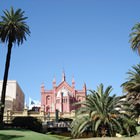
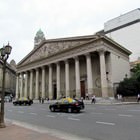
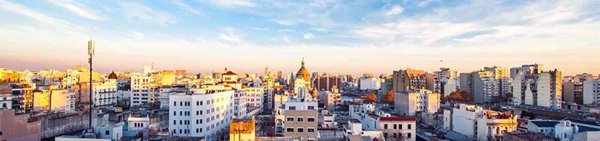
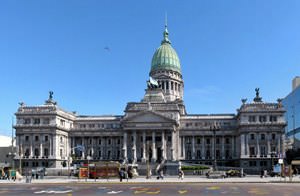 The capital of Argentina has the full right to be called the liveliest city in South America. Life here does not stop even for a second. Corrientes Avenue is the place where tourists will find numerous cafes, kiosks, theatres, and shops. All of them are opened from morning till night. Even buses go there without a night pause. Buenos Aires certainly has European charm – this city combines the spirit of Paris, Rome, and Madrid. However, there is nothing surprising in this fact - the majority of portenos (native people use this word to call themselves) originate from 'the Old World'. Buenos Aires has a population of almost 3 million people, but if we take into account the population of the city’s suburbs, then the figure will grow to more than 12 million.
The history of the mansion, which is currently known as Mansion Dandi Royal, started yet in 1903. Originally, the building was an amazing example of Spanish style. In 2006, the mansion was …  Open
Open
Open
Since 1932 Alvear Palace has been amazing its visitors with everlasting luxury and elegance. This is one of the most famous hotels in Argentina. The hotel’s desire to be the best in … Open
Open
 The Obelisk. The enormous Obelisk located at the intersection of 9 de Julio and Corrientes avenues is, without any doubt, the most famous monument in Buenos Aires. This is also the symbol of the city. The monument was created in May 1936 in order to honour the 400th anniversary of the foundation of the city. The Obelisk is located in the centre of the Plaza de la República. The first Argentina flag is also located here. The Obelisk is 67 m tall and its square is approximately 49 sq. m. Not far from this monument you will find Jorge Luis Borges' House.
Boutique hotel Mine Hotel is a great place for couples. Owners of the hotel do everything possible to make travelers feel like home and to enjoy the stylish design of the hotel. The romantic … Open
Open
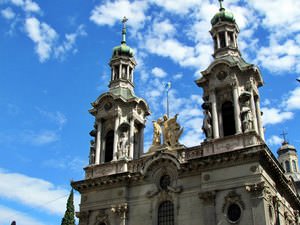
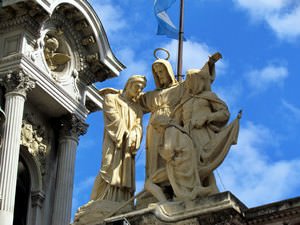 San Telmo. Once San Telmo, the oldest district in Buenos Aires, used to be the place, where the elite lived. In 1870, during the epidemic of yellow fever, the aristocracy left San Telmo and moved to the north of the city. A lot of emigrants rushed into this area and the houses of the rich were turned into «conventillos». In 1970 some of these historical buildings were restored. Nowadays, San Telmo is a picturesque area with antique shops, Colonial architecture and plenty of ancient churches (for example, San Pedro Telmo). Some streets are still cobbled. Visiting San Telmo on Sunday is a great idea, because on this day Plaza Dorrego, the heart of the district, turns into a flea market and the streets are crowded with jugglers and tango dancers. Travellers, who are fond of tango, should definitely visit famous tango cafes, such as El Viejo Almacén, Michelangelo, La Casa Blanca and La Casa Rosada.
In Buenos Aires, there are lots of interesting markets, large shopping centers and specialized shops. Abasto is the largest and most beautiful city's shopping center. It is located in a … Open
Open
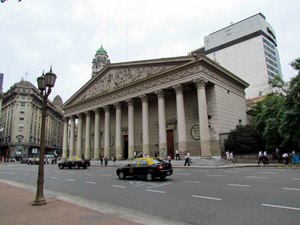 La Boca. La Boca is the most outstanding district of Buenos Aires. It was built by Italian immigrants along the Riachuelo, a meandering canal. Many years ago numerous storehouses and meat-processing factories were situated along the banks of the canal. Nowadays, La Boca is mostly famous for its original houses, which were built from tin and were painted in bright colours. Different art works are displayed for sale virtually everywhere. This is the place where one can find a lot of souvenir shops, beerhouses and restaurants. The influence of the Italian culture can be felt right at every step here. The special atmosphere and beautiful views of La Boca attract hundreds of tourists every day.
This guide to iconic landmarks and sights of Buenos Aires is protected by the copyright law. You can re-publish this content with mandatory attribution: direct and active hyperlink to www.orangesmile.com.
City tours, excursions and tickets in Buenos Aires and surroundings
Reference information
Map of all shopping areas

Shopping streets in Buenos Aires
♥ Shopping area ' Córdoba Avenue' Buenos Aires, 8.1 km from the center. On the map
 Photo
Photo

♥ Shopping area ' Avenida Santa Fe' Buenos Aires, 9 km from the center. On the map
Photo
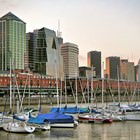
♥ Shopping area ' Puerto Madero' Buenos Aires, 9.4 km from the center. On the map
Photo
♥ Shopping area ' Recoleta' Buenos Aires, 9.5 km from the center. On the map
Photo
♥ Shopping area ' Avenida Alvear' Buenos Aires, 10.1 km from the center. On the map
Photo
Map of all parks
National and city parks around Buenos Aires
♥ Provincial Park 'La Florida' , 4.5 km from the center. On the map
Photo
♥ Nature Park 'Pampa del Indio' , 8.1 km from the center. On the map
Photo
♥ Provincial Park 'Esmeralda' , 9.6 km from the center. On the map
Photo
♥ National Park 'Ibera' , 11.8 km from the center. On the map
Photo
♥ Provincial Park 'Presidente Sarmiento' , 13 km from the center. On the map
Photo
Map of all art museums
Art galleries in Buenos Aires and around
♥ Art museum 'Buenos Aires Museum of Modern Art (MAMBA)' Buenos Aires, 8.5 km from the center. On the map
Photo
♥ Art museum 'Ernesto de la Cárcova Museum of Reproductions and Comparative Sculpture' Buenos Aires, 9.8 km from the center. On the map
Photo
♥ Art museum 'National Museum of Decorative Arts' Buenos Aires, 10 km from the center. On the map
Photo
♥ Art museum 'Museo Nacional de Bellas Artes' Buenos Aires, 10.2 km from the center. On the map
Photo
♥ Art museum 'Museo de Arte Hispanoamericano Isaac Fernández Blanco' Buenos Aires, 10.3 km from the center. On the map
Photo
Sights around Buenos Aires from our guide 'Extreme places on Earth'
Burger King in Buenos Aires
From the series “The Most Unusual Restaurants of Fast Food Chains”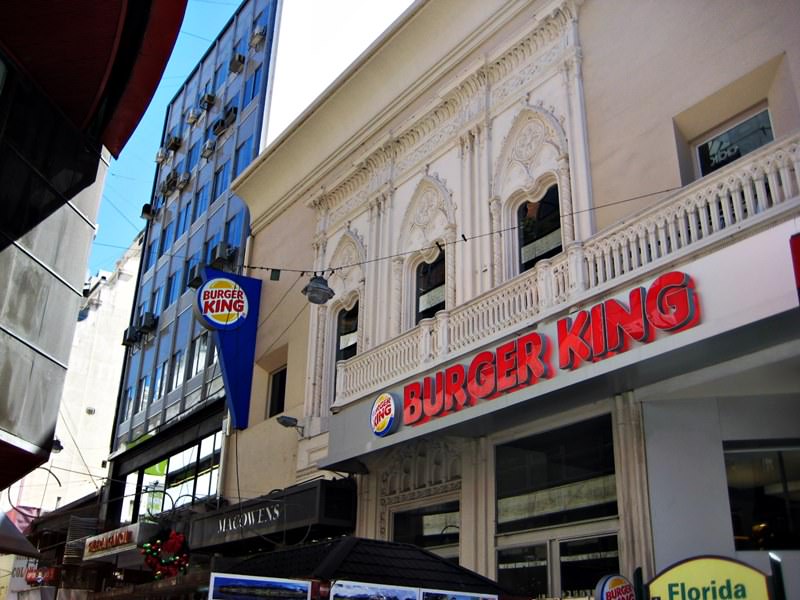
Check on the map: Distance from Buenos Aires center - 10 km.
Opening of the restaurant in the historical building took place more than 20 years ago, over the years its interior has changed many times. Today, the dining room, located on the first floor of the building, looks more modern, and in the hall on the second level there is still a refined aristocratic atmosphere. Burger King in Buenos Aires can safely be called the most luxurious fast-food restaurant in the world. …
Read further Distance from Buenos Aires center - 10 km.
Templo Libertad Synagogue
From the series “The most luxury and famous synagogues”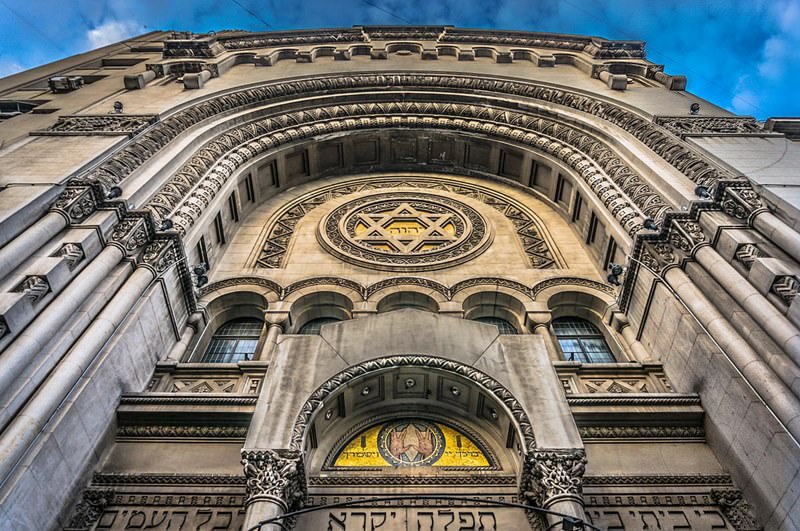
Check on the map: Distance from Buenos Aires center - 9.2 km.
Another important cultural institution is located next to a religious monument. This is the Dr. Salvador Kibrick Jewish Museum. You can see an interesting collection of historical, artistic, and religious exhibits in this museum. The interesting museum was opened in 1967. A significant part of the exhibition is made up of personal belongings of Jewish immigrants. They migrated to Argentina in the 19th century. You can also see their saved documents. …
Read further Distance from Buenos Aires center - 9.2 km.
Sightseeing in Argentina: things to see
 Salta is another popular tourist destination in Argentine. This city is mostly famous because of several important churches and monuments. Every year thousands of pilgrims arrive in Salta to visit San Francisco Church, San Bernardo Church and numerous Jesuit temples. Some churches are said to have supernatural power. For example, the statue of Virgin Mary and Jesus can cure different diseases according to locals and pilgrims.
… Open
Salta is another popular tourist destination in Argentine. This city is mostly famous because of several important churches and monuments. Every year thousands of pilgrims arrive in Salta to visit San Francisco Church, San Bernardo Church and numerous Jesuit temples. Some churches are said to have supernatural power. For example, the statue of Virgin Mary and Jesus can cure different diseases according to locals and pilgrims.
… Open
Car rental on OrangeSmile.com

Saudi Arabia to Open 38 Hotels in Diriyah
Diriyah is one of the first mega projects in Saudi Arabia. Hotels and other infrastructure will start opening next year, and all works are expected to end in 2026. The first 18 restaurants in Bujairi Terrace will start operating already in early 2022. Read this
27.04.2024
Diriyah is one of the first mega projects in Saudi Arabia. Hotels and other infrastructure will start opening next year, and all works are expected to end in 2026. The first 18 restaurants in Bujairi Terrace will start operating already in early 2022.
 Read this
27.04.2024
Search touristic sites on the map of Buenos Aires
 All about Buenos Aires, Argentina - sightseeings, attractions, touristic spots, architecture, history, culture and cuisine. Prepare your trip together with OrangeSmile.com - find out the 'must see' things in Buenos Aires, which places to visit, which excursions to take, where the breathtaking views are waiting for you. Planning your trip with this travel guide will help your to get the most out of Buenos Aires in few days.