
- Hotels
- Air Tickets
- Car Rentals
- Trip Packages
- City Guide
- About Us
- Online Service: + 31 645 45 70 25; support@orangesmile.com
- FAQ: Flights
- Making bookings
- Canceling booking
- Confirming booking
- Payments & fees
- Types of fares
- Tickets & docs
- Contacting us
- FAQ: Trips
- Change booking
- Cancel booking
- Refunds
- Credit cards
- Children & Infants
- Package details
- Contacting us
CONVERTER
WE ACCEPT


Tour & Travel Packages to Athens
TRAVEL PACKAGES TO Athens
SPECIFY YOUR SEARCH:
TRAVEL DESTINATION: Athens, Greece
Athens city guide: sightseeings and touristic places
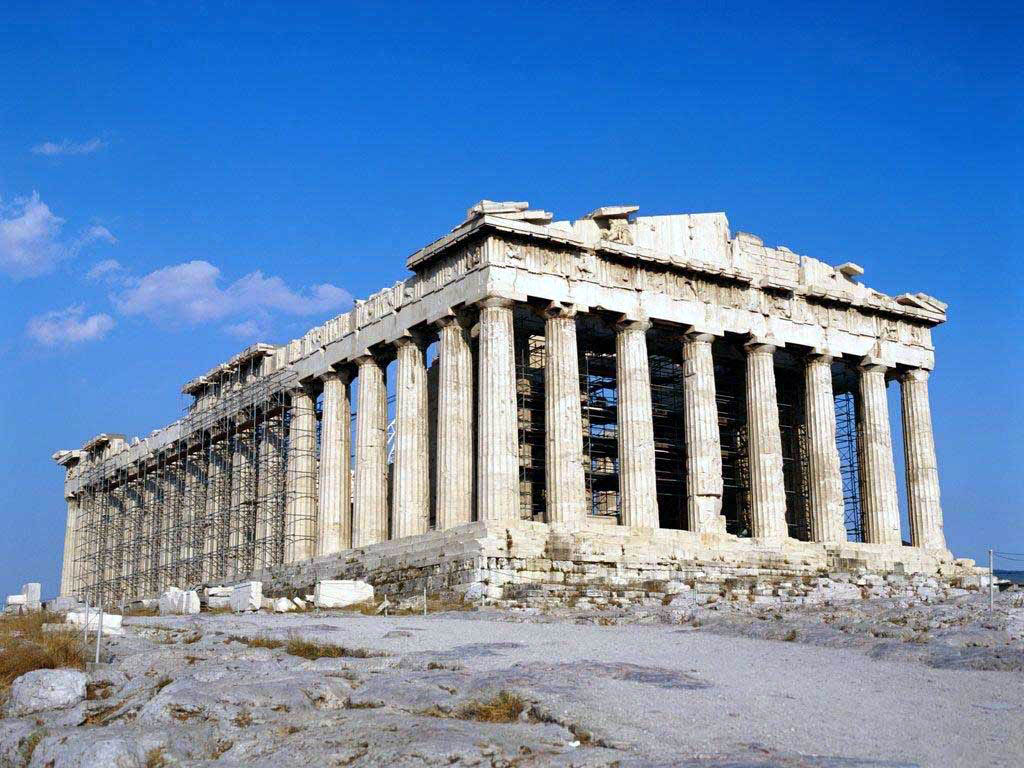 The Temple of Zeus. In about 500 m to the south of the Acropolis the Temple of Zeus (or as it's usually called the Olympion) is situated. The temple was worked at for several centures and only in the 2nd century (during the reign of imperator Adrian) it was complitely built. At those times the Temple of Zeus was the largest building in whole Greece, its length came to 96m, it's width was 40m, the building was decorated by 104 17-metered Corinthian columns, to our time only the ruins of the 15th and 16th columns remained. Even before the building of temple was finished Roman general Sulla took 2 columns to Rome, so as to decorate the Temple of Jupiter with them, after it Corinthian style became very popular in Rome.
Imperator Adrian built the Greek temple in favor of Zeus. By his order in the temple an enormous statue of Zeus was placed. The statue of Zeus was decorated with gold and ivory by the way near Zeus there was the statue of the imperator, which actually had the same height. In immediate proximity to the temple a 18-metered marble arch of Adrian is located, it's the symbol of the power of the imperator. The arch of Adrian divides the New Rome and the Ancient Rome, the title on the side that faces the Acropolis says: 'This is Athens, the ancient town of Theseus', and on the other side it's written: 'This town is not of Theseus, but of Adrian'.
Plaka. Plaka is the oldest area in Athens; it's located between the acropolis and the Temple of Zeus. Its short and cozy streets with a lot of souvenir shops and restaurants attract a great number of tourists. Plaka is the most picturesque area in Athens, where you don't feel that you are in the city with population of about 4 million people. Anafiotika, which is famous for its snow-white houses, is a special place here. The legend says that Delphian oracle forbad building houses there, but two homeless builders, that were looking for shelter in Plaka, due to their mastery managed to build a small house for the night. When in the morning guardsmen came, they felt sorry for the builders and decided not to banish them. Since then a rule was laid down: if you managed to build a shelter for a night, you may stay there.
Monastiraki. To the north of Plaka Monastiraki area is located. It has a lot in common with a bazaar (especially on Sundays), when hundreds of tradesmen bring their goods for sale. The market itself is situated on the Avyssinia Square and on the streetnearby (it's a little bit westerly from Monastiraki Square). After having a walk across Plaka and Monastiraki in daytime, it would be a good idea to spend the evening in Psyrri or Gazi areas, which are located hereabouts. There you can find a lot of restaurants, bars and clubs, in which the Greek spend almost all thier freetime. But be careful, if you come to Plaka at carnaval time, you risk to be sprinkled with confetti!
Read more about Athens in our City Guide ...
Athens Airport Data
Airport Address: Athens Eleftherios Venizelos International Airport, Administration Building 17, Spata 19019, Greece
Distance and Location: The airport is located 33km (20 miles) southeast of Athens
Airport Website: www.aia.gr
Airport E-mail: airport_info@aia.gr
Airport Telephone: (0)210 353 0000 or 353 0001
Country Code: 30
Time Zone: GMT + 2 (GMT + 3 from the last Sunday in March to the last Sunday in October)
Total Number of Terminals: 2
Moving between Terminals: An underground walkway connects the Main Terminal with the Satellite Terminal.
Antwerpen >> Atlanta >> Auckland >> Augsburg >> Avignon >> Bangkok
Our services in Athens
Interactive map of Athens
OrangeSmile.com travel packages engine enables creation of your own custom tour reservation to Athens, including the hotel booking, airline tickets and car rentals. Our system contains all hot deals and special offers provided by our hotels, airlines and car suppliers. Compare various travel options to Athens and book the best one for your trip.