
Languages:


Car Rental at 'Costa Rica - Ciudad Quesada'
'Costa Rica - Ciudad Quesada': Hiring Vehicle
Searching best rental offer in Costa Rica
You can specify required rental date and time, vehicle category, pick-up/return location criteria in the white form above. In case your return location is different from the pick-up location, check the box 'Different Drop Off Location?'.
The preset location address: Costa Rica - Ciudad Quesada, Costa Rica, area 'Costa Rica - Ciudad Quesada'.
Alteration of the current rental location can be performed in three ways:
-by entering your desired destination in the 'Pick-up' field;
-by following the links to location pages shown below;
-by using the Costa Rica interactive map on the left.
Rental process in Costa Rica
Car hire system OrangeSmile.com offers vehicles for rent at the rental location 'Costa Rica - Ciudad Quesada'. We carefully maintain largest up-to-date database with actual offers from most of the rental suppliers in Costa Rica. Due to this, we are able to find the best and cheapest rental options for your specified location and dates.
Reservation can be done in three fast and simple steps - search by your dates and location in Costa Rica, select a car, and input your personal data. Upon reception of your order, we will send you a confirmation voucher by email. Before completing your reservation, please check the rental conditions of the selected car carefully.
Upon arrival to the 'Costa Rica - Ciudad Quesada' rental office, please provide your confirmation voucher, driving license and credit card to an officer. The credit card is required for payment and deposit. The deposit amount is usually equivalent to the amount of the largest insurance franchise specified in your voucher.
Before leaving the office at the pick-up time, verify the invoice issued by the officer and compare the invoice data with the data in your voucher!
Car pick-up: inspect the car body, wheels, windows and interior for chips, scratches, dents and other defects. Validate that all found defects are described in your rental document.
We wish you a great driving experience on the roads of Costa Rica!
Frequently asked questions on the rental process

Reservation can be done in three fast and simple steps - search by your dates and location in Costa Rica, select a car, and input your personal data. Upon reception of your order, we will send you a confirmation voucher by email. Before completing your reservation, please check the rental conditions of the selected car carefully.
Upon arrival to the 'Costa Rica - Ciudad Quesada' rental office, please provide your confirmation voucher, driving license and credit card to an officer. The credit card is required for payment and deposit. The deposit amount is usually equivalent to the amount of the largest insurance franchise specified in your voucher.
Before leaving the office at the pick-up time, verify the invoice issued by the officer and compare the invoice data with the data in your voucher!
Car pick-up: inspect the car body, wheels, windows and interior for chips, scratches, dents and other defects. Validate that all found defects are described in your rental document.
We wish you a great driving experience on the roads of Costa Rica!
Frequently asked questions on the rental process
Typical models of OrangeSmile.com vehicles in Costa Rica
 Mini & economy hatchback:
Hyundai Getz, Hyundai Atos and Nissan Micra
Mini & economy hatchback:
Hyundai Getz, Hyundai Atos and Nissan Micra
 Compact & intermediate sedan:
Hyundai Elantra, Toyota Avensis and Toyota Corolla
Compact & intermediate sedan:
Hyundai Elantra, Toyota Avensis and Toyota Corolla
 Full-size saloon & station wagon:
Pontiac Grand Prix, Chevrolet Impala and Hyundai Sonata
Full-size saloon & station wagon:
Pontiac Grand Prix, Chevrolet Impala and Hyundai Sonata
 Premium & luxury limousine:
Ford Grand Marquis, Buick Lucerne CXL and Lincoln Towncar
Premium & luxury limousine:
Ford Grand Marquis, Buick Lucerne CXL and Lincoln Towncar
 Minivan & minibus, 7-15 pax:
GMC Envoy 7 passenger, Ford Galaxy 7 seater and Chevrolet Uplander
Minivan & minibus, 7-15 pax:
GMC Envoy 7 passenger, Ford Galaxy 7 seater and Chevrolet Uplander
 SUV, crossover & off-road vehicle:
Chrysler Journey, Chevrolet Blazer and Daihatsu Terios
SUV, crossover & off-road vehicle:
Chrysler Journey, Chevrolet Blazer and Daihatsu Terios
 Cabriolet, roadster & convertible:
Chrysler Sebring Convertible, Ford Mustang Convertible and Renault Megane Cabriolet
Cabriolet, roadster & convertible:
Chrysler Sebring Convertible, Ford Mustang Convertible and Renault Megane Cabriolet
Rental locations near Costa Rica
Over the sights of San Jose by car
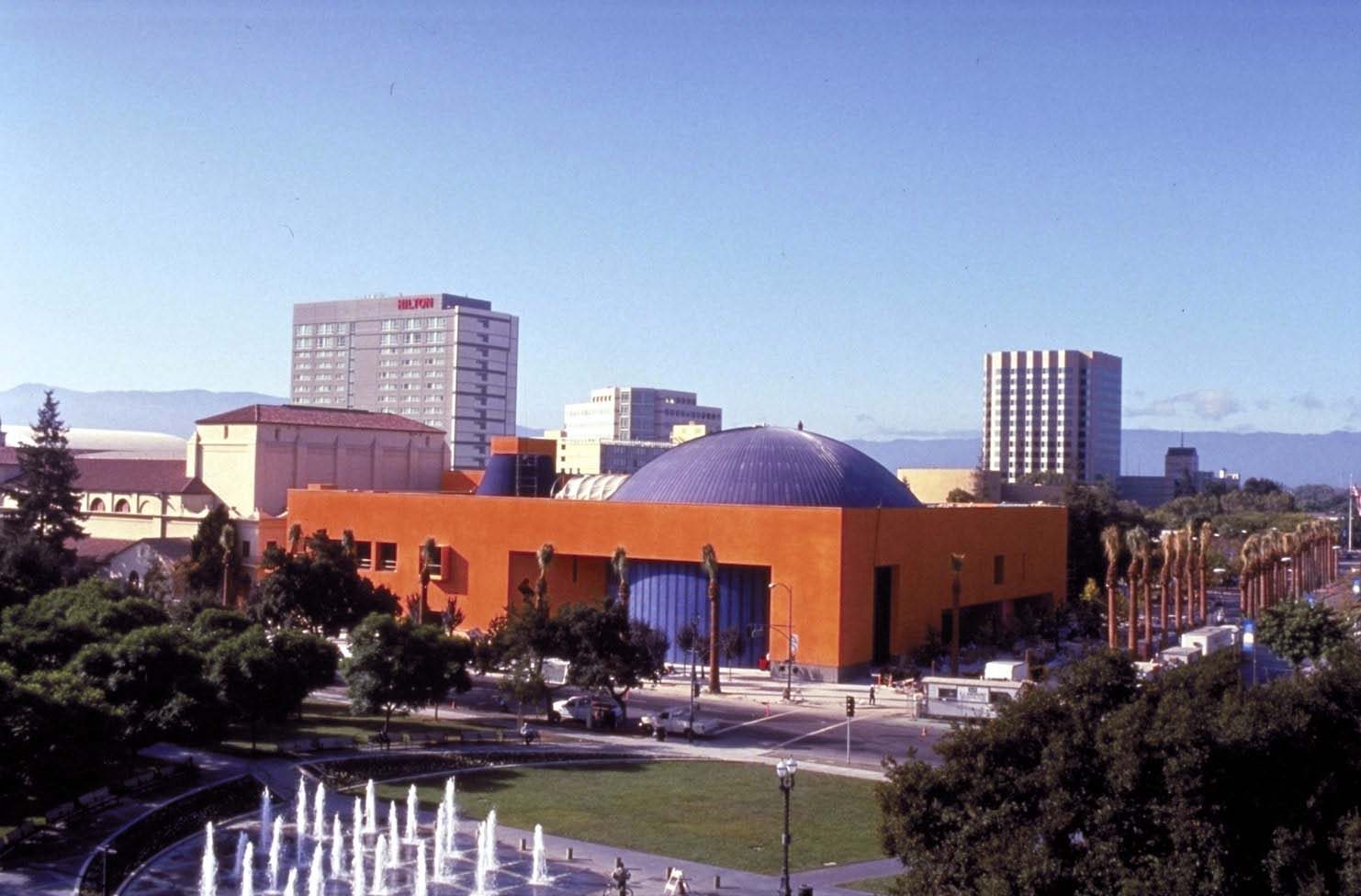

Visiting the village of Ujarras, or rather its ruins (Ruinas de Ujarras), is highly recommended to history lovers. Here you can find the ruins of one of the oldest churches in the country, which was built in 1580. There are several legends associated with the erection of the shrine. It is claimed, for example, that local fishermen had found here a painting of the Virgin Mary. That became a reason to build the church exactly where the artifact was found. It is believed that the Mother of God saved the locals more than once, for instance, during the attack of the famous pirate Henry Morgan in 1666. In 1833, a flood occurred in the village. This resulted in the locals moving to another place – the village of Paraiso. The church stayed as a silent witness of those events. Nevertheless, it was not always abandoned and alone. Solemn masses in honor of the Virgin Ujarras are held here April 14th every year.
Read further...
Common questions
Rental conditions
Payment
Changing your booking
Cancelling your booking
Confirmation voucher
Crossing borders
Fuel conditions
Age restrictions
Extra services
Insurance types
Driving license
What does the price include
Payment
Changing your booking
Cancelling your booking
Confirmation voucher
Crossing borders
Fuel conditions
Age restrictions
Extra services
Insurance types
Driving license
What does the price include

HELPDESK
+31 4040 15044
support@orangesmile.com
YOUR BENEFITS
BEST PRICE GUARANTEE
WIDE CHOICE: 25000 HIRE POINTS
BOOKING IN 3 SIMPLE STEPS
INSTANT CONFIRMATION
ONLINE SUPPORT
500.000+ SATISFIED CLIENTS


Car Types
Car hire in Costa Rica
» San Jose CR: 12 rental offices
» Guanacaste: 10 rental offices
» Tamarindo: 4 rental offices
» Jaco: 3 rental offices
» Puntarenas: 3 rental offices
» Costa Rica: 3 rental offices
» Mal Pais: 3 rental offices
» Puerto Limon: 2 rental offices
» Alajuela: 2 rental offices
» Santa Ana: 2 rental offices
» Quepos: 2 rental offices
» Escazu: 2 rental offices
» Liberia: 2 rental offices
» Guapiles - Hotel Suerre: 1 rental office
» Tambor: 1 rental office
» Guanacaste: 10 rental offices
» Tamarindo: 4 rental offices
» Jaco: 3 rental offices
» Puntarenas: 3 rental offices
» Costa Rica: 3 rental offices
» Mal Pais: 3 rental offices
» Puerto Limon: 2 rental offices
» Alajuela: 2 rental offices
» Santa Ana: 2 rental offices
» Quepos: 2 rental offices
» Escazu: 2 rental offices
» Liberia: 2 rental offices
» Guapiles - Hotel Suerre: 1 rental office
» Tambor: 1 rental office