




Sightseeing in Plovdiv - what to see. Complete travel guide
 A miraculous city of artists, Plovdiv is one of the oldest cities in whole Europe. For many years, it has been the center of attraction for thousands of travelers. The city, indeed, has much to offer to its guests – unique historical landmarks, ultra-modern entertainment complexes, magnificent nature, and the inimitable national heritage of the area. Plovdiv has an incredibly large number of historical landmarks – there are more than 200 sites that have the status of landmarks of the national importance. Locals have managed to preserve many magnificent historical buildings, and museums of Plovdiv exhibit true treasures – priceless historical artifacts and artworks.
You can find places with dishes of Bulgarian, Turkish, Greek, Russian, Serbian and other cuisines of neighboring countries in Plovdiv. Many migrants live here. They are ready to introduce …  Open
Open
Open
Many events take place in Plovdiv. For example, the Specialized Exhibition of Flowers, Ornamental Plants, Garden Equipment and Supplies takes place here in March. Everyone who is fond of … Open
Open
 is one of the most important historic symbols of Plovdiv. It’s a typical venue for numerous festivals and national celebrations. Nebet Tepe is the heart of the ancient town. Many centuries ago, it was a Thracian fortress. Unfortunately, only fragments of the walls have survived till our days. As Plovdiv belonged to Turkey for several years, there are several magnificent mosques in the city, with Imaret Mosque being one of the most attractive and popular.
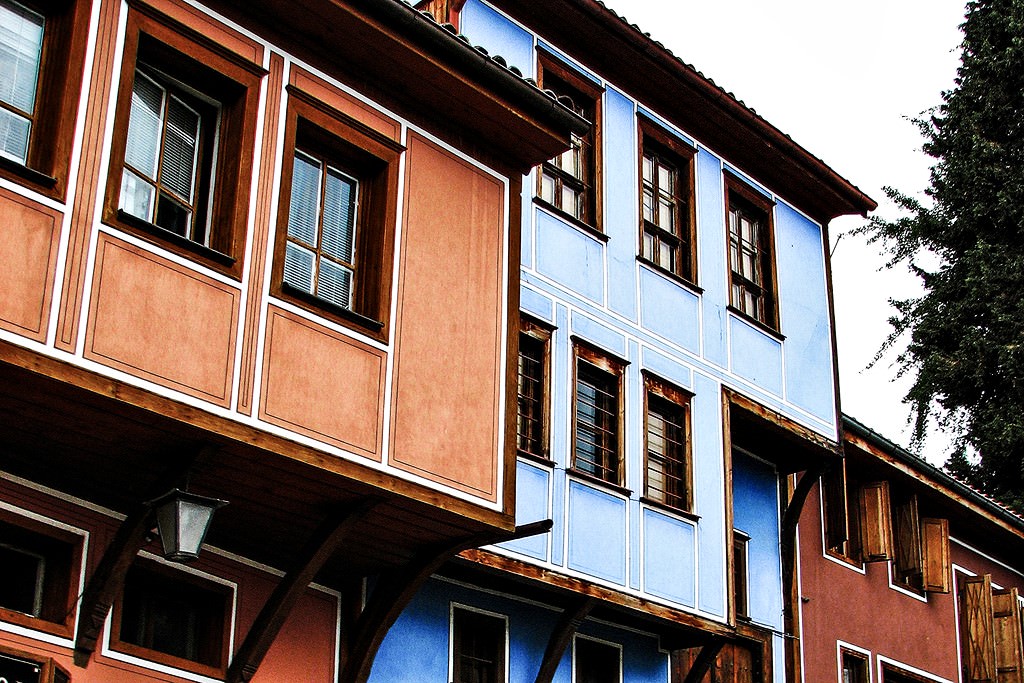
 Plovdiv is an attractive modern city that has managed to keep its fantastic historical charm and harmonious atmosphere. It’s a great place for all tourists who enjoy walking on old streets and exploring architectural landmarks. As the city is very old, many streets of the historical center are pedestrian only. Street Prince Alexander I is the main pedestrian street in Plovdiv. It’s a great place to see magnificent buildings of the 19th century. Many of these buildings are now occupied by popular restaurants and souvenir shops.
It will take more than one day to visit all historical landmarks and cultural centers of Plovdiv. The Old Town is the traditional location of numerous places of interest that all guests of … Open
Open
 Acquaintance with the national cuisine is a great way to make your vacation in Plovdiv even more exciting. At the resort, there are many restaurants that specialize in Bulgarian cuisine. Meat dishes and dairy products make up the basis of the national cuisine. Only here vacationers can try an unusual soup that has fermented milk as its main ingredient. Fans of hearty meat dishes will be pleased with the choice of various sausages in local cafes and restaurants. Don’t forget to try local smoked ham as it has a truly amazing taste.
There is a large variety of entertainment in Plovdiv. If you come to the city in the hot summer, be sure to visit Aqualand Water Park. You can swim and relax in Aqualand, as well as get a … Open
Open

This guide to iconic landmarks and sights of Plovdiv is protected by the copyright law. You can re-publish this content with mandatory attribution: direct and active hyperlink to www.orangesmile.com.
City tours, excursions and tickets in Plovdiv and surroundings
Reference information
Map of all parks

National and city parks around Plovdiv
♥ National Park 'Centralen Balkan' , 66.4 km from the center. On the map
Photo

♥ National Park 'Ethniko Parko Oroseiras Rodopis' , 90.4 km from the center. On the map
Photo
♥ Nature Park 'Bulgarka' , 94.5 km from the center. On the map
Photo
♥ National Park 'Rila' , 96.4 km from the center. On the map
Photo
♥ Nature Park 'Vrachanski balkan' , 155.5 km from the center. On the map
Photo
Sights around Plovdiv from our guide 'Extreme places on Earth'
Skull Rhodope
From the series “Most Curious Artifacts of Extraterrestrial Origin”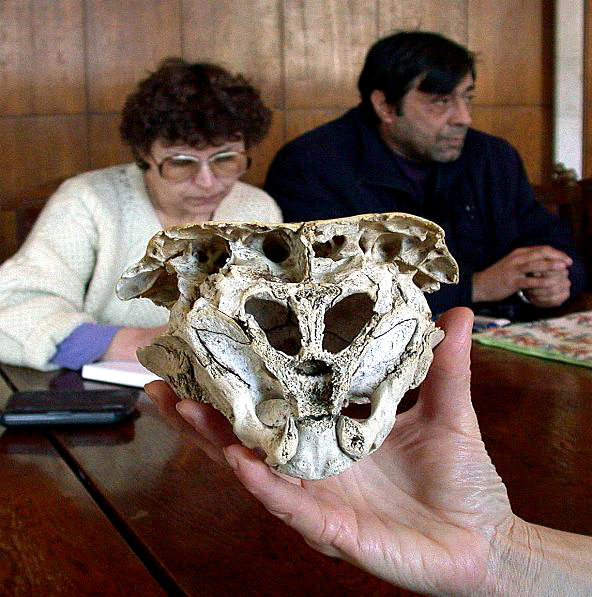
Check on the map: Distance from Plovdiv center - 69.1 km.
The researches of the found artefact had already ended 2002 for unknown reasons. The scientists have not found any evidence of the earth's origin of the skull. The Rhdopen skull is one of the few known artifacts, whose extraterrestrial origin is not a source of doubt among scientists from different countries. Roman Gentschev is the owner of the unique artifact and does not want to sell it at any price and for no price. The proposals to sell the skull, he has since the first days after publication of its history in the mass media. …
Read further Distance from Plovdiv center - 69.1 km.
Plovdiv
From the series “Remains of the First Ancient Cities”
Check on the map: Distance from Plovdiv center - 6.6 km.
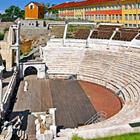
Ruins of residential and public buildings are also preserved in the historic district as well. It was possible to almost completely restore the ancient theater in recent years. About 3,000 spectators can be accommodated in it today. The theater is regularly used for various festivals and cultural events. Fragments of the old fortress wall are also preserved in Plovdiv. It was built by the Thracians. Guests of the city will be able to see historic buildings of various eras. Many medieval buildings have survived. Mosques are also preserved here. They were built in the early 15th century. The historic district has autonomous status today. It is a huge open-air museum. …
Read further Distance from Plovdiv center - 6.6 km.
Car rental on OrangeSmile.com


Thailand Relaxes Its COVID-19 Policy
New Year events in Thailand are likely to bring more people this year because everyone is tired of lockdowns and craving normal life. Many tourists, who book hotels in Pattaya, Krabi, or Phuket for the holiday season, also want to participate. As champagne has become an essential drink for New Year celebrations, the question regarding alcohol consumption comes to mind. The government allowed serving alcoholic drinks during the New Year countdown but only open-air cafes and restaurants with good ventilation will be permitted to do this until 1 am on 1 January 2022. This rule is nationwide. Read this
25.04.2024
New Year events in Thailand are likely to bring more people this year because everyone is tired of lockdowns and craving normal life. Many tourists, who book hotels in Pattaya, Krabi, or Phuket for the holiday season, also want to participate. As champagne has become an essential drink for New Year celebrations, the question regarding alcohol consumption comes to mind. The government allowed serving alcoholic drinks during the New Year countdown but only open-air cafes and restaurants with good ventilation will be permitted to do this until 1 am on 1 January 2022. This rule is nationwide.
 Read this
25.04.2024
Search touristic sites on the map of Plovdiv
 All about Plovdiv, Bulgaria - sightseeings, attractions, touristic spots, architecture, history, culture and cuisine. Prepare your trip together with OrangeSmile.com - find out the 'must see' things in Plovdiv, which places to visit, which excursions to take, where the breathtaking views are waiting for you. Planning your trip with this travel guide will help your to get the most out of Plovdiv in few days.